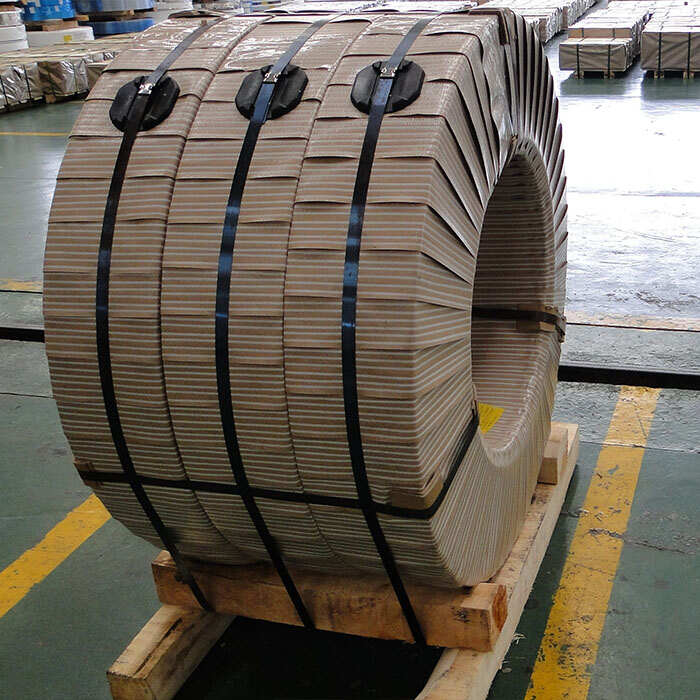
Stainless steel coil is everywhere—appliances, architectural trims, automotive components, food equipment, HVAC, and precision stamped parts. Yet many purchases go sideways for the same reasons: the grade doesn’t match the environment, thickness tolerance isn’t consistent across the coil, surface quality varies, or the coil arrives with flatness issues that slow your line down.
This article breaks stainless steel coil into decisions you can actually control: selecting a grade based on corrosion and forming needs, specifying the right finish and edge, verifying key tolerances and inspection points, and planning storage and processing so the material behaves the way you expect. You’ll also find a simple quality checklist, a comparison table of common grades, and a FAQ designed to reduce back-and-forth during ordering.
If you’ve ever felt like stainless steel coil is “the same on paper but different on the shop floor,” you’re not imagining it. The following issues are the usual culprits behind scrap, slowdowns, and rework:
Bottom line: the best stainless steel coil order is the one that arrives with the right grade, the right mechanical behavior, and the right surface—so it runs cleanly through your process with minimal babysitting.
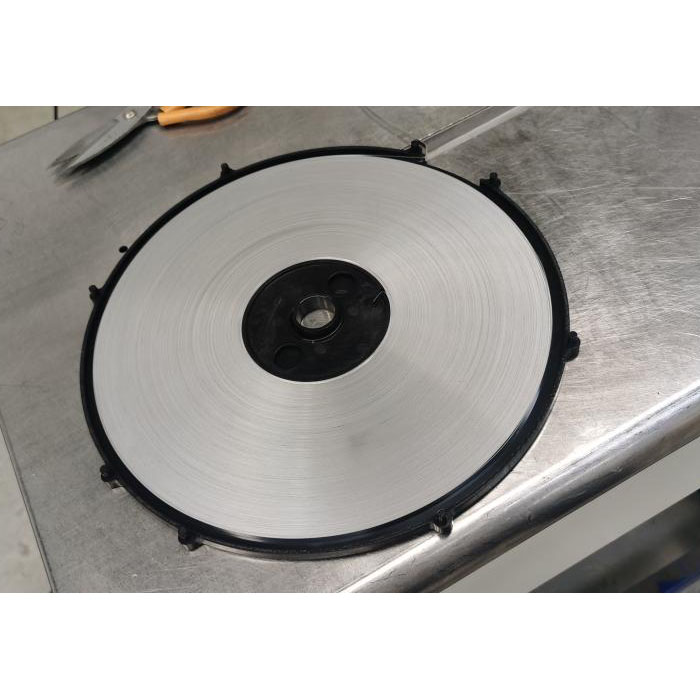
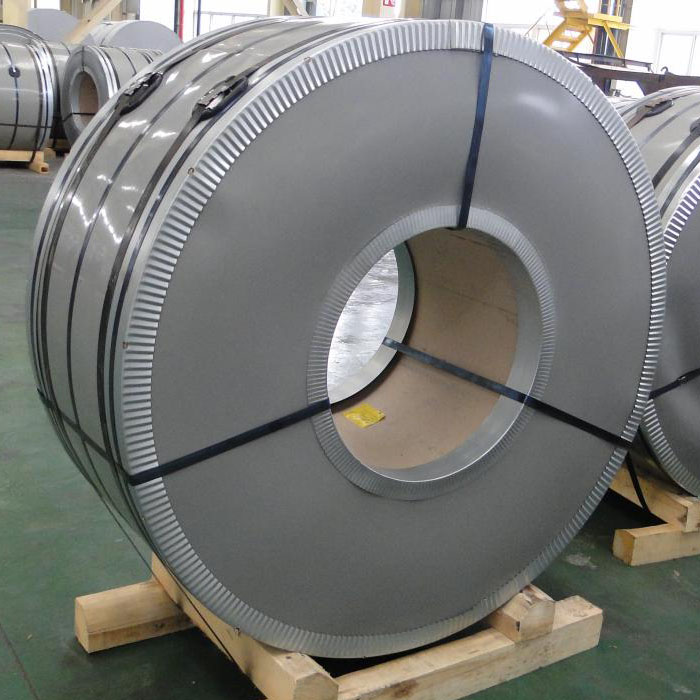
“Stainless steel coil” describes the delivery form—stainless steel rolled into a coil for efficient transport and continuous processing. But the performance you care about comes from details that often get abbreviated in quotes.
A complete coil specification typically includes:
Think of coil as a “system input” to your production line. When you define the inputs precisely, output quality becomes predictable.
Most grade selection problems come from one assumption: that stainless is automatically “rust-proof.” In reality, stainless resists corrosion because it forms a protective surface film, and that film can be attacked by certain environments—especially chlorides (salt), stagnant moisture, and harsh cleaners.
| Grade (Typical) | Best For | Corrosion Notes | Forming & Fabrication | Common Applications |
|---|---|---|---|---|
| 304 | General-purpose stainless for indoor/outdoor mild exposure | Good overall resistance; not ideal for coastal or chloride-heavy conditions | Excellent forming; widely used for stamping and bending | Kitchen equipment, trims, tanks, general fabrication |
| 316 | Higher corrosion resistance in aggressive environments | Better resistance to chlorides and chemical exposure compared with 304 | Good forming; slightly different tooling behavior than 304 | Marine hardware, chemical processing, outdoor coastal parts |
| 430 | Cost-effective stainless for appearance and moderate corrosion needs | Suitable for many indoor uses; less corrosion resistance than 304/316 | Often good for forming; magnetic; behavior depends on thickness/temper | Appliance panels, decorative trims, interior components |
| 201 | Budget-friendly option for controlled environments | Works best in dry indoor settings; not recommended for high-corrosion exposure | Forming depends heavily on temper and process setup | Indoor decorative parts, low-exposure components |
Here’s a simple way to decide without overcomplicating it:
Procurement shortcut: always state the service environment (indoor/outdoor, coastal, chemical exposure, cleaning routine). It’s the fastest way to avoid “wrong grade” disputes later.
Finish isn’t just cosmetic. It influences scratch visibility, cleanability, and how your part looks after bending, stamping, or polishing.
Edge condition affects safety and assembly:
Protective film sounds optional until you start rejecting parts for scratches. If you stamp, roll-form, or laser-cut visible surfaces, specify film type, adhesive strength, and which side is protected. Also confirm whether the film must be removable after storage without residue.
Two coils can share the same nominal thickness and still behave differently on your line. To reduce variability, consider adding these to your RFQ:
If your process is sensitive—high-speed stamping, tight roll-forming profiles, visible cosmetic panels—these details typically pay for themselves in fewer stoppages and less sorting.
A quick incoming check can catch problems before they multiply into hours of downtime. Here’s a practical checklist you can run in minutes:
Small habit, big payoff: keep a photo record of the first 2–3 meters (or yards) of every coil. If something is wrong, you can show it quickly and resolve it faster.
Stainless steel coil rewards clean, consistent processing. If you want fewer tool marks and a more stable line, these tactics help:
If you’re doing precision work, consider testing a small trial coil under real production settings. A short trial can reveal issues that lab samples never show—feeding behavior, tool wear, and surface sensitivity.
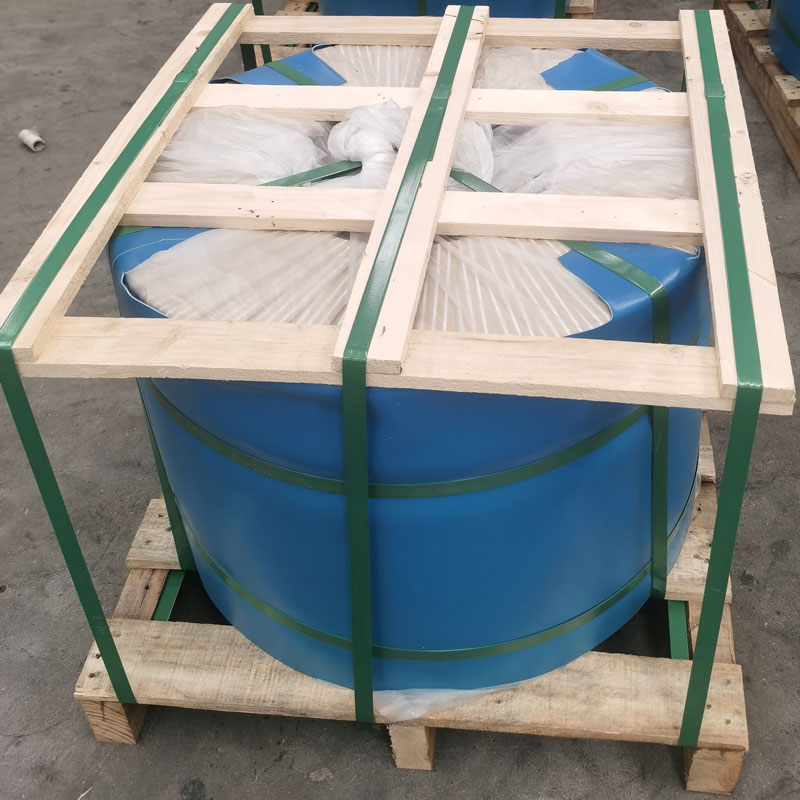
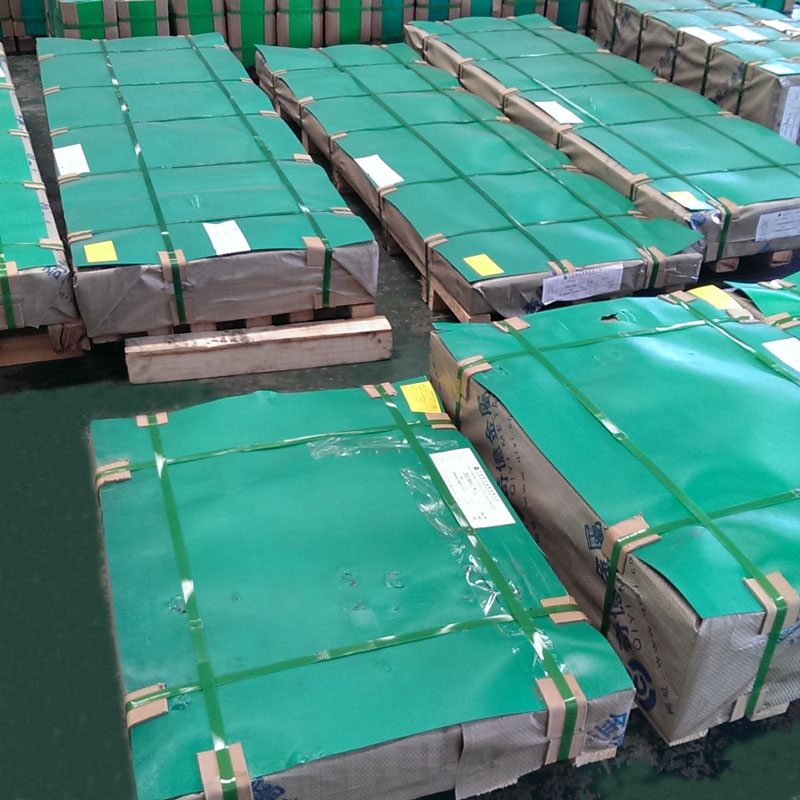
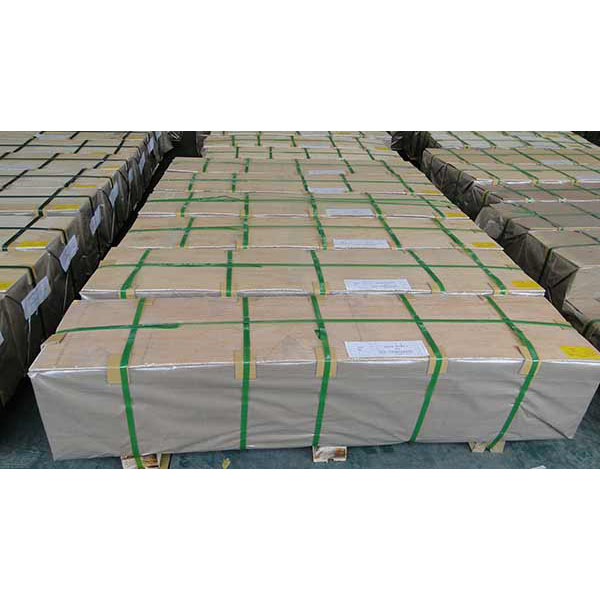
Many “material defects” are actually damage during handling or storage. Stainless can stain if moisture is trapped in packaging, and visible finishes can scratch if coils are moved without protection.
A reliable supplier doesn’t just ship coil—they help you lock down the right specification, reduce variability, and keep documentation clean. When you request a quote, sending a clear, complete RFQ is the fastest way to get an accurate offer.
If you need stainless steel coil for stamping, roll-forming, fabrication, or visible panels, Ningbo Qihong Stainless Steel Co., Ltd. can support a range of grades, finishes, and coil specifications suited to different manufacturing needs. The practical advantage of working with a specialized supplier is consistency: repeatable surface quality, predictable mechanical behavior, and traceable coil identification that matches your quality system.
RFQ essentials to include: grade, thickness, width, finish, temper/hardness, edge type, film requirement (yes/no + which side), coil ID/OD, max coil weight, and intended use environment.
Q: Can stainless steel coil be used outdoors without rusting?
A: It depends on the environment and grade. Mild outdoor exposure may be fine with common grades, but coastal air, road salt, and harsh cleaners can trigger staining or pitting. If chlorides are involved, consider higher corrosion resistance options and specify surface finish and maintenance routine.
Q: What causes coil set and feeding problems?
A: Coil set can come from the coiling process, thickness, temper, and storage. Feeding issues often appear when flatness isn’t controlled or when the decoiler/leveler setup doesn’t match coil ID, thickness, and yield strength.
Q: Which finish should I choose for visible panels?
A: Brushed finishes are popular for visible surfaces because they hide minor handling marks better than mirror-like surfaces. If appearance is critical, protective film and careful handling are just as important as the finish itself.
Q: Why do parts crack during bending if the grade is correct?
A: Cracking is often linked to temper/hardness, bend radius severity, grain direction, or tooling condition. Confirm elongation and hardness targets and test under real forming conditions to match the coil to your geometry.
Q: What information should be printed on the coil label?
A: At minimum: grade, thickness, width, coil number, heat number, net weight, and finish. Clear labeling supports traceability and reduces mix-ups when multiple coils are staged for production.
Q: Is protective film always necessary?
A: Not always. If the surface won’t be visible or is heavily processed, film may be optional. For visible panels, brushed surfaces, or parts that must look clean out of the box, film often prevents expensive cosmetic rejects.
If your goal is simple—fewer defects, smoother feeding, and a finish you can confidently ship—start by defining your environment, forming requirements, and surface expectations. Once those are clear, stainless steel coil becomes a reliable input instead of a recurring headache.
Tell Ningbo Qihong Stainless Steel Co., Ltd. your grade, thickness, width, finish, and intended application, and you’ll get a quote that matches how you actually manufacture—not just a line item on a spreadsheet. Ready to reduce downtime and scrap on your next order? Contact us today to discuss your stainless steel coil requirements and request a fast, practical quotation.
No.2288 Jiangnan Road, ningbo High-tech Zone, zhejiang