News

Why Is the Stainless Steel Spring Strip Coil Such a Critical Material for Modern Manufacturing

2026-03-26 0 Leave me a message

Article Summary: Learn why the Stainless Steel Spring Strip Coil is rapidly becoming an indispensable material across industries like electronics, automotive, aerospace, and medical devices. This comprehensive guide dives into material properties, manufacturing processes, practical applications, selection criteria, and answers frequently asked questions — all structured for clarity, SEO performance, and real‑world insight.

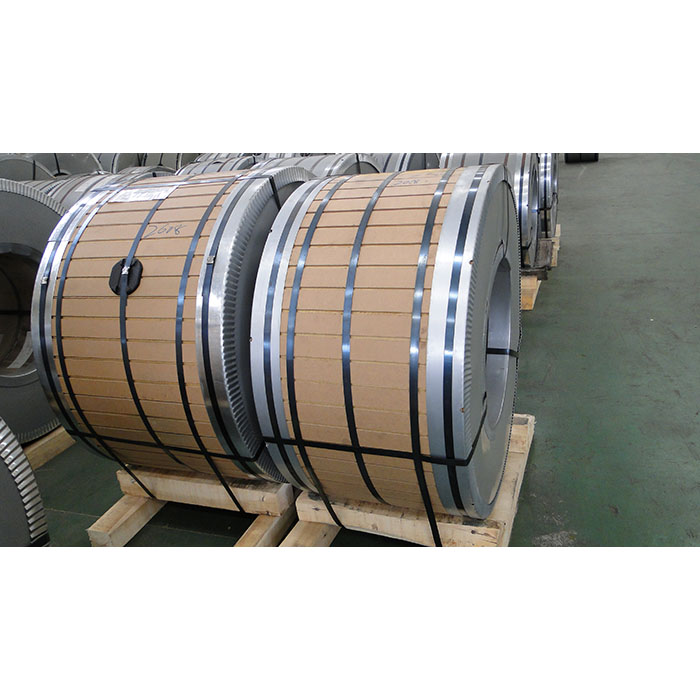
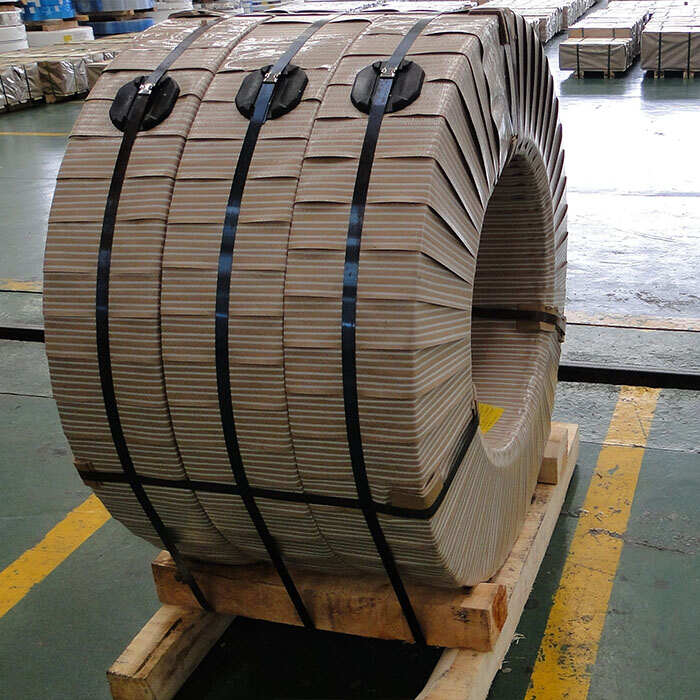
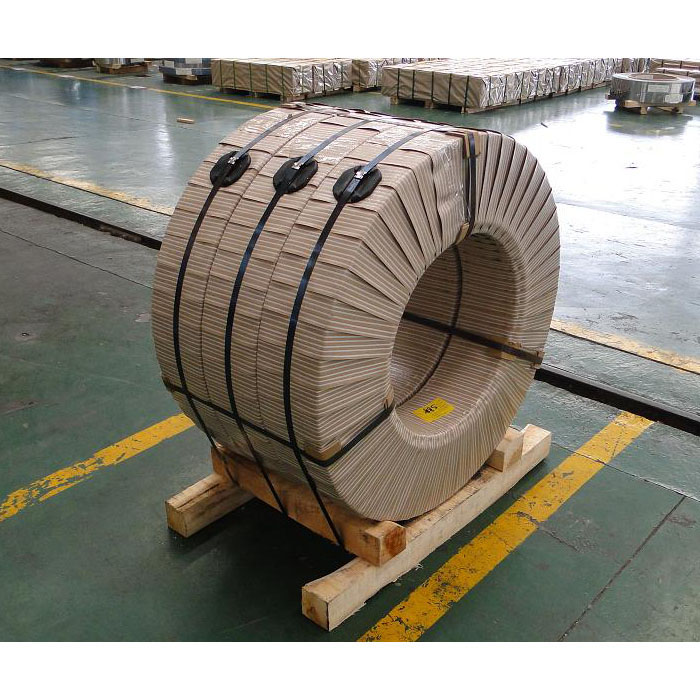
Stainless Steel Spring Strip Coil

Table of Contents


What Is a Stainless Steel Spring Strip Coil?

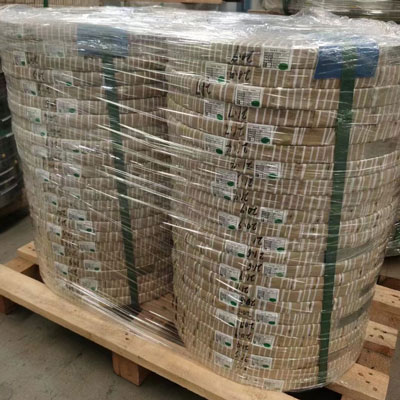
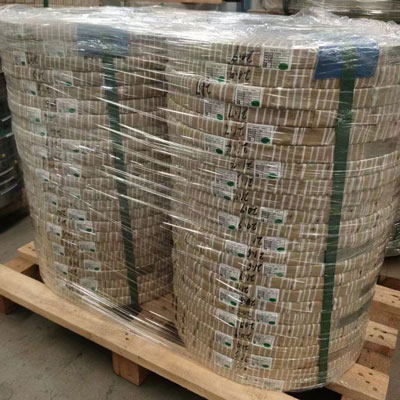
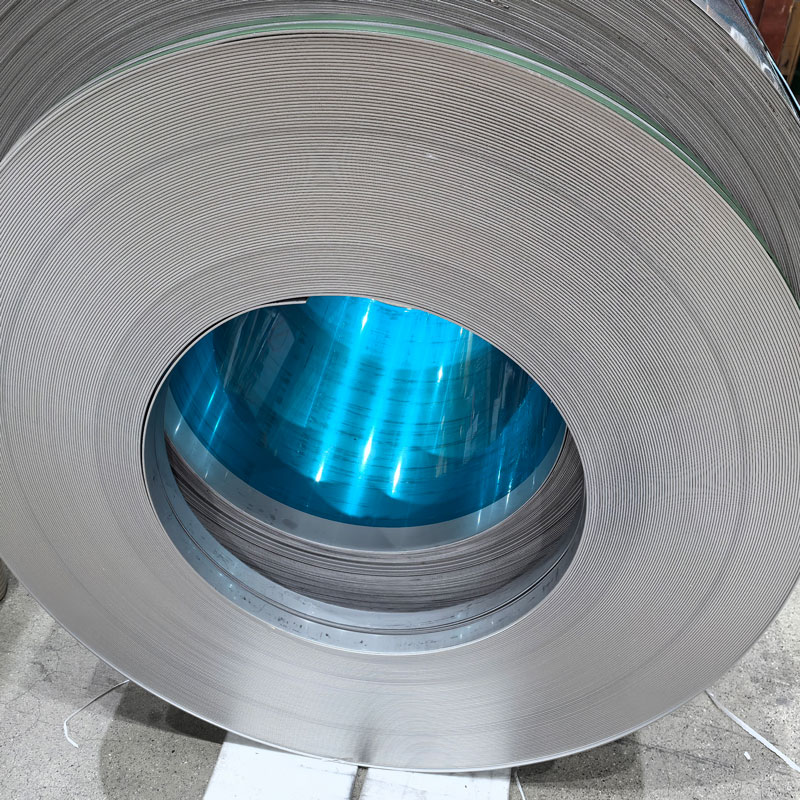
A Stainless Steel Spring Strip Coil is a continuous, elongated steel material specially processed to provide superior elasticity, corrosion resistance, and fatigue strength. It forms the backbone of precision elastic components such as springs, clips, contacts, and flexible elements used in multiple industries.

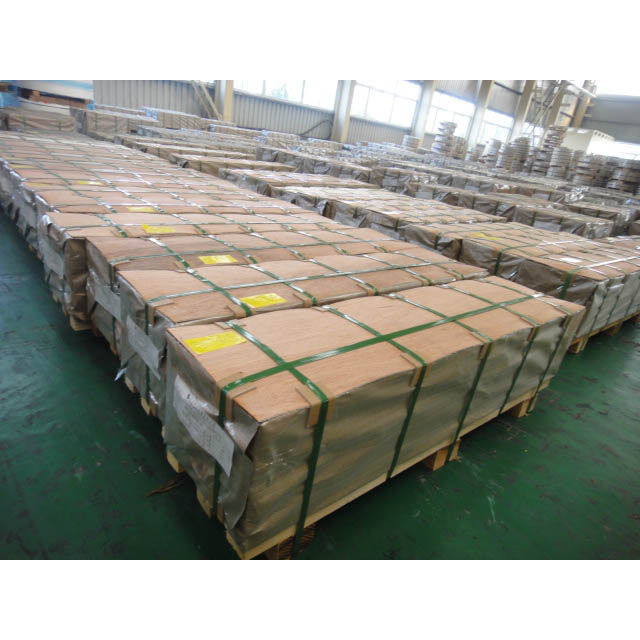
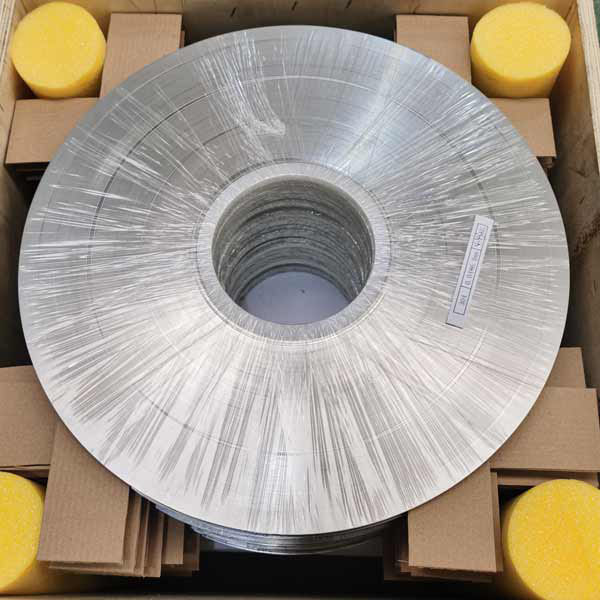
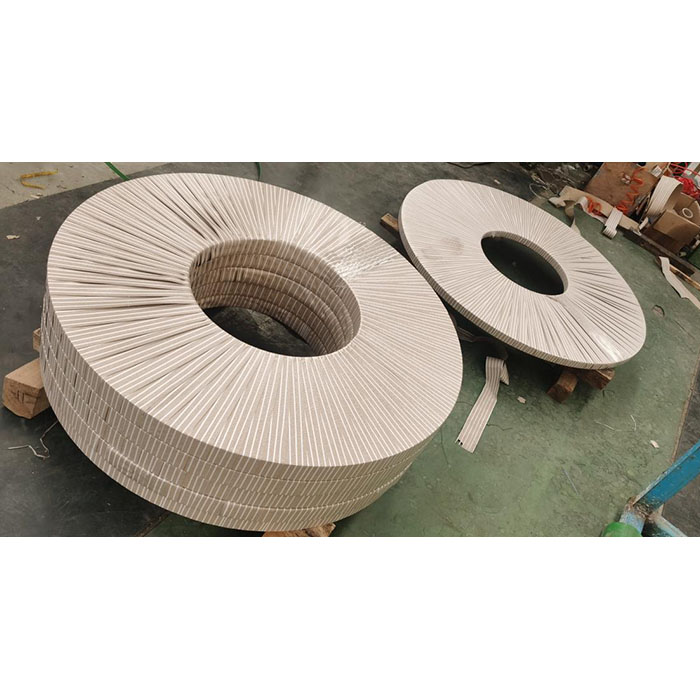
Produced in coil form, these strips can be slit, cut, and shaped to precise dimensions, offering a balance of strength and flexibility that raw sheets or bars can’t match.


Key Features and Material Properties

Property Description
Material Grades 201, 301, 304, 316L, 420, 430, 440, 631, 904L, etc. (wide range for custom applications)
Thickness Range 0.03 mm – 3.0 mm
Width Range 3 mm – 600 mm
Hardness 1/2H – SH (Half‑Hard to Super‑Hard)
Surface Finish Options 2B, BA, Mirror, HL
Applicable Standards ASTM A666, JIS G4313, GB/T 3280
  • Elasticity & Fatigue Resistance: Designed for repeated flexing without deformation — vital for spring components.
  • Corrosion Resistance: Stainless steel forms a passive oxide layer, boosting longevity in harsh environments.
  • Workability: Ideal for stamping and automated production due to predictable deformation behavior.

Manufacturing Process of Spring Strip Coils

The production of spring strip coils typically follows precision cold rolling, annealing, leveling, and cutting processes. A combination of advanced equipment and stringent quality control ensures dimensional accuracy and material consistency.

  1. Raw Material Selection: Choosing the right stainless steel grade based on performance requirements.
  2. Rolling: Cold or hot rolling to achieve desired thickness and mechanical properties.
  3. Annealing & Stress Relief: Reduces internal stresses for consistent performance.
  4. Precision Slitting: Converts coils into strip widths tailored to customer needs.
  5. Finishing: Surface treatments such as polishing or bright annealing for specific applications.

Industrial and Commercial Applications

Stainless steel spring strip coils serve as essential raw materials for elastic and load‑bearing components across many sectors, including:

  • Automotive: Seat adjusters, hood supports, and vibration damping elements.
  • Electronics: Connectors, spring contacts, and shielding elements.
  • Aerospace: Precision springs and control systems where performance and weight are critical.
  • Medical Devices: Reliable elements in surgical tools and implantable devices.
  • Industrial Machinery: Load‑bearing and resilient components in automated systems.

How to Select the Right Coil for Your Needs

Choosing the right stainless steel spring strip coil depends on several factors:

Factor Consideration
Material Grade Match grade with corrosion resistance and mechanical needs.
Hardness Level Higher hardness for wear resistance, lower hardness for elasticity.
Surface Finish Choose based on environmental exposure and aesthetic requirements.
Precision Requirements Tighter tolerances for precision components.

Advantages and Limitations

  • Durability & Longevity: Stainless coil materials resist corrosion and wear.
  • Flexibility in Manufacturing: Works well in automated lines with minimal defects.
  • Wide Availability: Options from 200 to 400 series steels for tailored performance.
  • Limitations: Higher cost compared to basic carbon steels, and specific tempering might be required for highest elasticity.

Frequently Asked Questions (FAQ)

What grades of stainless steel are commonly used for spring strip coils?

Typical grades include 301, 304, 316L, and specialized materials like 420 and 631, chosen for their balance of elasticity, corrosion resistance, and mechanical strength.

How is the hardness level determined?

Hardness is controlled through cold work and thermal processing, affecting fatigue life and stiffness for specific applications.

Can customized sizes be produced?

Yes — modern manufacturing processes support precise custom thicknesses, widths, and surface finishes to match engineering needs.

Are these coils suitable for high‑temperature environments?

Certain grades (e.g., 316L or specialty alloys) perform better under elevated temperatures, though material selection should be made according to specific service conditions.


Conclusion & Contact

The Stainless Steel Spring Strip Coil is more than just a raw material — it’s a foundation for modern precision engineering. From automotive safety systems to high‑reliability medical devices, this versatile coil material ensures performance, durability, and stability. If you’re looking for high quality and custom solutions, Qihong offers a broad range of stainless spring strip coil options backed by rigorous standards and expert support.

For tailored material solutions that match your exact engineering requirements, contact us and discover how Qihong can support your next project with precision materials and dedicated service.

Related News
Leave me a message
X
We use cookies to offer you a better browsing experience, analyze site traffic and personalize content. By using this site, you agree to our use of cookies. Privacy Policy
Reject Accept