Products
High Strength Stainless Steel Foil
  • High Strength Stainless Steel FoilHigh Strength Stainless Steel Foil
  • High Strength Stainless Steel FoilHigh Strength Stainless Steel Foil
  • High Strength Stainless Steel FoilHigh Strength Stainless Steel Foil
  • High Strength Stainless Steel FoilHigh Strength Stainless Steel Foil
  • High Strength Stainless Steel FoilHigh Strength Stainless Steel Foil

High Strength Stainless Steel Foil

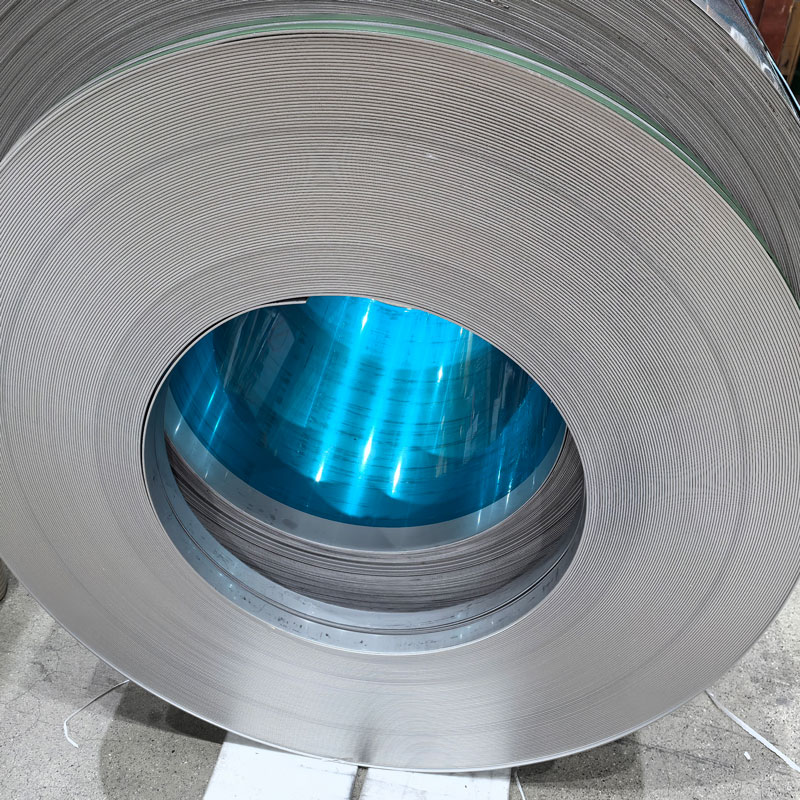
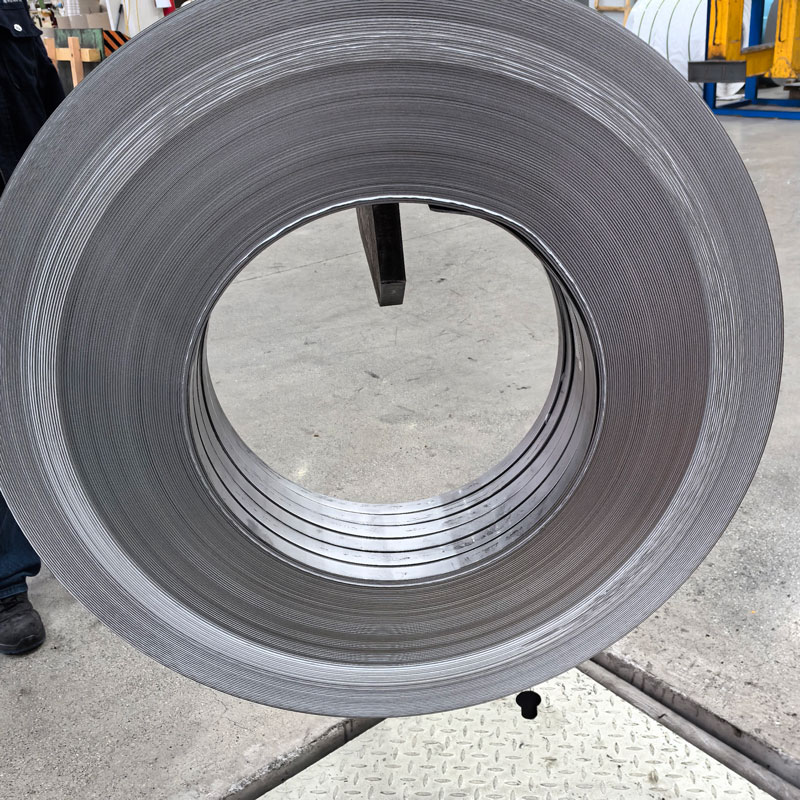
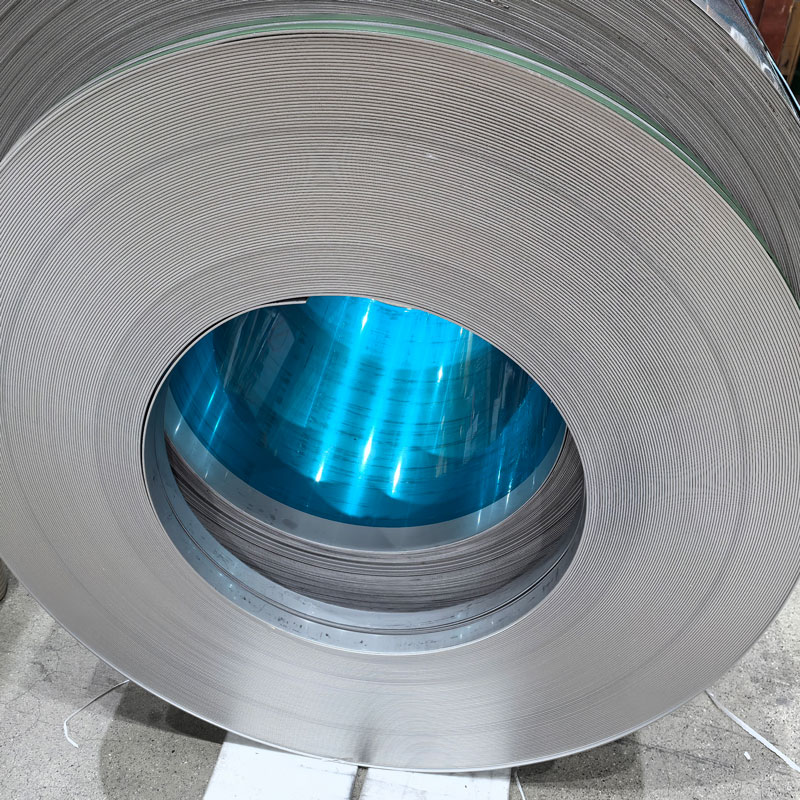
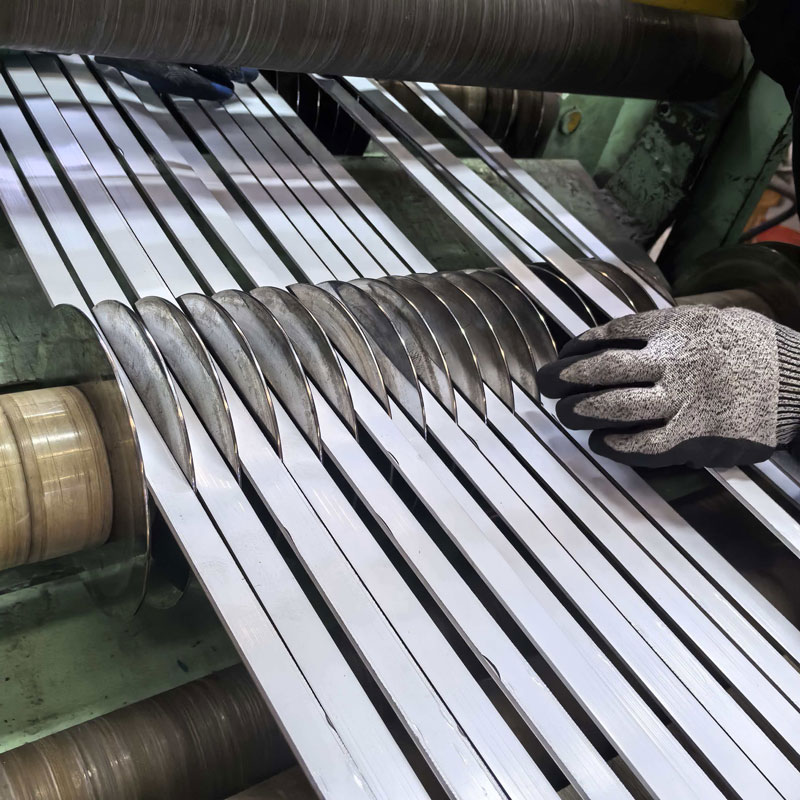
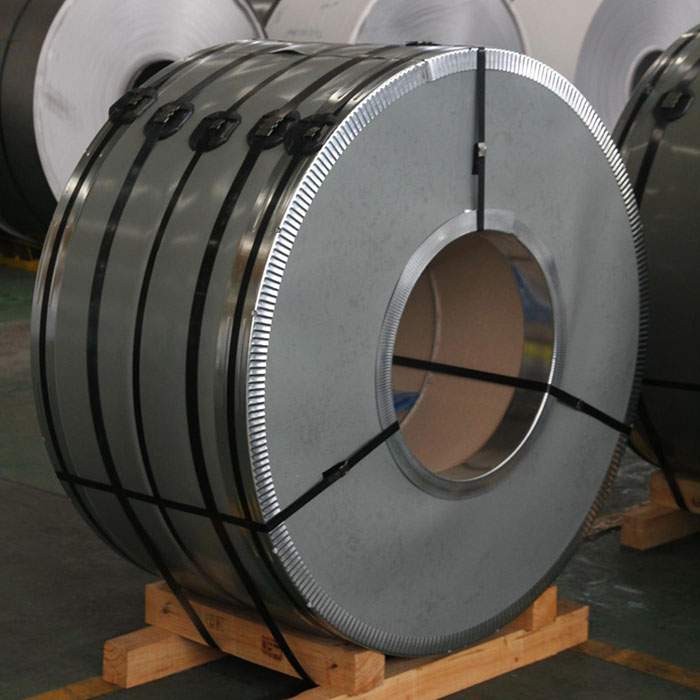
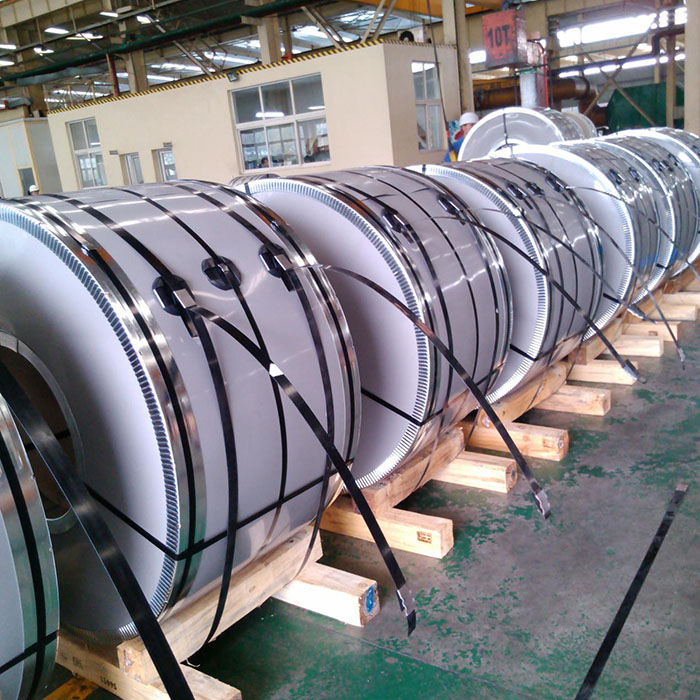
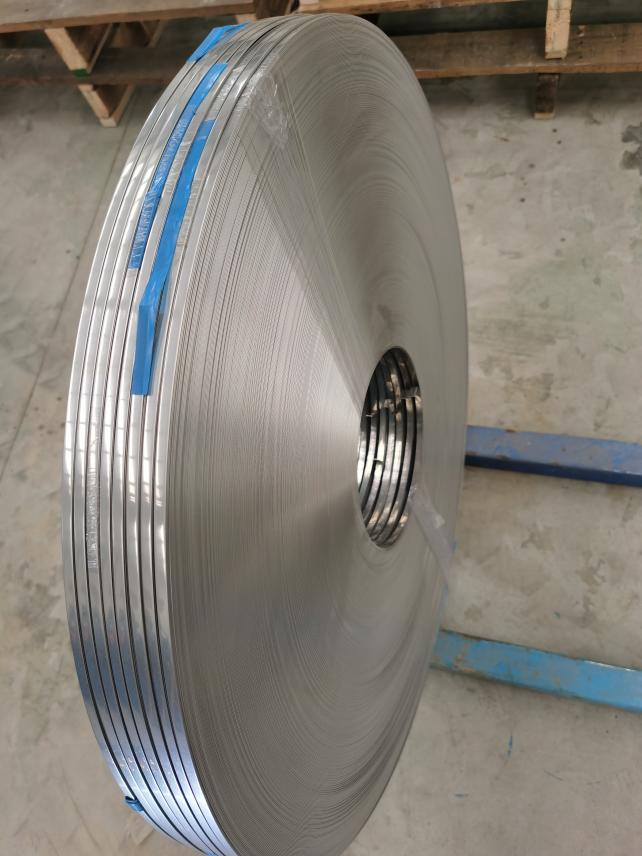
High Strength Stainless Steel Foil from Qihong covers 301, 304 and 316L in 0.01-0.30 mm thickness and 1.5-600 mm slit width, in 1/2H to H temper for springs and shielding. The Ningbo manufacturer rolls and slits in house, with a test certificate on every batch.

Most spring, contact and diaphragm parts fail for a reason that has nothing to do with the alloy: the strip arrived soft when the drawing called for hard. High Strength Stainless Steel Foil from Qihong is cold rolled and temper rolled in Ningbo, China, then supplied in 301, 304 and 316L from 0.01 mm to 0.30 mm thick and 1.5 mm to 600 mm wide on the slit edge, so a stamper gets the same elastic recovery on the first coil and the two-hundredth.

  • Grade 301 / 304 / 316L / 631
  • Thickness 0.01 – 0.30 mm
  • Temper 1/2H – H
  • Width 1.5 – 600 mm
  • Tolerance ±0.0005 mm
  • Trial coil 5 – 20 kg

Strength by Design

In thin gauge, strength is a rolling decision rather than a melt decision. A 0.05 mm strip of 301 can leave the mill annealed and easy to form, or it can be rolled down through 1/2H, 3/4H and H and delivered already able to hold a shape. The second option is what most spring and contact makers actually need, and it is why this series is quoted by temper first and grade second.

  1. Yield strength rises well above the annealed condition, so a thinner section carries the same load and the finished component weighs less.
  2. Elastic recovery becomes repeatable, so the strip springs back to the same shape after every press stroke instead of creeping over a production run.
  3. Fatigue life improves under repeated bending, which is the duty a contact spring or reed strip is bought to survive.
  4. Flatness holds under tension, so narrow slit coils feed through high-speed presses without edge wandering or camber drift.

Pass schedule, rolling direction and annealing temperature are fixed per order rather than chosen from a stock list, so the mechanical properties qualified on a sample are the properties you receive in production. That is the whole point of ordering High Strength Stainless Steel Foil instead of a generic soft coil.

Grade and Temper

Grade sets corrosion resistance and magnetic behaviour; temper sets strength. Both have to be written on the order, and one does not substitute for the other.

  1. 301 — the workhorse for spring and contact parts. It gains the most strength from cold reduction, runs from 1/2H through H, and is routinely used for clips, springs, terminals and battery tabs.
  2. 304 — the general-purpose austenitic grade, supplied annealed through 1/2H for shims, gaskets, screens and shielding where corrosion resistance and non-magnetic behaviour matter more than peak strength.
  3. 316L — molybdenum bearing and low carbon. Chosen for chloride, chemical and medical contact and for welded assemblies where intergranular corrosion is the risk. Annealed tensile strength is specified at ≥520 MPa with ≥40% elongation.
  4. 631 (17-7PH) — precipitation hardening. For parts that must be formed in the soft condition and then aged to high strength without carrying the residual stress of heavy cold reduction.
  5. 201, 430 and 904L — also rolled on the same lines, for cost-driven, mildly corrosive and highly aggressive duties respectively.
Temper availability narrows as the gauge gets thinner. Below roughly 0.03 mm the hardest conditions become impractical to roll and to form, so those enquiries are quoted case by case rather than from a table.

Because grade and temper are quoted together, the useful input is your drawing's strength requirement and forming route — not a grade name on its own. That is how High Strength Stainless Steel Foil gets matched to a real press instead of an idealised datasheet.


Specifications

The ranges below are the mill's normal production window. If your part sits outside them, ask before you design around a tolerance that cannot be held.

Item Specification
Material grades 201, 301, 304, 316L, 430, 631, 904L
Thickness 0.01 – 0.30 mm (0.008 mm in selected grades and soft tempers)
Width 1.5 – 600 mm, slit to order; full width coil and cut-to-length sheet
Temper / hardness ANN, 1/4H, 1/2H, H (3/4H on request)
Thickness tolerance ±0.0005 mm on thin gauge, monitored by in-line micrometer
Width tolerance ±0.1 mm on slit edges
Surface finish BA bright, 2B, 8K mirror, brushed, matte
Delivery form Coil, narrow slit strip, oscillate-wound spool, cut sheet
Standards ASTM, AISI, GB, JIS, DIN, BS, EN
Certification ISO 9001 quality system, SGS; RoHS documentation on request
Minimum order 100 kg for standard 304 and 430; 5 – 20 kg trial coil
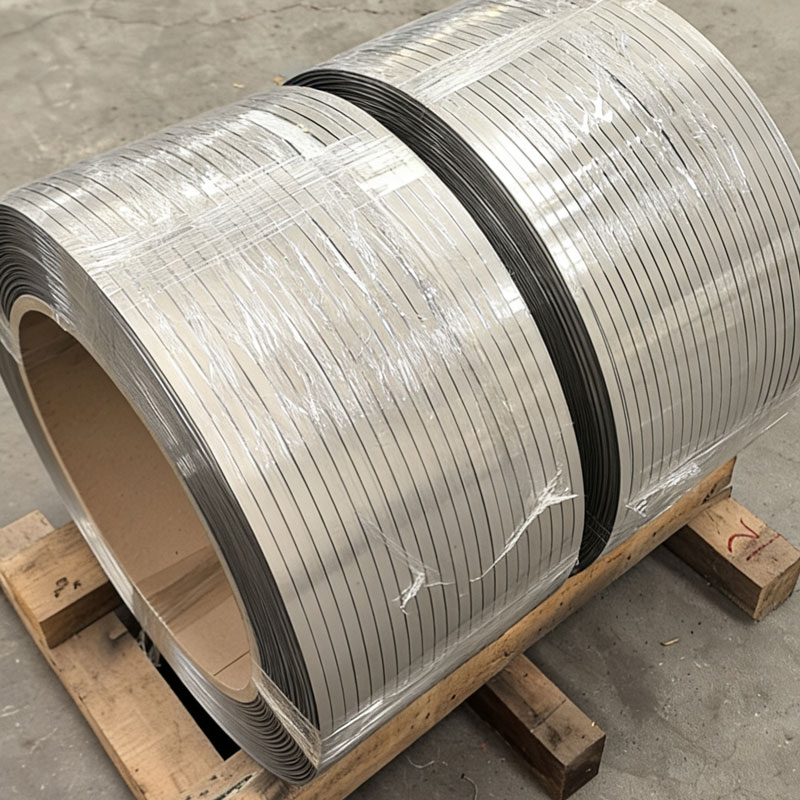
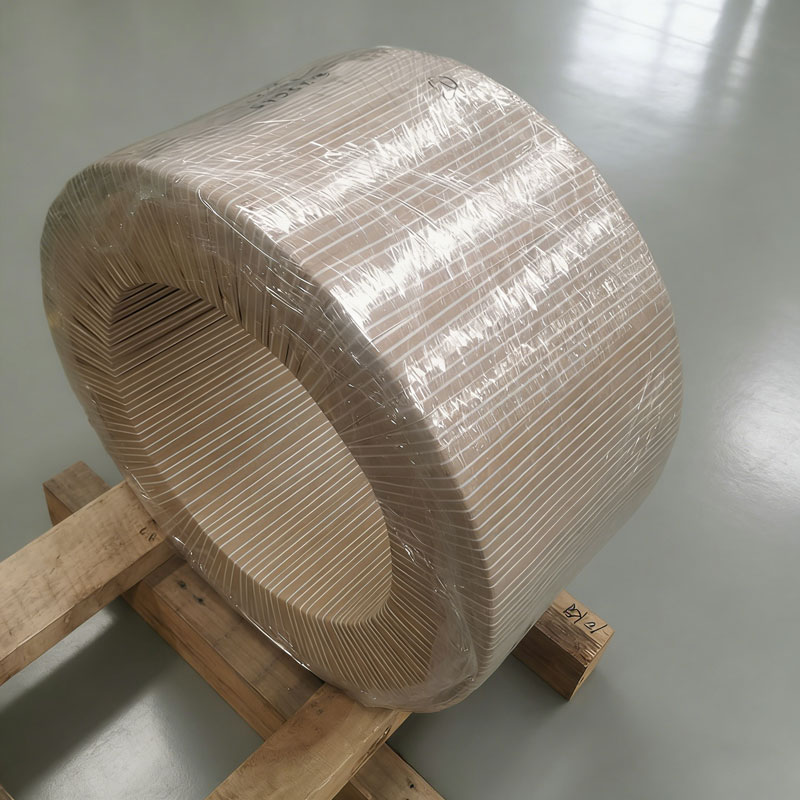
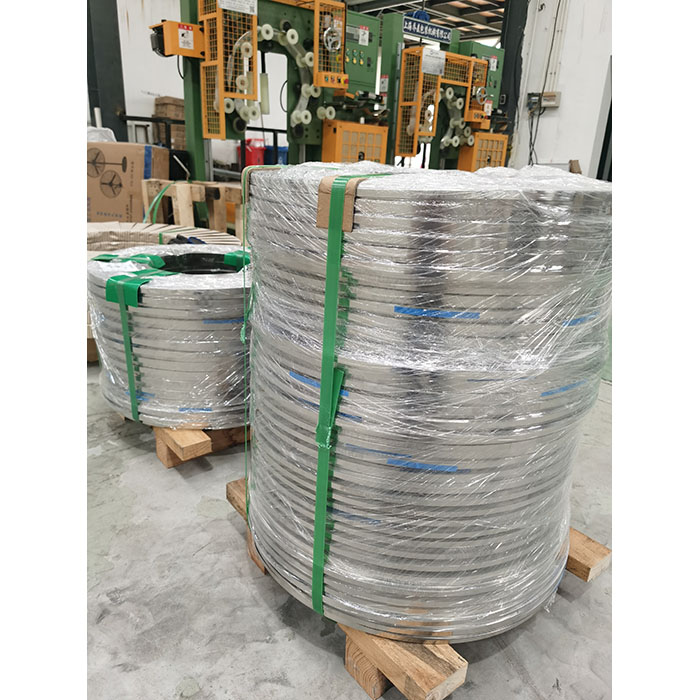
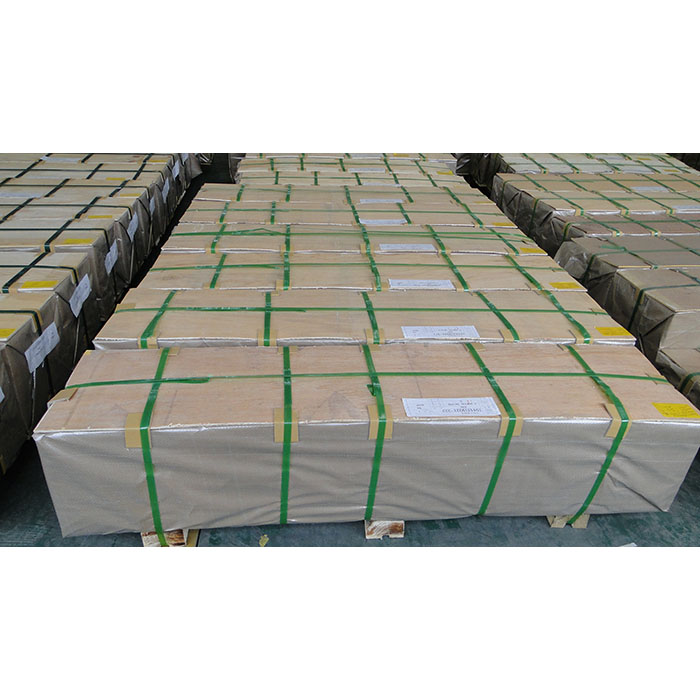
Packaging Moisture-proof paper, anti-scratch film, steel strapping, fumigated wooden pallet; vacuum packing optional
Grade and temper both move the achievable thickness window, so treat the table above as a starting point. Confirm the final specification against the drawing, the target bend radius and your press feed before ordering. Widths under 10 mm and hard tempers under 0.03 mm are quoted individually.

Every coil leaves the mill with a thickness and flatness record attached to the batch, so High Strength Stainless Steel Foil is ordered against measurable numbers rather than a visual impression of the surface.

Processing Support

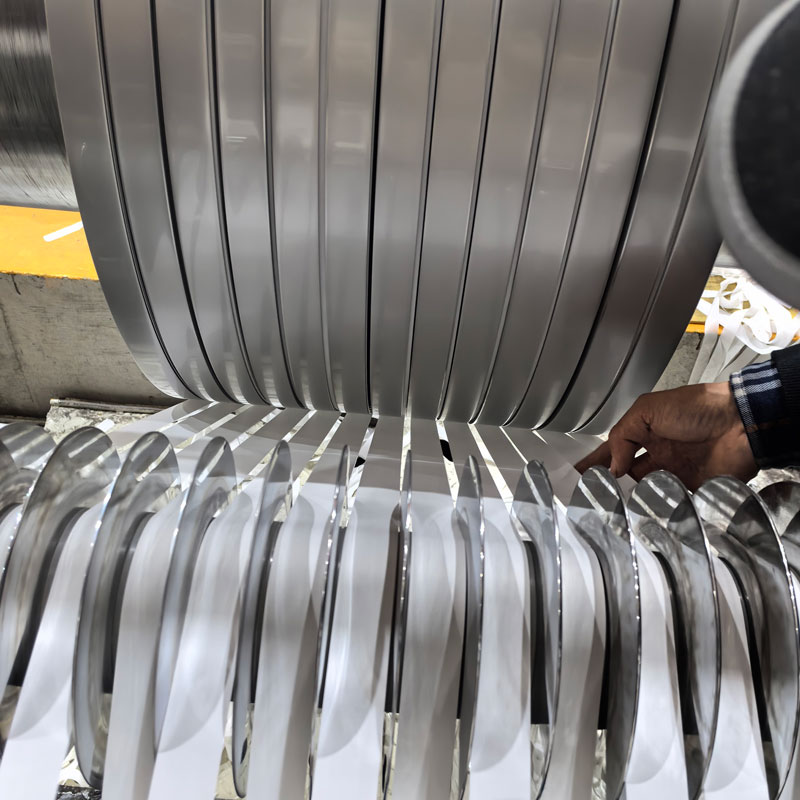
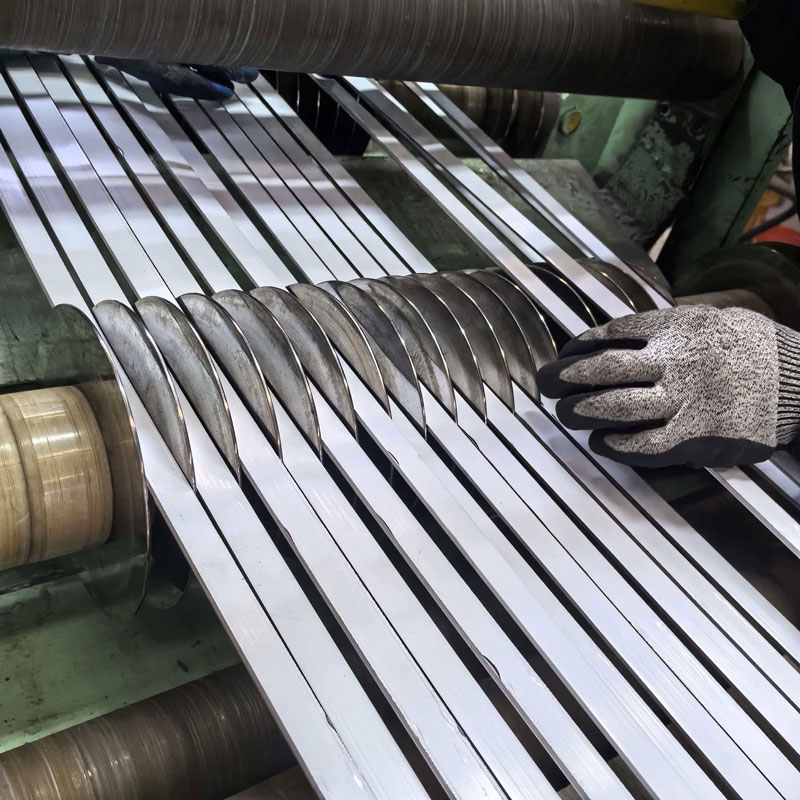
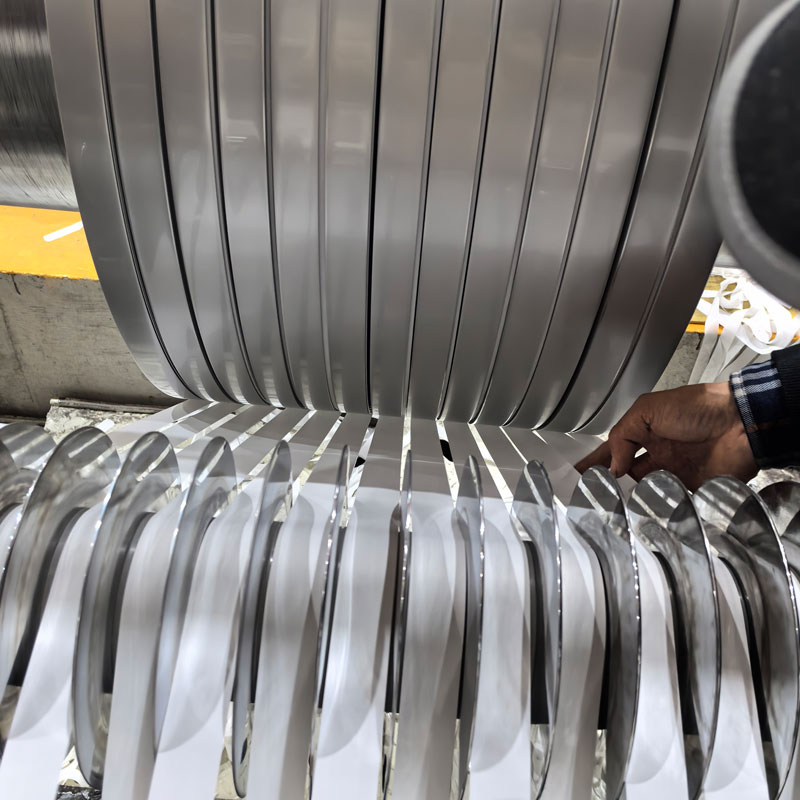
Material that arrives in the wrong width or the wrong edge condition costs more in scrap than it saves on price, so slitting and edge work are done in house rather than passed to a third party.

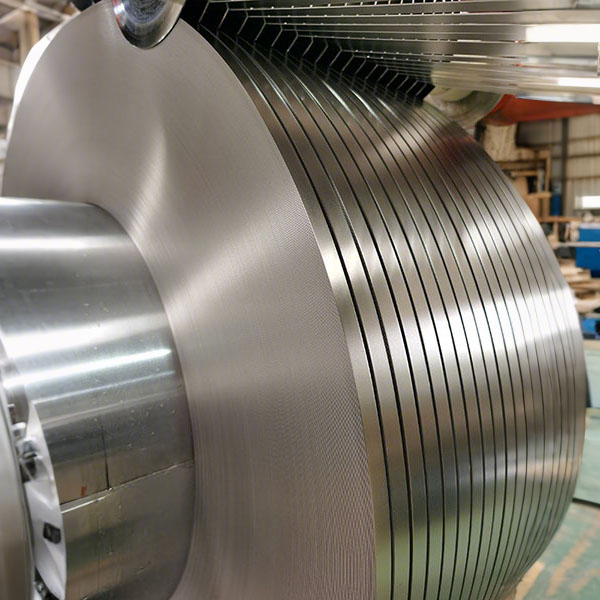
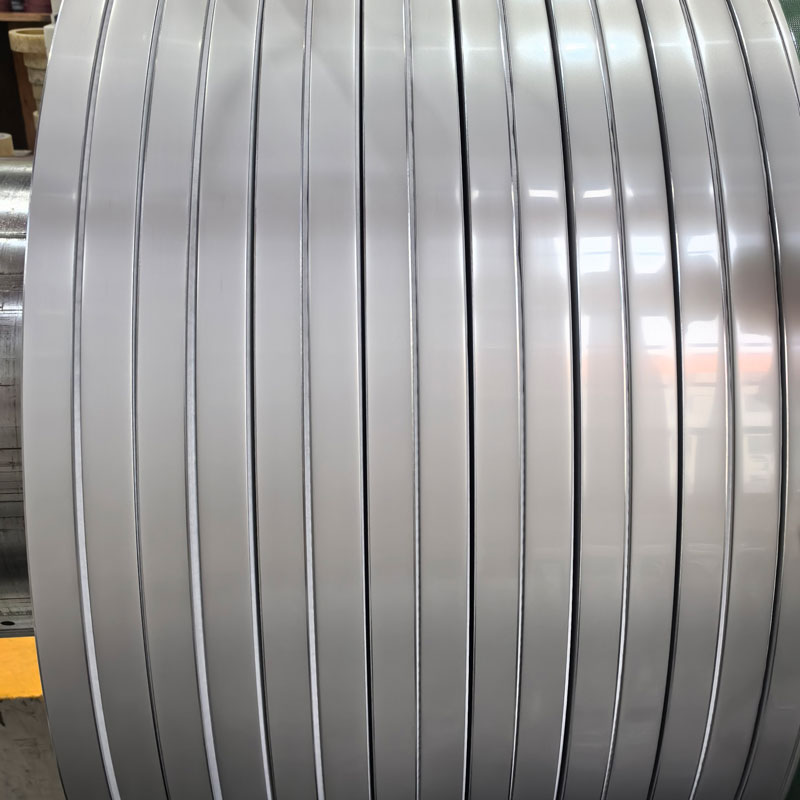
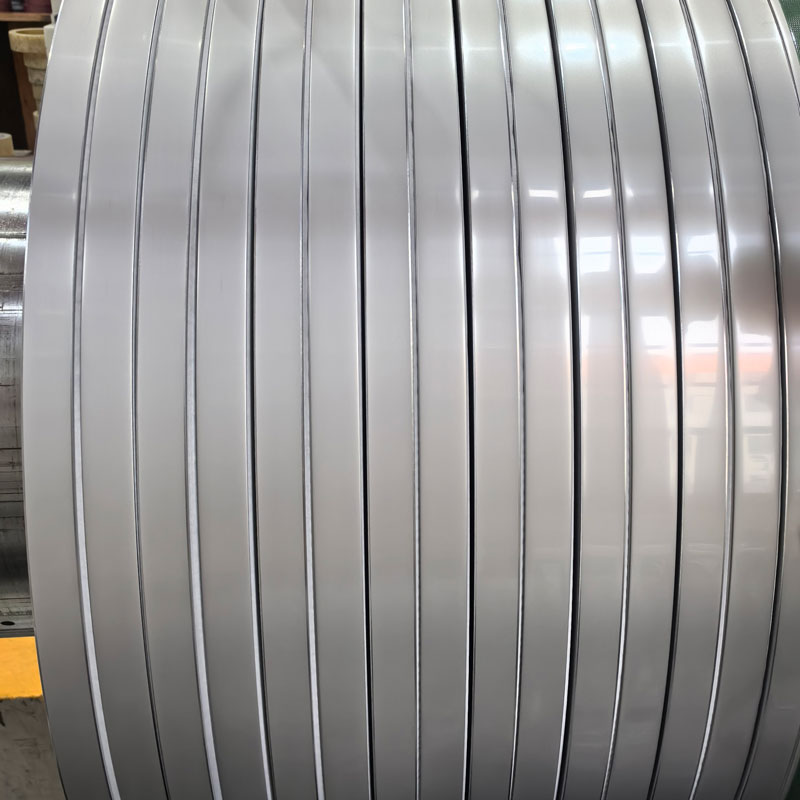
  1. Precision slitting down to 1.5 mm with burr-free edges, width and camber checked on the line.
  2. Shearing and cut-to-length sheet for stampers who do not run their own decoiler.
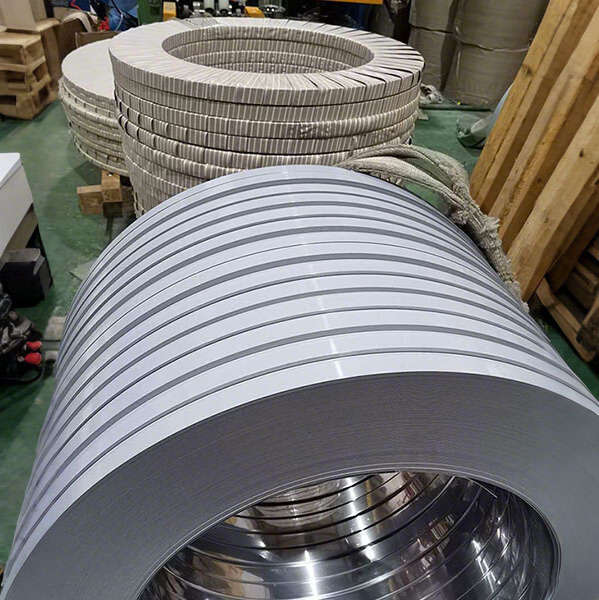
  3. Oscillate winding for long continuous lengths supplied on spool.
  4. Edge conditioning — slit, deburred or rounded — chosen to suit the feed system rather than offered as a fixed default.
  5. Surface finish and temper set to the order, not picked from a warehouse stock list.
  6. Trial coils of 5 – 20 kg so a press trial can be completed before any bulk commitment, run on the same schedule as the production order.

Rolling, annealing, slitting and testing sit in the same plant at Ningbo High-Tech Zone, which is why the width, temper and finish of the High Strength Stainless Steel Foil you receive match the order confirmation — a change is re-quoted rather than substituted quietly.

Where It Fits

Thin gauge, controlled temper and consistent flatness suit components where a soft strip would deform and a thicker sheet would not physically fit.

  1. Contact springs, clips, reed strips and connector terminals.
  2. Diaphragms, shims, gaskets and sealing discs.
  3. Battery tabs, current collectors and cell hardware in new energy assemblies.
  4. EMI shielding and light-blocking layers in precision electronics.
  5. Medical micro-components, sensor linings and surgical instrument parts.
  6. Heat shielding and lightweight structural wraps in aerospace and instrumentation.
Two cases are deliberately excluded. Deep-drawn three-dimensional parts that must stretch heavily during forming belong in annealed temper — a hard temper cracks instead of saving weight. And service in strong acid or chloride-heavy conditions should be moved from 304 to 316L or 904L before strength is discussed at all.

Corrosion resistance first, temper second, gauge last: that order of decisions is what our engineers follow whenever a customer sends a drawing rather than a specification for High Strength Stainless Steel Foil.

Documented Quality

A datasheet is a claim; a test record is evidence. Buyers auditing a new material source usually want the second one, and it is the reason inspection here is written into the process rather than added at despatch.

  1. Incoming slab screening for impurity elements before material is released to the mill.
  2. In-line micrometer thickness scanning across the full coil length, not a spot check at the two ends.
  3. Surface defect inspection for scratches, roll marks and oxide.
  4. Batch sampling of thickness, flatness, salt spray resistance and fatigue behaviour before shipment.
  5. Material test certificate issued with each production batch; third-party factory inspection arranged on request.
  6. Export packing specified for long ocean transit, with vacuum packing available where transit humidity is the risk.

Batch traceability is what makes High Strength Stainless Steel Foil auditable after delivery, so a disputed lot can be traced back to its rolling pass, its anneal cycle and its inspection record rather than settled by argument.

FAQ

QWhich temper should I choose for a contact spring?

AStart from the load the spring must carry and the bend radius drawn on the part. If the strip only has to hold a shape after forming, 1/2H or 3/4H normally gives enough elastic recovery; if it has to resist repeated deflection, move up to H and accept a tighter minimum bend radius. Send the drawing with the required bend radius and we will confirm temper and gauge together, because temper cannot be selected independently of thickness.

QCan you hold a ±0.0005 mm thickness tolerance on hard temper?

AOn thin gauge with in-line micrometer scanning, yes — that is the tolerance we publish and inspect against. Two limits are worth knowing before you write it on a purchase order: the achievable band widens on the hardest tempers and on heavier gauges, and the tolerance applies to the delivered coil rather than to every square millimetre after your own press has worked the material. If the dimension is critical to fit, tell us the inspection method you use so the two can be aligned before production.

QHow narrow can you slit, and what edge condition is available?

ASlit widths normally run from 1.5 mm to 600 mm, with narrower widths quoted individually. Edges are burr-free slit as standard, or deburred and rounded for feed systems that are sensitive to edge condition. Camber and burr height are checked on the slitting line, and a sample of the finished edge can be sent for approval before the full quantity is run.

QDo you supply small trial quantities before a bulk order?

AYes. Trial coils of roughly 5 to 20 kg are normal for press trials and material qualification, against a standard minimum of about 100 kg for 304 and 430. The trial is run on the same rolling schedule as the follow-on production order, which is the only way a press trial genuinely predicts bulk behaviour.

QWhat documents come with each shipment?

AA material test certificate covering grade, temper, thickness and mechanical properties is issued with every production batch, together with the packing list and the inspection record for that batch. Third-party factory inspection before shipment can be arranged where the buyer's own quality system requires it, and RoHS documentation is available on request.

QHow should the material be stored after arrival?

AKeep coils in a dry, constant-temperature store and never stack them directly on a damp floor. Foil this thin shows surface moisture and edge contact damage long before any corrosion appears, so leave the anti-scratch film in place until the coil goes onto the machine and handle it with soft-faced tools rather than bare hooks. If stock will sit unused for more than a few months, ask for the vacuum-packed option at order stage.

QWhich applications are not a good fit?

ADeep-drawn three-dimensional parts that must stretch heavily during forming are better supplied annealed — specifying a hard temper there produces cracking rather than weight saving. Aggressive chemical or chloride-heavy service should be upgraded from 304 to 316L or 904L regardless of the strength requirement. And very hard tempers below roughly 0.03 mm are not practical, so those enquiries are reviewed individually instead of quoted from a table.


Hot Tags: High Strength Stainless Steel Foil, Manufacturers, Suppliers, Wholesale, Factory, Customized, China, Cheap, Price
Send Inquiry
Contact Info
For inquiries about our products or pricelist, please leave your email to us and we will be in touch within 24 hours.
X
We use cookies to offer you a better browsing experience, analyze site traffic and personalize content. By using this site, you agree to our use of cookies. Privacy Policy
RejectAccept