News

Why Is 410 Stainless Steel Sheet a Top Choice for Industrial Applications

2026-05-19 0 Leave me a message

Article Summary: 410 stainless steel sheet is a versatile, corrosion-resistant, and cost-effective material widely used in industrial and commercial applications. This article explores its chemical composition, mechanical properties, manufacturing process, advantages, applications, and FAQs to help engineers, designers, and procurement specialists make informed decisions. Featuring insights from Qihong, a leading supplier of stainless steel products, this guide ensures practical knowledge and SEO-optimized content for industry professionals.

410 Stainless Steel Sheet

Table of Contents


What Is 410 Stainless Steel Sheet?

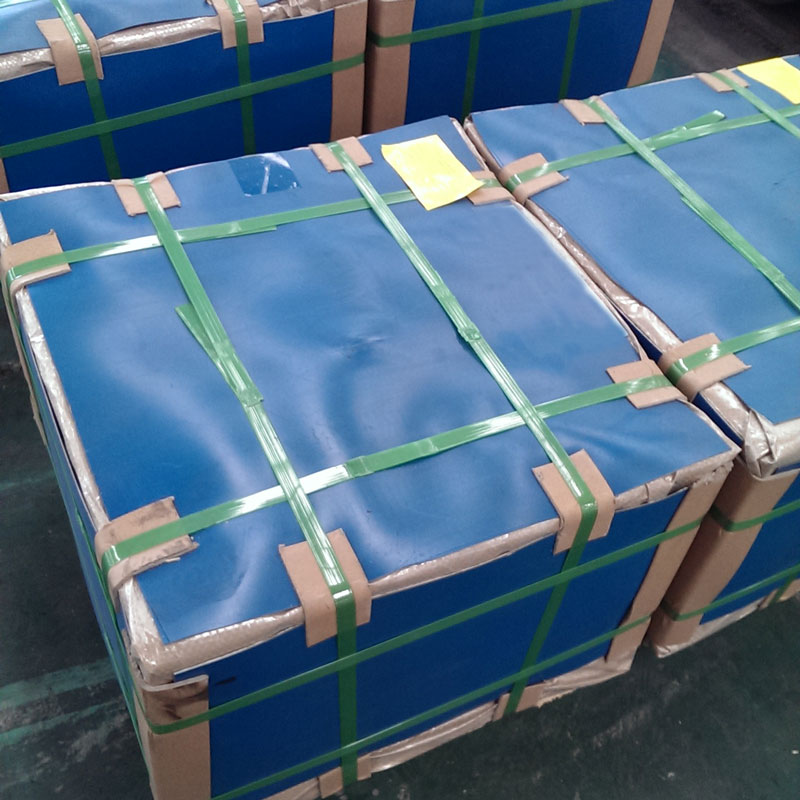
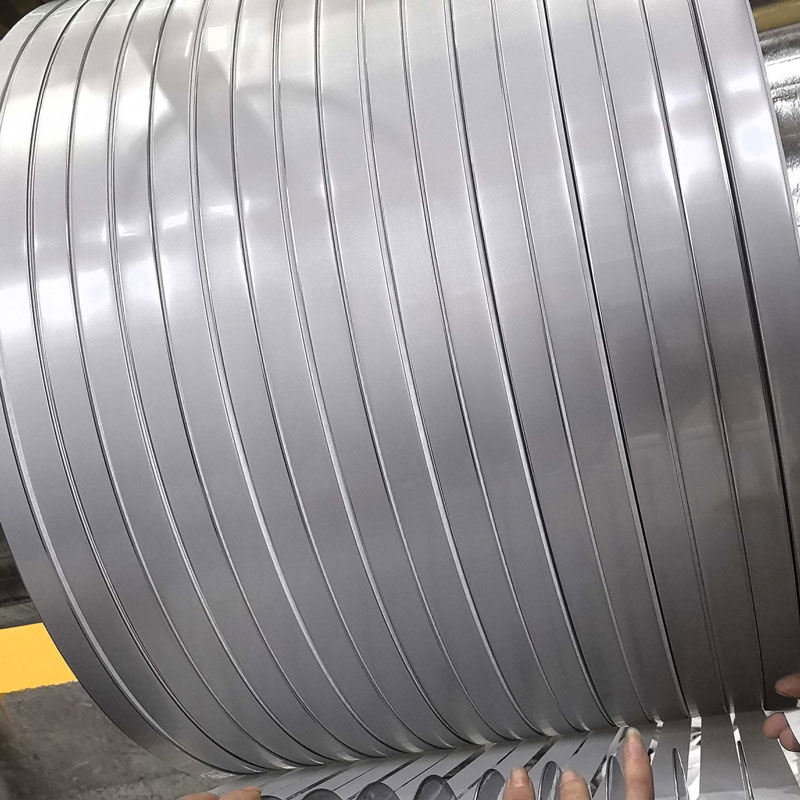
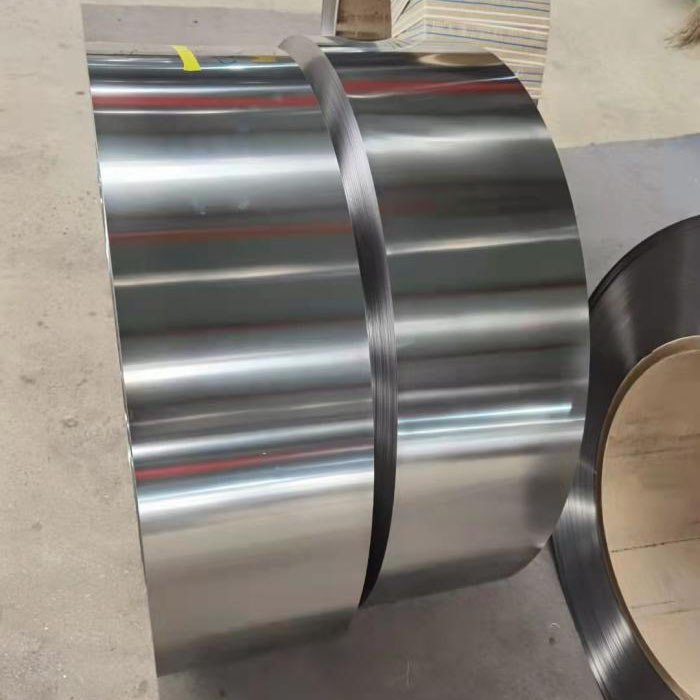
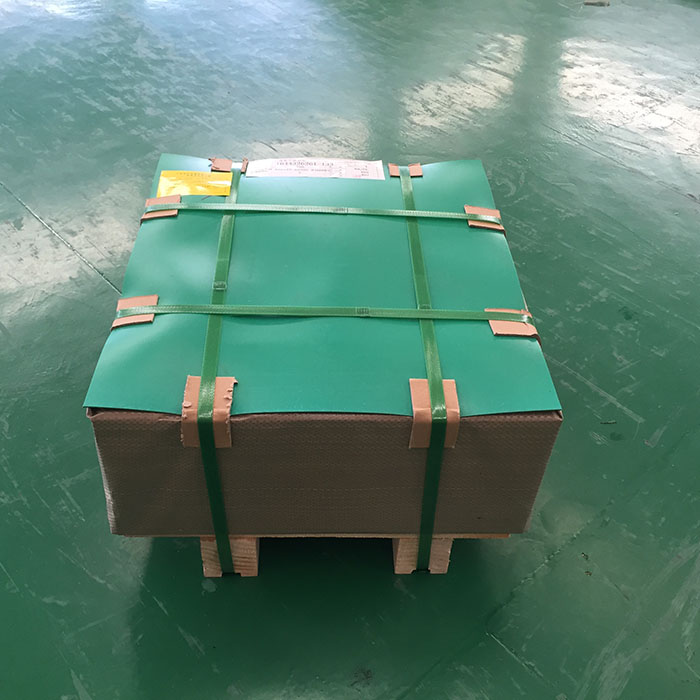
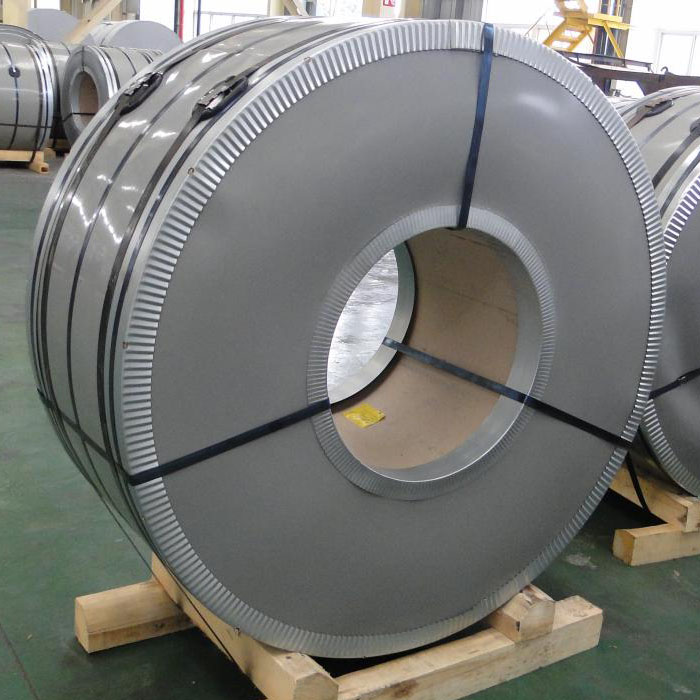
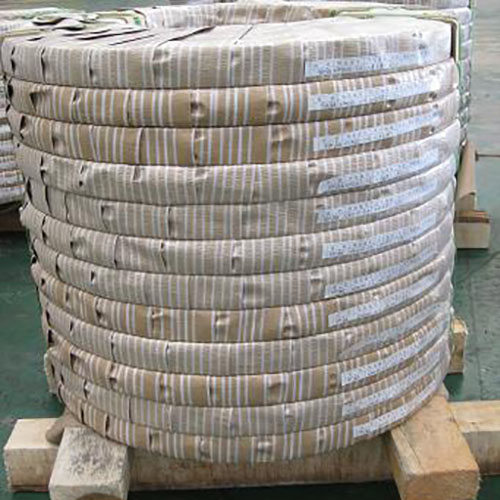
410 stainless steel sheet is a martensitic stainless steel grade known for its high strength, moderate corrosion resistance, and excellent hardness after heat treatment. It belongs to the 400 series of stainless steel and is widely utilized in industries requiring wear resistance and durability. Suppliers like Qihong offer a range of 410 stainless steel sheets with various thicknesses, finishes, and tolerances.


Chemical Composition

The composition of 410 stainless steel sheet gives it a unique balance of hardness, corrosion resistance, and machinability. Below is the standard chemical composition:

Element Percentage (%)
Carbon (C) 0.08 - 0.15
Chromium (Cr) 11.5 - 13.5
Manganese (Mn) 1.0 max
Silicon (Si) 1.0 max
Phosphorus (P) 0.04 max
Sulfur (S) 0.03 max

Mechanical Properties

The mechanical properties of 410 stainless steel sheet are critical for its performance in industrial applications. Typical values include:

  • Tensile Strength: 480 - 620 MPa
  • Yield Strength: 275 MPa
  • Elongation: 20%
  • Hardness: 200 - 250 HB (as annealed); can reach 500 HB after heat treatment

These properties make 410 stainless steel suitable for applications where wear resistance and moderate corrosion resistance are needed.


Manufacturing Process

The production of 410 stainless steel sheets involves several stages:

  1. Melting and Casting: High-quality steel is melted and cast into slabs.
  2. Hot Rolling: Slabs are hot-rolled to required thickness.
  3. Annealing: Sheets are heat-treated to enhance ductility.
  4. Cold Rolling: Provides precise thickness and improved surface finish.
  5. Finishing: Polishing, brushing, or coating as per application requirements.

Qihong ensures strict quality control at each stage, delivering consistent 410 stainless steel sheets for industrial users.


Advantages of 410 Stainless Steel Sheet

410 stainless steel sheet offers numerous benefits that make it a preferred material in multiple sectors:

  • Corrosion Resistance: Suitable for mildly corrosive environments.
  • High Hardness: Excellent wear resistance after heat treatment.
  • Cost-Effective: Less expensive than higher-grade stainless steels.
  • Machinability: Easy to fabricate and process in workshops.
  • Durability: Long service life in demanding applications.

Applications in Various Industries

Due to its combination of strength, hardness, and corrosion resistance, 410 stainless steel sheet is widely used in:

Industry Typical Use
Automotive Exhaust components, trims, and engine parts
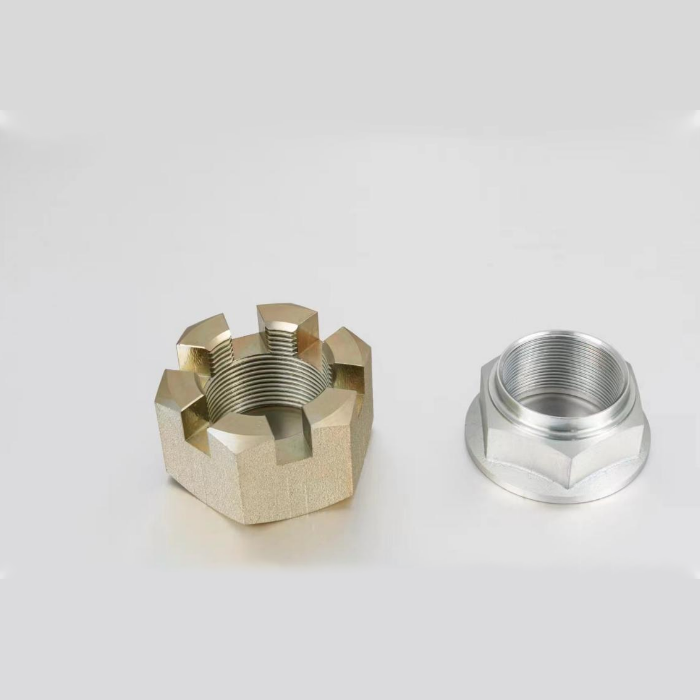
Construction Decorative panels, fasteners, and structural elements
Food Processing Blades, kitchen equipment, and storage tanks
Industrial Equipment Valves, pumps, and machinery parts

Frequently Asked Questions (FAQ)

Q1: Can 410 stainless steel sheet withstand outdoor environments?
A1: Yes, 410 stainless steel provides moderate corrosion resistance suitable for mild outdoor exposure, though it is less resistant than 304 or 316 grades in harsh environments.

Q2: What thicknesses are available from Qihong?
A2: Qihong offers 410 stainless steel sheets ranging from 0.3 mm to 6.0 mm, with customizable sizes available on request.

Q3: Is heat treatment necessary for 410 stainless steel sheet?
A3: Heat treatment is recommended to achieve desired hardness and mechanical properties, especially for wear-resistant applications.

Q4: Can 410 stainless steel be welded?
A4: Yes, it can be welded using conventional methods, but preheating and post-weld treatment may be required to avoid cracking.

Q5: What industries commonly use 410 stainless steel sheet?
A5: Automotive, construction, food processing, and industrial equipment industries frequently use 410 stainless steel sheets.


Conclusion: 410 stainless steel sheet combines strength, durability, and cost-effectiveness, making it a versatile choice across industries. With reliable suppliers like Qihong, businesses can ensure high-quality materials for a variety of applications. For more information on our 410 stainless steel sheet products and to discuss customized solutions, contact us today and get professional guidance tailored to your project needs.

Related News
Leave me a message
X
We use cookies to offer you a better browsing experience, analyze site traffic and personalize content. By using this site, you agree to our use of cookies. Privacy Policy
Reject Accept