News

Why Is Stainless Steel Sheet the Smart Choice for Modern Manufacturing and Construction?

2026-03-06 0 Leave me a message

Article Summary

Stainless Steel Sheet remains one of the most dependable materials for projects that demand corrosion resistance, clean appearance, long service life, and flexible fabrication performance. Buyers often struggle with the same questions: Which grade should they choose? What finish works best for the final application? How can they balance durability with budget? And how can they avoid costly mistakes in sourcing, processing, and long-term maintenance?

This article explains how to evaluate Stainless Steel Sheet from a practical buyer’s perspective. It covers common pain points, grade selection, surface finishes, thickness decisions, fabrication considerations, application scenarios, quality checkpoints, and supplier evaluation standards. It also introduces how Ningbo Qihong Stainless Steel Co., Ltd. supports customers seeking stable product quality, flexible specifications, and responsive service for long-term cooperation.


Table of Contents


Article Outline

  • The core advantages of Stainless Steel Sheet
  • Typical purchasing pain points and how to solve them
  • Grade comparison for 304, 316, 201, 410, and other options
  • Finish selection for decorative and industrial uses
  • Thickness guidance for strength, formability, and budget control
  • Application-based material selection
  • How to identify a reliable manufacturing partner
  • Inspection standards and ordering tips

Why Do Buyers Choose Stainless Steel Sheet?

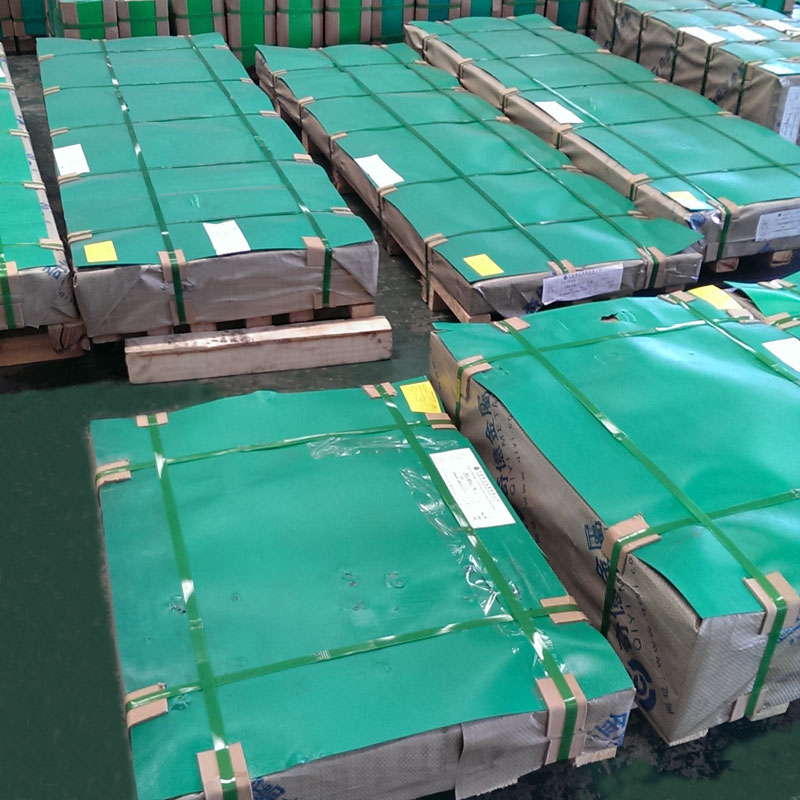
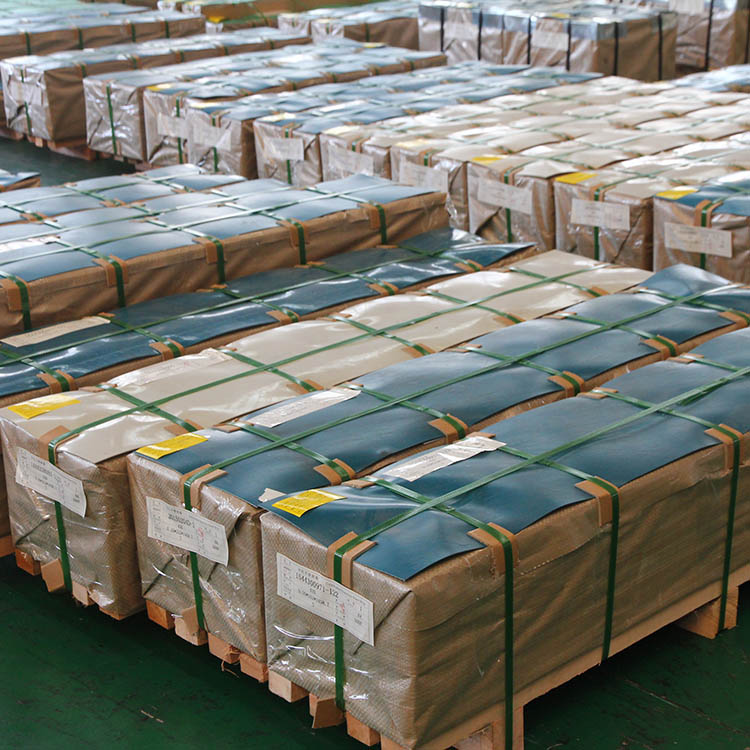
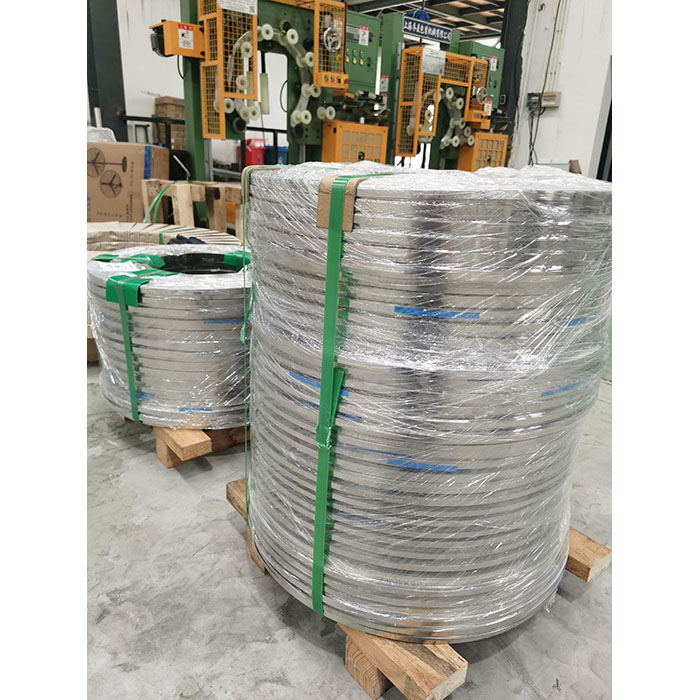
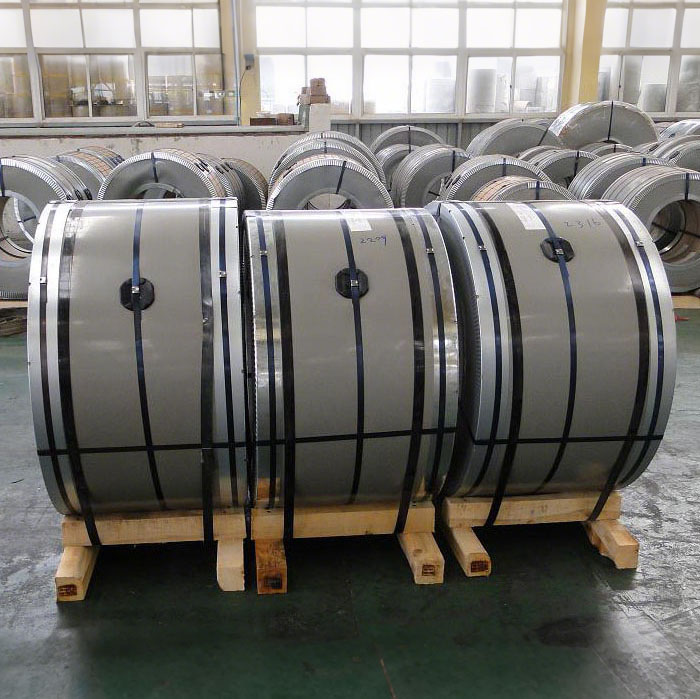
Stainless Steel Sheet

The main reason is simple: Stainless Steel Sheet combines strength, cleanliness, corrosion resistance, and visual appeal in one material. That combination matters across many industries. In commercial kitchens, it supports hygienic surfaces that are easy to clean. In construction, it offers a modern appearance and long outdoor service life. In equipment manufacturing, it delivers dimensional stability and dependable processing performance. In food processing and medical environments, it helps maintain a cleaner and more professional working surface.

What makes this material especially valuable is that it is not limited to a single purpose. It can be cut, bent, stamped, welded, brushed, polished, and formed into products ranging from decorative wall panels to machine covers, tanks, cabinets, elevator panels, and precision components. For buyers, this versatility lowers material-switching costs and simplifies inventory planning.

Another advantage is lifecycle value. A lower-priced material may seem attractive at the quotation stage, but if it rusts early, stains easily, deforms during fabrication, or requires repeated replacement, the total project cost rises quickly. Stainless Steel Sheet is often selected not because it is always the cheapest up front, but because it performs more reliably over time.


What Problems Does Stainless Steel Sheet Solve?

Many customers do not simply buy metal; they buy a solution to a production problem, installation problem, appearance problem, or maintenance problem. That is where Stainless Steel Sheet becomes valuable.

  • Rust-related failure: In humid, wet, or chemically exposed environments, ordinary carbon steel can fail quickly. Stainless steel helps extend service life.
  • High maintenance costs: Surfaces that stain, peel, or corrode require more labor and replacement. Stainless steel reduces that burden.
  • Poor appearance consistency: For visible applications, finish quality matters. Stainless steel supports a clean, premium look.
  • Hygiene concerns: In food, catering, and sanitary applications, easy-to-clean surfaces are essential.
  • Fabrication limitations: Some buyers need a material that can still perform after bending, cutting, welding, or stamping.
  • Spec mismatch from suppliers: A reliable stainless steel source helps prevent thickness deviation, finish inconsistency, and unstable delivery schedules.

In other words, choosing the right Stainless Steel Sheet can reduce complaints, improve manufacturing efficiency, protect product appearance, and strengthen the final customer experience.


Which Grade of Stainless Steel Sheet Should You Select?

This is one of the most important purchasing decisions. Different grades are designed for different environments and processing needs. The right choice depends on corrosion exposure, mechanical demands, fabrication methods, and cost targets.

Grade Main Advantage Typical Use Buyer Note
304 Balanced corrosion resistance and workability Kitchen equipment, architectural panels, tanks, cabinets A widely trusted all-purpose choice
316 / 316L Higher resistance in chloride or marine environments Coastal projects, chemical processing, marine components Usually costs more, but helps prevent premature corrosion
201 Budget-friendly option for less demanding environments Indoor decorative uses, some furniture parts Not ideal for strong corrosive exposure
410 Higher hardness and wear resistance Industrial parts, tools, wear-related applications Better for specific functional needs than decorative use
904L Excellent resistance in highly aggressive environments Chemical and specialized industrial equipment Used when standard grades are not sufficient

Buyers should avoid choosing by price alone. A lower grade may look acceptable at the beginning, but if the installation environment includes moisture, salt, food acids, cleaning chemicals, or outdoor exposure, an unsuitable material can quickly turn into a costly mistake. The smarter approach is to start with the real operating environment, then match the grade to risk level.


How Do Surface Finishes Affect Performance and Appearance?

Surface finish is not just about looks. It affects cleanability, scratch visibility, reflectivity, end-user perception, and even process compatibility. A buyer selecting Stainless Steel Sheet for visible use should never treat finish as an afterthought.

  • Mirror finish: Ideal for premium decorative applications, panels, signage, and surfaces that need a highly reflective look.
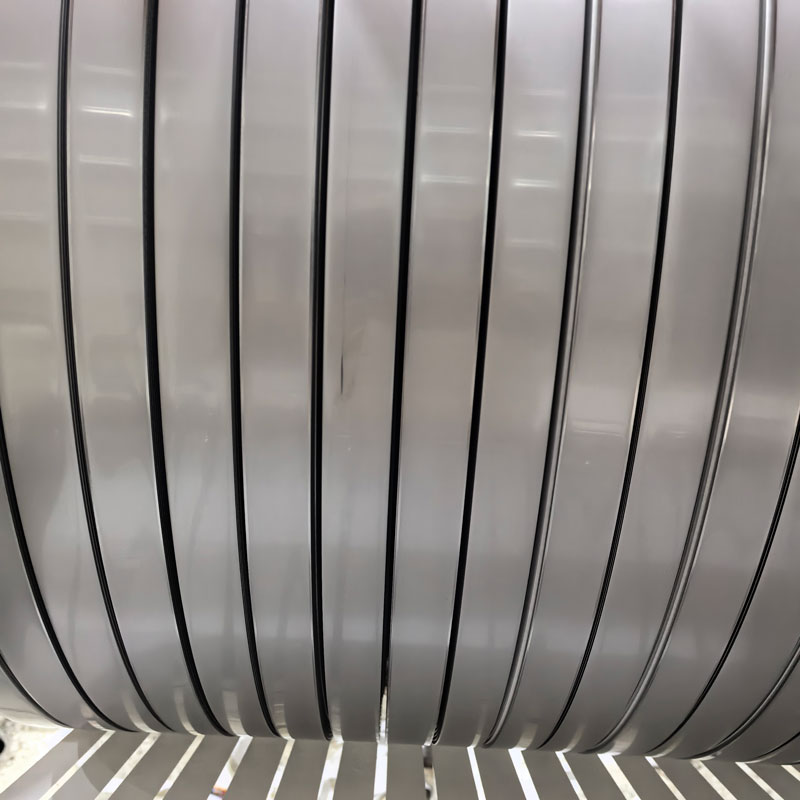
  • Brushed finish: Popular in elevators, appliances, architectural interiors, and commercial spaces where a refined but practical appearance is preferred.
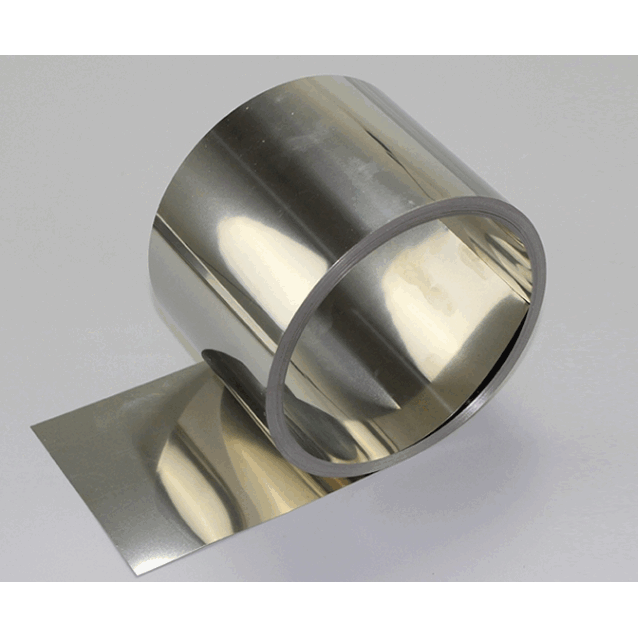
  • Bright annealed finish: Suitable where a cleaner and smoother metallic surface is needed.
  • Matte or standard mill finish: Often selected for industrial processing or applications where appearance is less critical.

A polished or decorative finish may improve product value, but it also demands better handling during processing and transport. Protective film, packaging method, and workshop cleanliness all matter. This is why finish quality should always be discussed together with fabrication method and delivery expectations.

For customers targeting a cleaner visual style without excessive glare, brushed Stainless Steel Sheet often strikes the best balance. For luxury-facing products, mirror surfaces can create strong visual impact. For functional industrial use, practicality may come first. The correct choice depends on the real product goal, not just a catalog photo.


How Do You Choose the Right Thickness?

Thickness selection is often where buyers either protect the project or accidentally create trouble. If the material is too thin, it may deform, vibrate, dent, or underperform in fabrication. If it is too thick, the part becomes more expensive, heavier, harder to process, and less efficient to transport.

Project Need What to Consider Risk of Wrong Choice
Deep drawing or bending Formability, temper, edge quality Cracking, wrinkling, poor yield
Structural or panel stability Load, support spacing, stiffness requirement Warping, vibration, denting
Decorative visible parts Flatness, finish quality, anti-scratch handling Surface distortion and visual defects
Precision components Tolerance, consistency, processing repeatability Assembly mismatch and scrap increase

Before placing an order, buyers should confirm not only the nominal thickness, but also tolerance expectations, end-use stress conditions, fabrication route, and sheet dimensions. These details directly influence both final performance and total cost.


Where Is Stainless Steel Sheet Commonly Used?

Stainless Steel Sheet is used in a remarkably wide range of sectors because it can support both function and appearance at the same time.

  • Construction and architecture: wall cladding, lift interiors, trims, doors, decorative panels, ceilings, façade details
  • Kitchen and catering equipment: sinks, worktops, cabinets, backsplashes, food contact surfaces
  • Food processing: machinery covers, storage systems, sanitary structures, tables and enclosures
  • Industrial manufacturing: machine shells, guards, brackets, housings, enclosures, precision fabricated parts
  • Medical and clean environments: surfaces and components that require a clean and professional finish
  • Marine and chemical settings: higher-grade sheets for stronger corrosion resistance

What buyers often overlook is that the same category of product can need very different material strategies. For example, a decorative indoor panel and a coastal outdoor panel may both be called stainless steel, but their grade, finish, and durability expectations are not the same. Application context always matters.


How Can Buyers Reduce Sourcing Risk?

The material itself is important, but supplier capability is just as important. Many purchasing problems do not come from stainless steel as a category. They come from unstable production control, unclear communication, weak packaging, inaccurate tolerance management, and slow after-sales response.

A dependable supplier should be able to support customers with clear specification matching, stable quality, finish consistency, flexible customization, and realistic delivery coordination. This is especially important for repeat buyers, distributors, OEM factories, and contractors handling multiple projects at once.

Ningbo Qihong Stainless Steel Co., Ltd. focuses on stainless steel material supply and serves customers who need more than a basic quotation. For many buyers, the real value lies in obtaining material that aligns with actual application needs, whether that means thin sheet for precision processing, decorative finish for visible products, or more corrosion-resistant grades for demanding environments.

  • Support for multiple grades and application directions
  • Flexible sheet specification options for different projects
  • Attention to finish and processing suitability
  • Responsive communication for long-term business cooperation
  • Better control over quality consistency and ordering efficiency

A strong sourcing decision protects profit in two ways: it lowers avoidable production risk, and it strengthens the reliability of the final product delivered to the end customer.


What Should You Check Before Placing an Order?

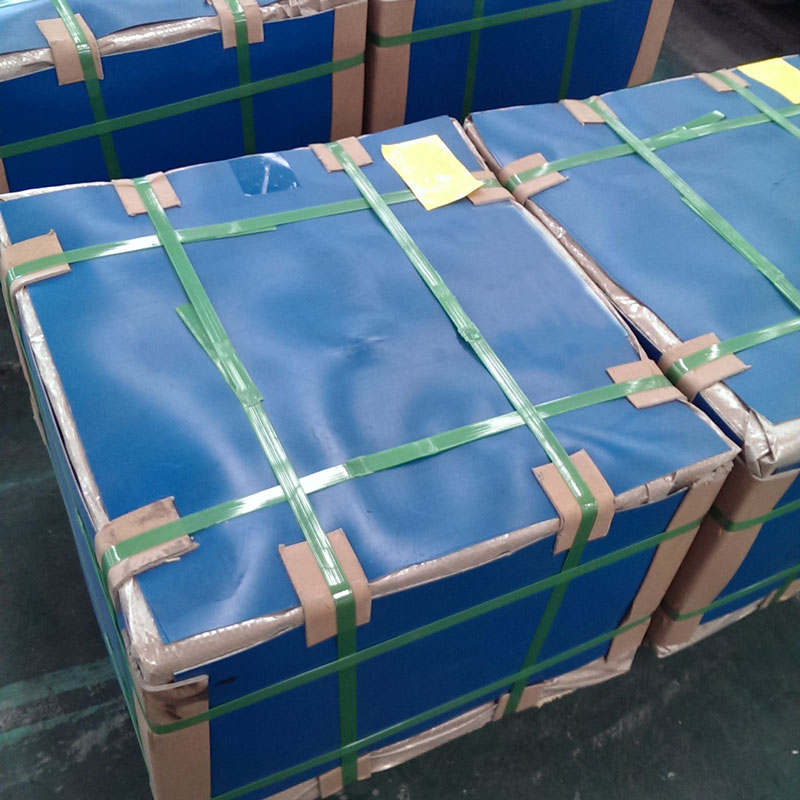
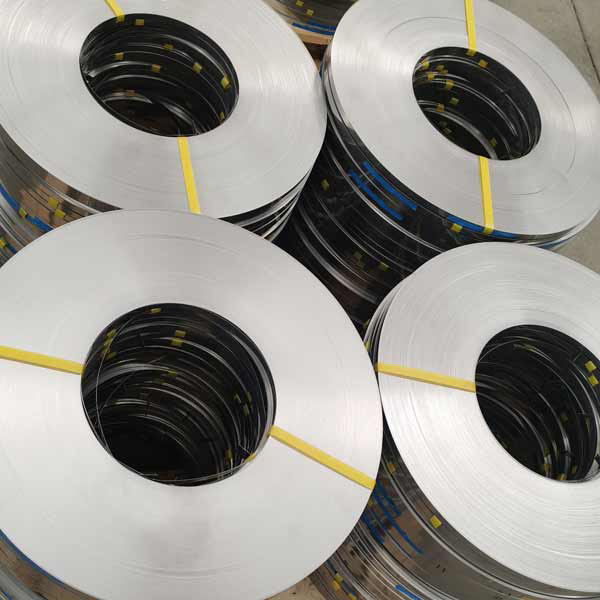
Stainless Steel Sheet

Before confirming a purchase of Stainless Steel Sheet, buyers should review the full requirement list instead of focusing only on price.

  • Required grade and end-use environment
  • Thickness, width, length, and tolerance range
  • Surface finish and visual quality expectations
  • Need for protective film or special packaging
  • Fabrication method such as bending, welding, stamping, or polishing
  • Mechanical performance and hardness requirement
  • Quantity planning and repeat-order stability
  • Lead time, logistics method, and communication speed

This checklist helps prevent common problems such as receiving a sheet that looks correct on paper but performs poorly in production. Clear technical communication before ordering is far less expensive than correcting wrong material after arrival.


FAQ

Q1. What is the most commonly used Stainless Steel Sheet grade?

304 is one of the most commonly selected options because it offers a good balance of corrosion resistance, workability, and cost for general industrial and commercial use.

Q2. When should I choose 316 instead of 304?

Choose 316 or 316L when the sheet will be exposed to stronger corrosive conditions, especially chloride-rich, marine, or chemical environments where higher resistance is required.

Q3. Is mirror finish Stainless Steel Sheet suitable for industrial use?

Yes, but it is most often selected for decorative or premium visible applications. Industrial use is possible if appearance is important and the sheet can be handled carefully during fabrication and installation.

Q4. Does thicker Stainless Steel Sheet always mean better quality?

Not necessarily. Better quality depends on correct grade selection, tolerance stability, finish consistency, and suitability for the intended application. Excessive thickness may only increase cost and processing difficulty.

Q5. How can I reduce the risk of buying the wrong Stainless Steel Sheet?

Define the application clearly, confirm the required grade and finish, provide the target dimensions and processing method, and work with a supplier that can communicate specifications accurately and consistently.

Q6. Can Stainless Steel Sheet be customized for special projects?

Yes. Many projects require customized thickness, width, finish, or processing suitability. That is why it is important to cooperate with a manufacturer or supplier that can support project-specific requirements.


Conclusion

Stainless Steel Sheet is not just a standard metal product. It is a practical answer to some of the most common challenges in fabrication, architecture, food-related applications, commercial equipment, and industrial manufacturing. The right sheet can improve durability, appearance, hygiene, and long-term value all at once. The wrong choice can create hidden costs through corrosion, rework, poor finish quality, and production inefficiency.

For buyers who want stable supply, flexible options, and material solutions that align with real application needs, choosing the right partner matters just as much as choosing the right grade. Ningbo Qihong Stainless Steel Co., Ltd. is ready to support customers seeking dependable Stainless Steel Sheet products for a wide range of industrial and commercial uses.

If you are comparing grades, finishes, sizes, or custom requirements for your next project, contact us today and let our team help you find the right Stainless Steel Sheet solution with confidence.

Related News
Leave me a message
X
We use cookies to offer you a better browsing experience, analyze site traffic and personalize content. By using this site, you agree to our use of cookies. Privacy Policy
Reject Accept