News

How Stainless Steel Nuts Support Sustainable and Safe Industrial Practices?

2026-01-15 0 Leave me a message

Introduction

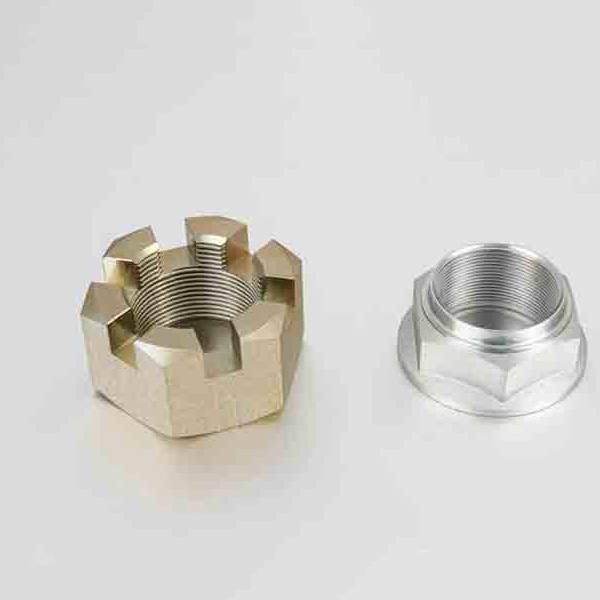
In modern industrial systems, sustainability and safety are no longer optional goals but core operational standards. Manufacturers, project owners, and procurement managers increasingly evaluate every component based on environmental impact, service life, and safety reliability. Among these components, Stainless Steel Nuts play a crucial yet often underestimated role. From infrastructure construction and energy systems to food processing equipment and heavy machinery, these fastening solutions directly influence structural stability, maintenance cycles, and long-term environmental performance.


At Ningbo Qihong Stainless Steel Co., Ltd., we have observed how fasteners evolve from simple mechanical parts into strategic elements of responsible manufacturing. Through decades of production experience, our factory focuses on combining material science, precision machining, and strict quality control to deliver fasteners that align with modern industrial sustainability goals. By optimizing durability, corrosion resistance, and recyclability, Stainless Steel Nuts help reduce waste, minimize downtime, and enhance workplace safety.


This article explores how Stainless Steel Nuts support sustainable and safe industrial practices from material selection and manufacturing standards to lifecycle performance and compliance with global safety requirements. The discussion reflects real-world industrial usage patterns and procurement considerations to help decision-makers understand both technical and environmental value.


products


Table of Contents


What Material Properties Make Stainless Steel Nuts Sustainable?

The sustainability of industrial fastening systems starts with the intrinsic qualities of the raw material, and this is where Stainless Steel Nuts demonstrate clear and measurable advantages. Unlike conventional carbon steel fasteners that rely heavily on surface coatings or chemical treatments for protection, stainless steel derives its durability from its internal alloy composition. This fundamental difference allows stainless steel fasteners to deliver long-term performance with minimal environmental compromise.


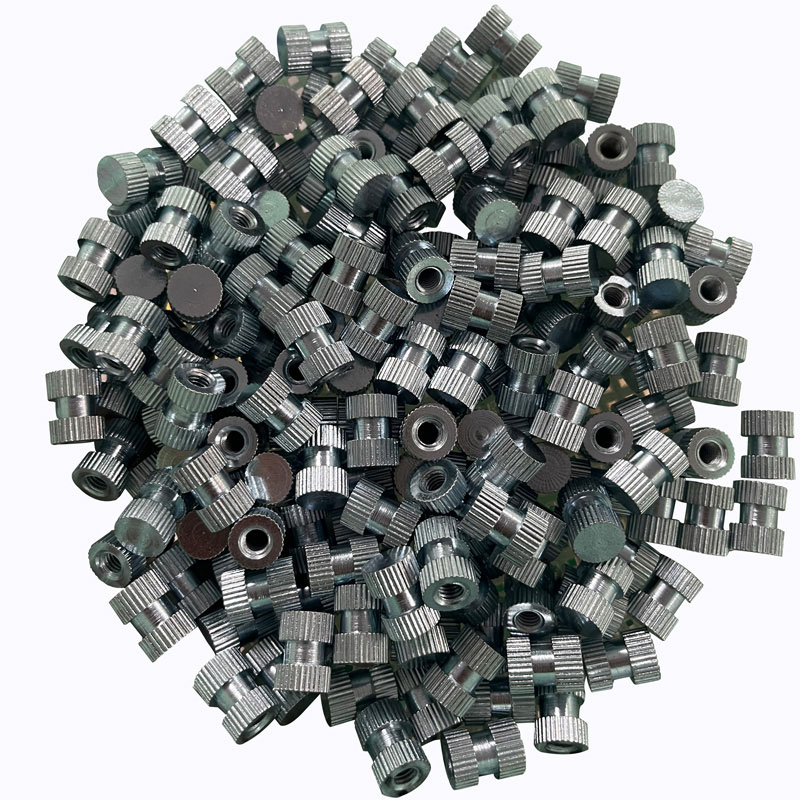
Stainless Steel Rivet Nuts


At the core of stainless steel is chromium, which reacts with oxygen to form a thin, self-healing passive layer on the surface. This layer continuously protects Stainless Steel Nuts from corrosion, even when exposed to moisture, chemicals, or fluctuating temperatures. When minor surface damage occurs, the protective layer regenerates automatically, extending service life without the need for re-coating or maintenance-intensive interventions. From a sustainability perspective, this significantly reduces material consumption, chemical use, and waste generation over time.


From our production experience, material stability is equally important for industrial safety. Stainless steel maintains consistent mechanical properties across a wide temperature range, ensuring that Stainless Steel Nuts do not become brittle in cold environments or lose strength under heat. This stability allows engineers to design safer joints with predictable load-bearing capacity, reducing the risk of structural failure in critical applications such as machinery frames, pressure systems, and load-bearing assemblies.


Material Characteristics That Directly Support Sustainable Use

  • Excellent corrosion resistance that eliminates frequent replacements
  • High tensile and yield strength for long-term load stability
  • Non-toxic composition suitable for regulated environments
  • Resistance to oxidation and chemical degradation
  • Full recyclability without loss of material quality


Another key sustainability factor is recyclability. Stainless steel is one of the most recycled industrial materials globally. At the end of their service life, Stainless Steel Nuts can be fully recovered and reprocessed into new products without compromising material integrity. This closed-loop lifecycle aligns with modern circular economy principles and helps manufacturers reduce reliance on virgin raw materials. Our factory integrates material sourcing practices that support responsible steel production and efficient reuse.


Common Grades and Their Sustainability Advantages

Grade Main Alloy Elements Sustainability Advantage Typical Applications
A2 304 Chromium Nickel Balanced durability and cost efficiency General industrial equipment
A4 316 Chromium Nickel Molybdenum Extended lifespan in corrosive environments Marine and chemical facilities
316L Low carbon stainless steel Reduced intergranular corrosion risk Food and pharmaceutical systems


By selecting appropriate grades based on real operating conditions, industries can avoid over-engineering while still achieving sustainability goals. Ningbo Qihong Stainless Steel Co., Ltd. applies strict material verification and batch traceability to ensure every Stainless Steel Nuts shipment meets defined chemical and mechanical standards. This disciplined approach allows our customers to confidently integrate these fasteners into long-term projects focused on safety, efficiency, and environmental responsibility.


Ultimately, the material properties of Stainless Steel Nuts form the foundation for sustainable industrial practices. Their durability, safety, and recyclability create measurable value not only in performance metrics but also in reduced environmental impact throughout the entire lifecycle of industrial systems.


How Does Precision Manufacturing Improve Safety and Longevity?

While material selection establishes the foundation of performance, precision manufacturing determines whether Stainless Steel Nuts can truly deliver long-term safety and sustainability in real industrial conditions. Even premium stainless steel alloys may underperform if manufacturing processes lack accuracy, consistency, or proper quality control. For industrial fasteners, small deviations in thread geometry or dimensional tolerance can lead to uneven load distribution, premature wear, or joint failure.


From our factory perspective, precision manufacturing is not only about meeting dimensional standards but also about ensuring repeatable performance across large production volumes. Stainless Steel Nuts are often used in critical assemblies where vibration, dynamic loads, and thermal expansion are constant challenges. Precision machining ensures that each nut engages correctly with its mating bolt, maintaining stable clamping force throughout the equipment lifecycle.


Cold forging plays a significant role in enhancing the mechanical integrity of Stainless Steel Nuts. This process refines the grain structure of the material, increasing strength and fatigue resistance without additional heat treatment. Compared to cutting-based methods, cold forging reduces material waste and improves overall resource efficiency, supporting sustainable manufacturing practices while delivering superior product performance.


Manufacturing Elements That Enhance Safety Performance

  • Accurate thread profiles that ensure uniform load transfer
  • Consistent pitch and flank angles for secure fastening
  • Controlled surface roughness to reduce friction-related damage
  • Stable dimensional tolerances for reliable interchangeability


Surface quality is another critical factor directly linked to safety. Smooth and uniform surfaces minimize micro-cracks and stress concentration points that could develop into fatigue failures under cyclic loads. Precision finishing also improves resistance to galling, a common issue in stainless steel fasteners when improper surface conditions exist. By controlling surface characteristics during production, Stainless Steel Nuts maintain predictable torque behavior during installation and disassembly.


Quality Control Processes Supporting Longevity

Control Stage Inspection Method Safety Contribution
Dimensional accuracy Calibrated measuring tools Prevents improper assembly
Thread integrity Functional gauge testing Ensures secure load-bearing
Mechanical strength Hardness and tensile testing Maintains structural reliability


At Ningbo Qihong Stainless Steel Co., Ltd., every production batch undergoes systematic inspection to confirm compliance with international standards and project-specific requirements. Our manufacturing workflow emphasizes early detection of deviations, reducing scrap rates and avoiding downstream failures. This disciplined approach improves production efficiency while ensuring that Stainless Steel Nuts perform consistently in demanding industrial environments.


Precision manufacturing also supports sustainability by reducing the total number of fasteners required over time. When Stainless Steel Nuts maintain torque retention and resist loosening, equipment operates longer without maintenance interruptions. Fewer replacements mean reduced raw material usage, lower transportation emissions, and less industrial waste.


Ultimately, precision manufacturing transforms raw stainless steel into a safety-critical component capable of supporting modern industrial systems. By combining advanced forming techniques, strict dimensional control, and comprehensive quality assurance, Stainless Steel Nuts achieve the durability and reliability required for sustainable and safe industrial practices across global markets.


Why Are Stainless Steel Nuts Critical in High-Risk Industrial Applications?

High-risk industrial environments place exceptional demands on fastening components. In these settings, failure is not merely a matter of inconvenience but can lead to safety incidents, environmental damage, or severe economic loss. Stainless Steel Nuts are considered a critical fastening solution because they provide reliable performance under conditions where corrosion, vibration, temperature extremes, and strict regulatory oversight are constant factors.


Industries such as chemical processing, energy generation, transportation infrastructure, and food manufacturing rely on fastening systems that maintain integrity over long operational cycles. Stainless Steel Nuts offer predictable mechanical behavior and chemical stability, allowing engineers to design assemblies that meet both safety and sustainability objectives. From our factory experience, fastener reliability often determines the overall risk profile of an industrial system.


In corrosive or outdoor environments, traditional fasteners may degrade rapidly, leading to joint loosening or structural weakness. Stainless steel, however, resists rust, chemical attack, and moisture penetration without additional coatings. This inherent resistance ensures that Stainless Steel Nuts continue to perform even when exposed to salt spray, cleaning chemicals, or industrial pollutants. By maintaining clamping force, they help prevent leaks, vibration-related failures, and unexpected shutdowns.


Industrial Sectors Where Reliability Is Non-Negotiable

  • Chemical plants handling acids, solvents, and aggressive media
  • Renewable energy systems exposed to wind, rain, and UV radiation
  • Food and beverage production lines requiring hygienic fastening
  • Water treatment and desalination facilities with high humidity
  • Transportation and logistics equipment subject to continuous vibration


Safety regulations in these industries often mandate the use of corrosion-resistant and contamination-free materials. Stainless Steel Nuts meet these requirements by providing clean surfaces, stable metallurgy, and compatibility with frequent washdowns or inspections. Their non-reactive nature makes them suitable for hygienic environments, where material degradation or surface flaking could compromise product safety.


Another important consideration in high-risk applications is vibration resistance. Equipment such as pumps, compressors, and conveyor systems generate continuous dynamic loads that can gradually loosen poorly matched fasteners. Precision-manufactured Stainless Steel Nuts maintain consistent thread engagement and torque retention, reducing the need for secondary locking methods and lowering maintenance complexity. This directly contributes to safer working conditions by minimizing manual intervention in hazardous areas.


Performance Advantages in Demanding Conditions

  • Stable mechanical strength under dynamic and static loads
  • Resistance to stress corrosion cracking
  • Predictable torque behavior during assembly and maintenance
  • Compatibility with international safety and quality standards


Ningbo Qihong Stainless Steel Co., Ltd. works closely with industrial clients to match fastener specifications to real operating conditions. By selecting appropriate grades, tolerances, and surface finishes, our factory helps customers reduce operational risk and extend equipment service life. This application-driven approach ensures that Stainless Steel Nuts function as reliable safety components rather than consumable accessories.


From a sustainability perspective, reliability in high-risk environments also reduces environmental exposure. Secure joints help prevent leaks of chemicals, fluids, or gases that could contaminate surrounding ecosystems. By maintaining structural integrity over time, Stainless Steel Nuts support responsible industrial operations that prioritize both human safety and environmental protection.


In summary, Stainless Steel Nuts are critical in high-risk industrial applications because they combine material resilience, mechanical reliability, and regulatory compliance. Their performance under extreme conditions enables industries to operate safely, efficiently, and sustainably, making them an essential component in modern industrial design.


How Do Stainless Steel Nuts Reduce Lifecycle Environmental Impact?

Evaluating environmental responsibility in industrial systems requires looking beyond initial procurement costs and focusing on total lifecycle impact. Stainless Steel Nuts contribute significantly to lifecycle sustainability because they are designed for long-term use, stable performance, and full material recovery at the end of service life. When assessed across decades of operation, these characteristics translate into measurable reductions in resource consumption, waste generation, and environmental risk.


One of the most important lifecycle advantages of Stainless Steel Nuts is their extended service life. In many industrial installations, fasteners remain in place for years without replacement. Stainless steel maintains corrosion resistance and mechanical strength throughout prolonged exposure to moisture, chemicals, temperature variation, and mechanical stress. This durability reduces the frequency of maintenance interventions and replacement cycles, directly lowering the volume of discarded fasteners entering waste streams.


From an operational standpoint, fewer replacements also mean less downtime. Equipment shutdowns for fastener maintenance often require energy-intensive processes, additional labor, and transportation of spare parts. By using Stainless Steel Nuts with long-term reliability, industrial operators reduce the cumulative environmental footprint associated with these activities. Our factory designs fasteners with consistent performance to support uninterrupted operation in long-term projects.


Lifecycle Stages Where Environmental Impact Is Reduced

  • Production stage through efficient material utilization
  • Installation stage with predictable torque and fit
  • Operation stage with minimal maintenance requirements
  • End-of-life stage with full recyclability


Another critical factor is material recovery. Stainless steel is highly valued in recycling markets because it retains its alloy properties after reprocessing. At the end of their operational life, Stainless Steel Nuts can be collected, melted, and reused without degradation in quality. This closed-loop recycling process significantly reduces demand for virgin raw materials and lowers overall carbon emissions associated with steel production.


In contrast to coated or plated fasteners, stainless steel does not introduce additional chemical layers that complicate recycling. This simplifies waste handling and improves recycling efficiency. By selecting Stainless Steel Nuts, industries align with circular economy principles that prioritize reuse and resource conservation.

Environmental Benefits Across the Product Lifecycle

Lifecycle Phase Environmental Benefit Long-Term Impact
Manufacturing Reduced scrap through precision forming Lower material waste
Operation Extended service intervals Reduced maintenance emissions
End of use High recyclability Resource conservation


At Ningbo Qihong Stainless Steel Co., Ltd., lifecycle performance is considered during product development and quality planning. Our factory prioritizes manufacturing methods that optimize material usage while ensuring durability in real operating conditions. This approach supports customers seeking to meet sustainability targets without compromising safety or reliability.


Additionally, long lifecycle performance contributes to cost stability. When Stainless Steel Nuts remain functional over extended periods, organizations can better forecast maintenance budgets and reduce unexpected expenditures. This economic stability often reinforces sustainability initiatives by enabling long-term planning rather than short-term cost-driven decisions.


In conclusion, Stainless Steel Nuts reduce lifecycle environmental impact by combining durability, operational efficiency, and recyclability. Their contribution extends beyond individual fasteners to influence the sustainability performance of entire industrial systems, making them a practical and responsible choice for industries committed to long-term environmental stewardship.


Summary

Stainless Steel Nuts are essential components that support sustainable and safe industrial practices through material durability, manufacturing precision, and lifecycle efficiency. Their resistance to corrosion, mechanical reliability, and recyclability make them a strategic choice for industries focused on long-term performance and environmental responsibility.


Ningbo Qihong Stainless Steel Co., Ltd. continues to invest in advanced production technology and quality control to deliver fastening solutions that meet modern industrial expectations. By choosing reliable Stainless Steel Nuts, businesses can enhance safety, reduce environmental impact, and improve operational continuity. For organizations seeking dependable fastening solutions that align with sustainability goals, our team is ready to provide technical support and customized product recommendations. Contact our factory today to discuss project requirements and request detailed specifications.


FAQ

Q1: How Stainless Steel Nuts Support Sustainable and Safe Industrial Practices?
They provide long service life, corrosion resistance, and recyclability, reducing maintenance needs and environmental impact while ensuring joint safety.

Q2: How Stainless Steel Nuts Support Sustainable and Safe Industrial Practices in corrosive environments?
Their inherent resistance to rust and chemical attack maintains structural integrity without additional coatings, improving safety and reducing waste.

Q3: How Stainless Steel Nuts Support Sustainable and Safe Industrial Practices in food and hygiene applications?
They offer smooth surfaces and non-reactive material properties that meet hygiene standards and reduce contamination risks.

Q4: How Stainless Steel Nuts Support Sustainable and Safe Industrial Practices over long project lifecycles?
Extended durability minimizes replacements, lowering material consumption and lifecycle costs.

Q5: How Stainless Steel Nuts Support Sustainable and Safe Industrial Practices in global compliance requirements?
They meet widely accepted international standards, supporting regulatory compliance and consistent safety performance across markets.

Related News
Leave me a message
X
We use cookies to offer you a better browsing experience, analyze site traffic and personalize content. By using this site, you agree to our use of cookies. Privacy Policy
Reject Accept