We are glad to share with you about the results of our work, company news, and give you timely developments and personnel appointment and removal conditions.
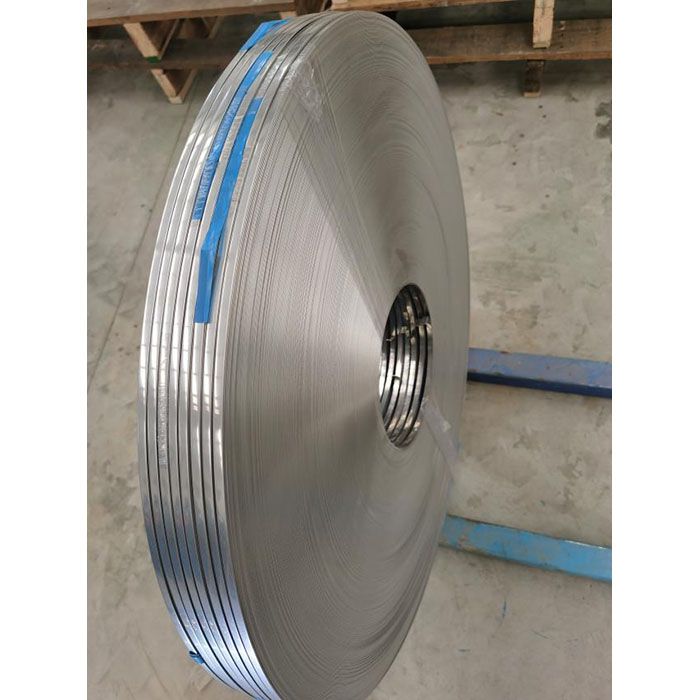
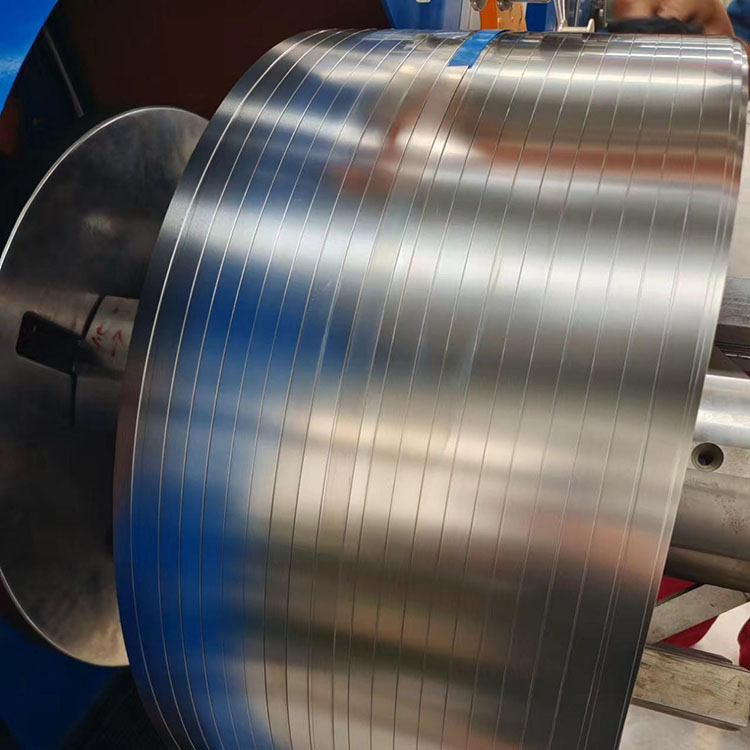
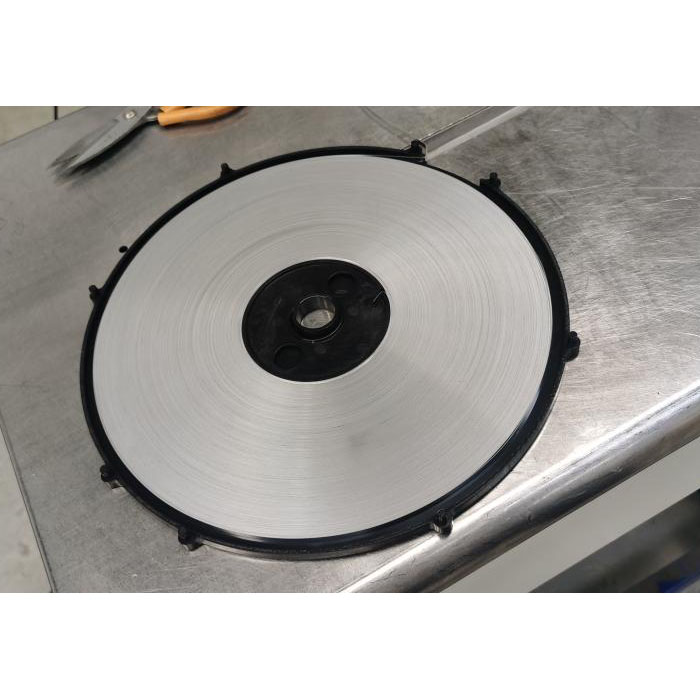
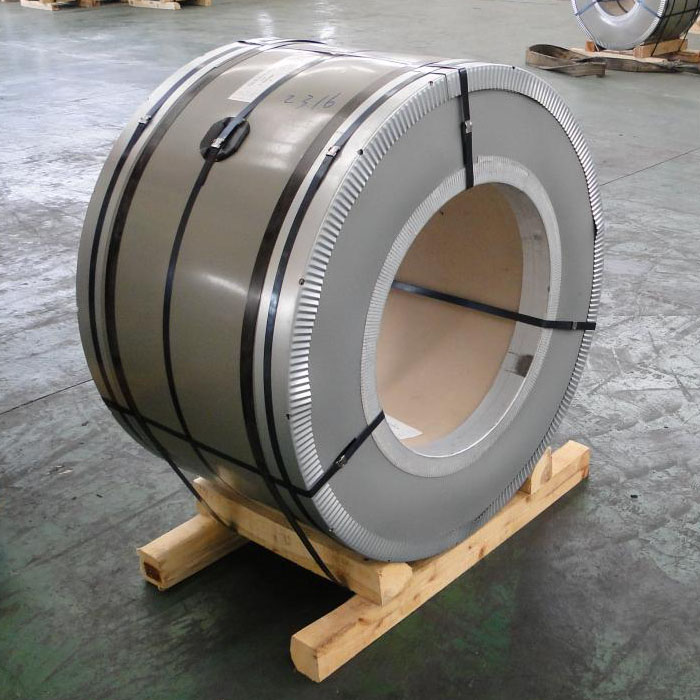
The heat treatment process of stainless steel coils usually includes annealing, solution treatment, aging treatment, etc. These processes help improve the mechanical properties, corrosion resistance and other characteristics of stainless steel. The following is a detailed introduction to the common heat treatment process of stainless steel coils:
1. Annealing: Annealing is the most common heat treatment process in stainless steel coils. The main purpose is to eliminate the internal stress caused by cold working, restore the plasticity of stainless steel, improve its ductility, and improve its structure by heating.
904L stainless steel is an austenitic stainless steel containing a high proportion of alloy elements. It is mainly composed of 18% chromium (Cr), 23% nickel (Ni) and 4.5% molybdenum (Mo). Its special chemical composition makes it It has many advantages in terms of corrosion resistance and mechanical properties. The following are the main advantages of 904L stainless steel:
Stainless steel 304 and 316 are both common austenitic stainless steels, which differ in composition, performance and application. The following are the main differences between the two stainless steels:
1. Chemical composition difference
304 stainless steel:
Main alloying elements: 18% chromium (Cr) and 8% nickel (Ni).
Contains a small amount of carbon (C) and manganese (Mn), and may also contain a small amount of silicon (Si) and nitrogen (N) and other elements.
304 stainless steel does not contain molybdenum (Mo).
Stainless steel precision dowel pins have the following key properties:
1. Corrosion resistance: Stainless steel materials have excellent corrosion resistance to a variety of chemicals, especially 316 stainless steel in marine and chemical environments.
The following steps can be taken to deal with the quality defects of stainless steel coils:
Defect classification: First classify the defects of stainless steel coils, such as scratches, dents, oxidation, color difference, etc., so as to deal with them in a targeted manner.
202 stainless steel coil is a common stainless steel material, mainly composed of chromium, nickel and a small amount of manganese. Due to its excellent performance, 202 stainless steel coil is widely used in many fields. The following are the main uses of 202 stainless steel coil:
We use cookies to offer you a better browsing experience, analyze site traffic and personalize content. By using this site, you agree to our use of cookies.
Privacy Policy