Products
Hard Temper Stainless Steel Foil
  • Hard Temper Stainless Steel FoilHard Temper Stainless Steel Foil
  • Hard Temper Stainless Steel FoilHard Temper Stainless Steel Foil
  • Hard Temper Stainless Steel FoilHard Temper Stainless Steel Foil
  • Hard Temper Stainless Steel FoilHard Temper Stainless Steel Foil

Hard Temper Stainless Steel Foil

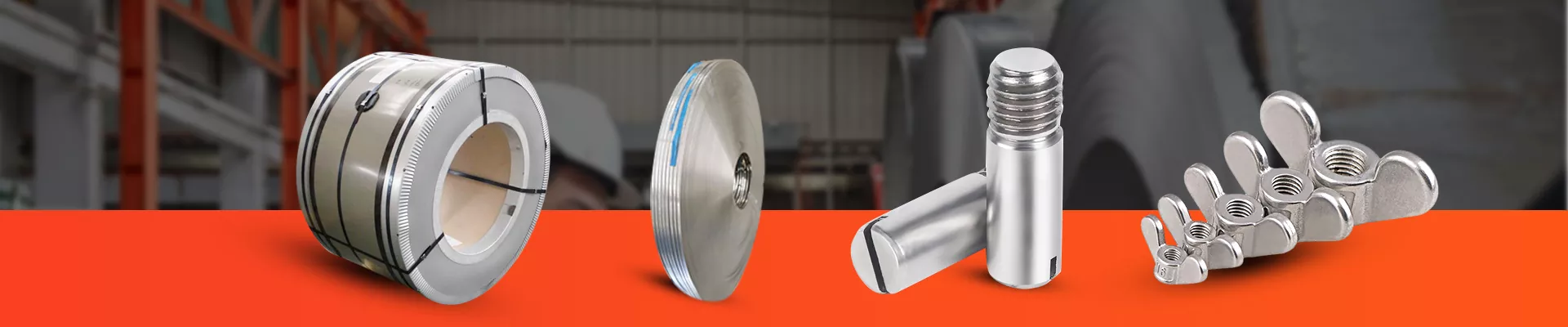
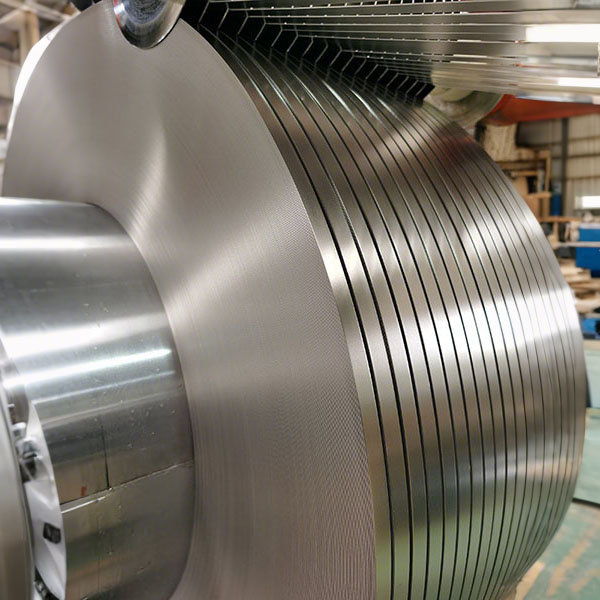
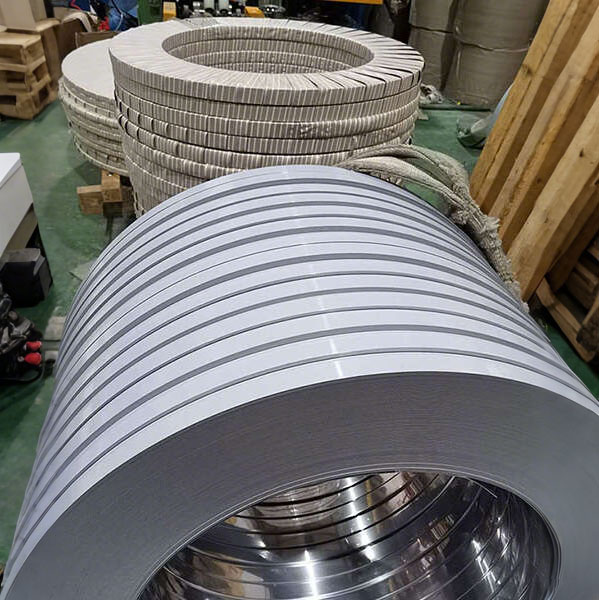
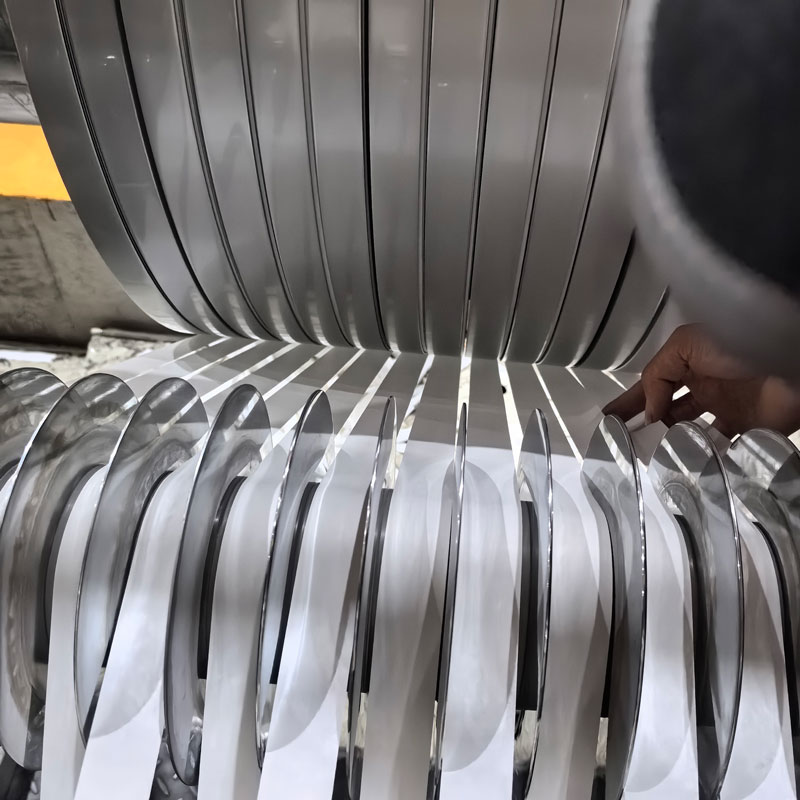
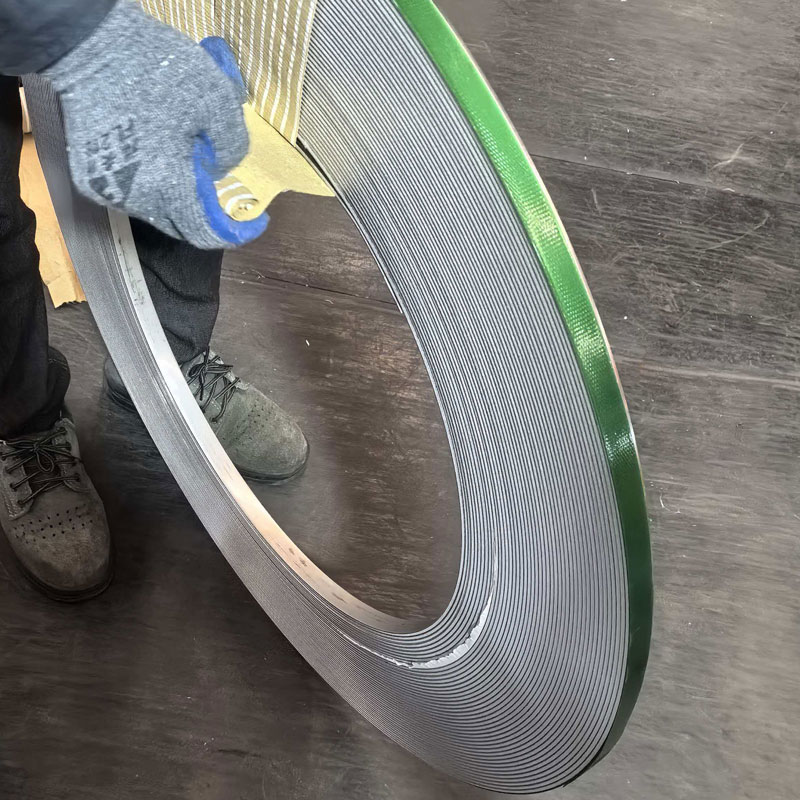
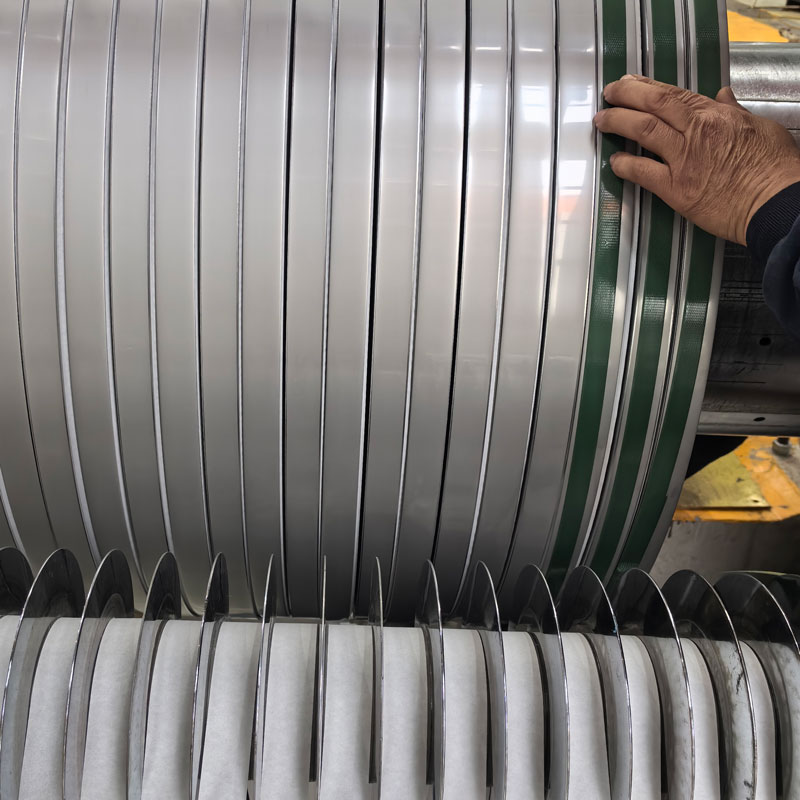
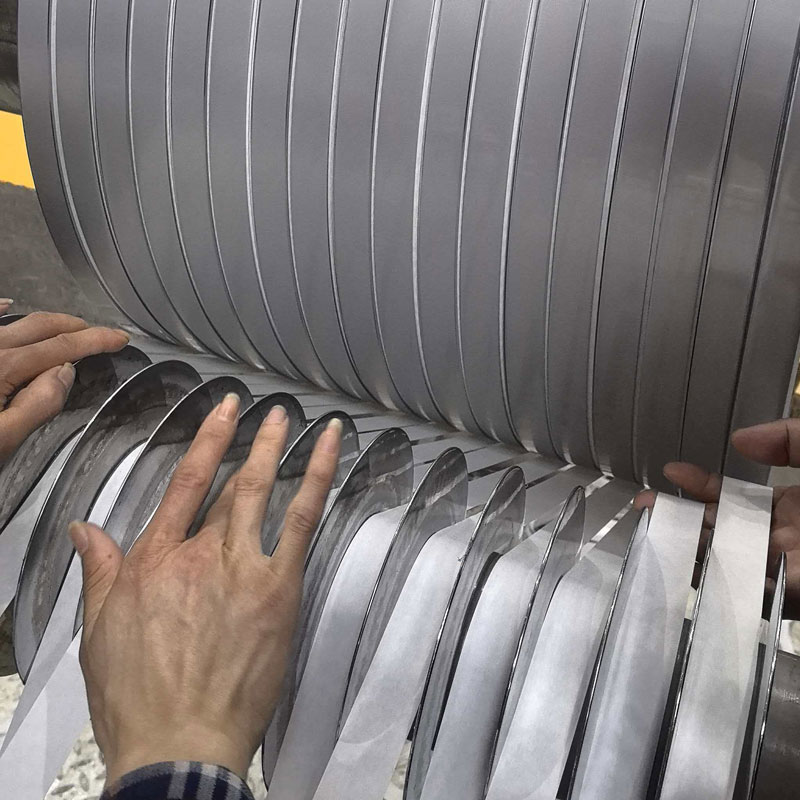
Hard Temper Stainless Steel Foil from Qihong runs 0.008-0.30 mm in 301, 304, 316L and 201, with hardness measured in HV and printed on every coil record. The Ningbo manufacturer slits down to 1.5 mm and ships trial coils before a production run.

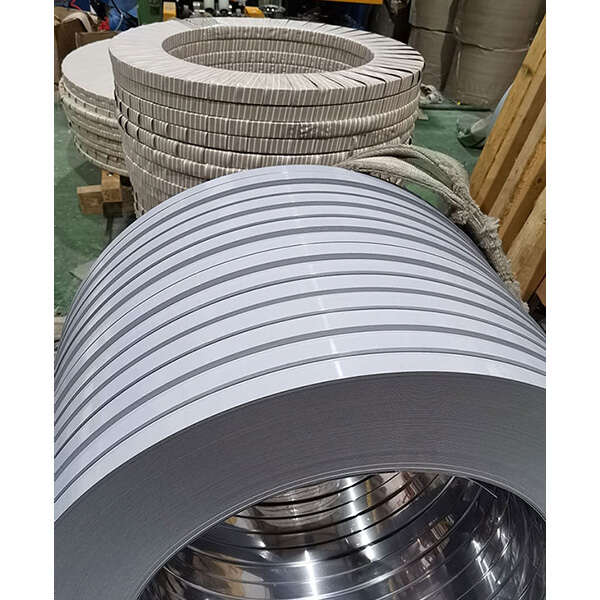
    A hard temper is not a grade, a coating or a finish. It is the work hardening left inside the metal by the last rolling pass, and it survives only until somebody brazes or cures the part. Hard Temper Stainless Steel Foil from Qihong leaves the mill in Ningbo, China between 0.008 mm and 0.30 mm with the hardness measured in HV and recorded per coil, so the number qualified on a sample is the number that arrives on the pallet.

    Thickness0.008 – 0.30 mm
    TemperH / 3/4H / 1/2H
    Slit width1.5 – 600 mm
    HardnessReported in HV

    The Last Pass

    Reaching foil gauge takes a long series of reductions, and each one hardens the metal because the crystal lattice has no time to recover. Between passes the mill anneals that hardness away so the next reduction can bite without cracking the edge. What happens after the final pass decides what you receive: anneal once more and it is soft, stop there and it is hard.

    1. Pass schedules are set per grade and gauge — thinner stock means more passes and a lighter bite each time, which is why a 0.008 mm coil can run through eighteen stands before it reaches size.
    2. Intermediate annealing restores ductility between passes. Skip or shorten it and the edge cracks before the gauge is reached.
    3. The final pass sets gauge and temper in the same operation, so thickness tolerance and hardness are won or lost together, not separately.
    4. Slitting, leveling and rewinding only relieve stress. A coil can come out of them softer or less flat, never harder.
    5. Every later heat treatment relaxes the work hardening for good — soldering, brazing, welding, powder-coat curing and lamination all anneal the material locally.
    This is the trap in ordering by temper name: a coil that was stress-relieved to correct flatness is no longer the temper it was rolled to. If both flatness and hardness are on the drawing, say which one takes priority, because the mill cannot always deliver both at once.

    Everything worth knowing about Hard Temper Stainless Steel Foil follows from that one fact: the property is inherited from the last pass, so it has to be protected through slitting, packing, shipping and the customer's own assembly process.

    Hardness vs Flatness

    Hard and flat pull against each other. The residual stress that makes the metal spring back also makes a thin coil curl, wave at the edge and buckle in the middle. A mill can flatten almost any coil with enough tension and bending, but the same operation that flattens it also relaxes it.

    1. Coil set comes from winding tension and core diameter. A small eye, a long sea voyage and a coil stored on its edge all make the curl worse.
    2. Edge wave appears when the edges were rolled a shade thinner than the centre, which is common on narrow material taken from a wide master coil.
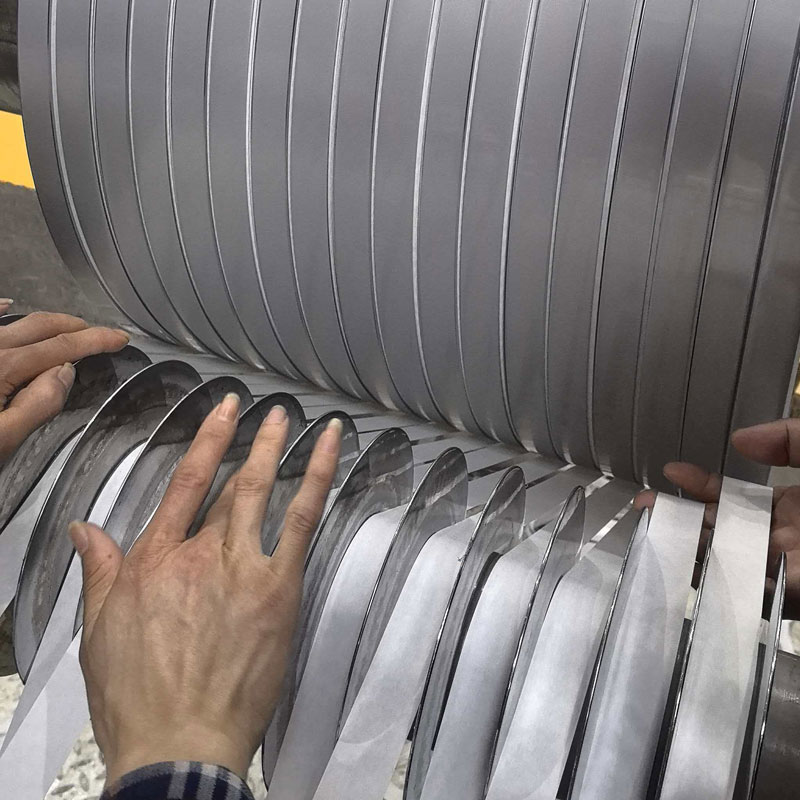
    3. Slitting releases stress, so camber is created at the slitting line. It has to be measured on the finished narrow coil, not on the master coil before slitting.
    4. Tension leveling improves flatness and costs a little hardness. How much is a process decision that should be agreed on the order, not discovered on arrival.
    5. Flatness needs a number — millimetres of deviation per metre of length — because "good flatness" means something different to a mill, a slitter and a press operator.

    Ask for flatness and hardness as two separate figures on the certificate, and ask which one was allowed to move. That single question separates Hard Temper Stainless Steel Foil that runs in a progressive die from material that looks perfect on the pallet and fights the feeder all afternoon.

    Grade Ladder

    The hardness ceiling belongs to the alloy. Cold rolling can only take a grade as far as its chemistry allows, which is why the same temper name means different things across the 200, 300 and 400 series.

    Grade Reaches H Where it earns its place
    301 Yes, with the least reduction Springs, contacts and blade edges where fatigue life matters most
    201 Yes, quickly Cost-driven dry parts; not for food contact or wet chloride service
    304 Yes, at a lower strength ceiling than 301 Corrosion first, strength second; general industrial and electronic parts
    316L Usually 1/2H to 3/4H; H quoted case by case Chemical, medical and chloride exposure where corrosion is the reason for the grade
    430 Moderate tempers only Magnetic, cost-sensitive duty without severe forming
    631 Reached by ageing, not by rolling Parts formed soft and hardened after forming
    1. Start with the strength the part actually needs at its working deflection, not with the hardest temper available.
    2. Then check the environment: if the answer is chloride, wet or food contact, the grade changes before the temper does.
    3. Then check the forming route: a part with one shallow bend and a part with a drawn cup cannot share a specification.

    Matching all three is what makes Hard Temper Stainless Steel Foil a specification rather than a wish — and it is why the useful input at enquiry stage is a drawing with a bend radius on it, not a grade name on its own.

    Specifications

    The window below is what the lines run routinely. Combinations outside it are quoted individually rather than promised from a table.

    Item Specification
    Grades 301, 304, 316L, 201, 430, 631, 904L
    Temper H (full hard), 3/4H, 1/2H, 1/4H; annealed stock also supplied for forming
    Thickness 0.008 – 0.30 mm; 0.008 mm in selected grades and tempers
    Width 1.5 – 600 mm, slit to order; master coil and cut-to-length sheet
    Thickness tolerance ±0.0005 mm on thin gauge, scanned in line across the full coil length
    Flatness Down to 3.8 µm deviation on 0.008 mm stock; agreed as mm per metre for heavier gauge
    Hardness Measured in HV at the agreed test load, or as a tensile band, reported per coil
    Surface BA bright annealed, 2B, 8K mirror, brushed, matte
    Edge Burr-free slit as standard; deburred or rounded on request
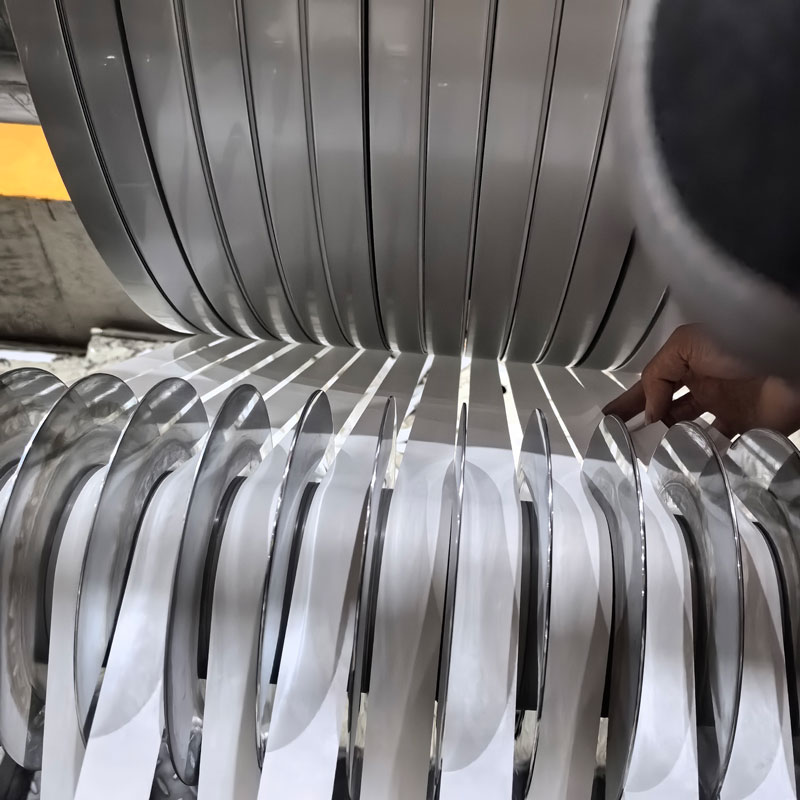
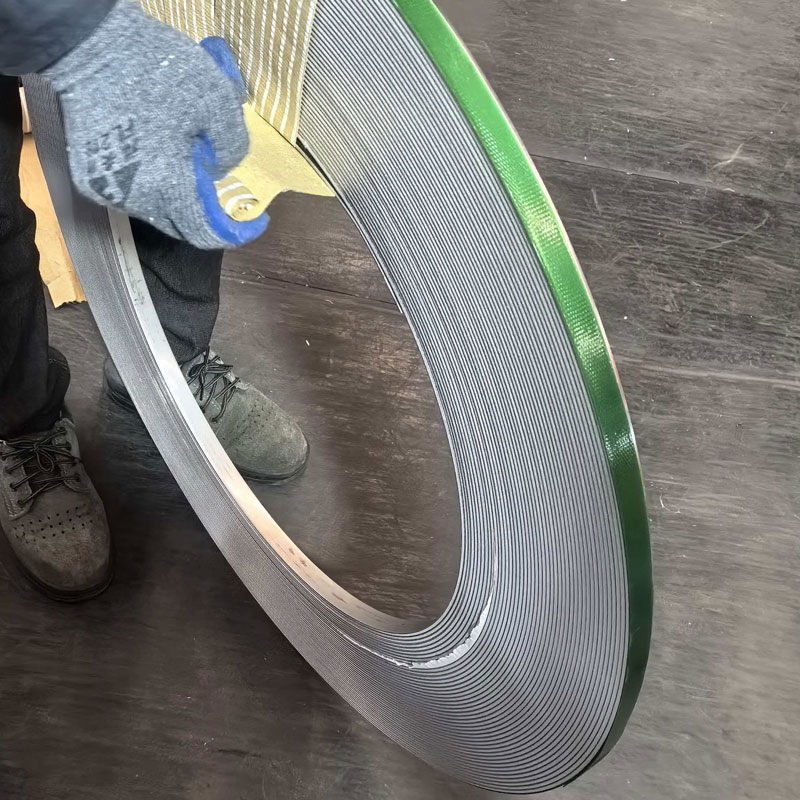
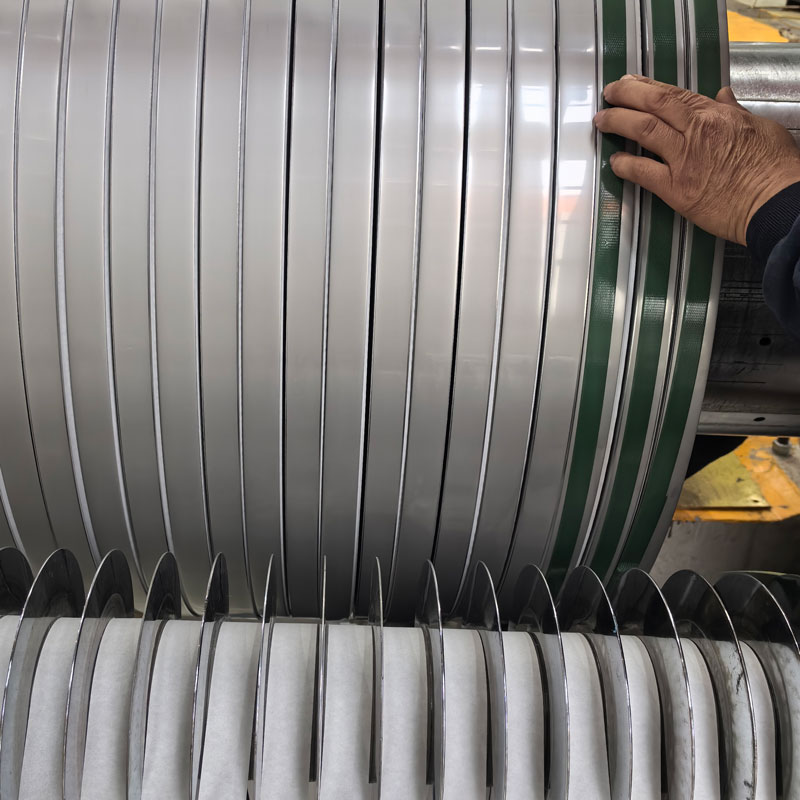
    Delivery form Coil, narrow slit strip, oscillate-wound spool, cut sheet
    Standards ASTM, AISI, GB, JIS, DIN, BS, EN
    Certification ISO 9001 quality system, SGS; RoHS documentation on request
    Minimum order 100 kg standard; 5 – 20 kg trial coil for press and bend qualification
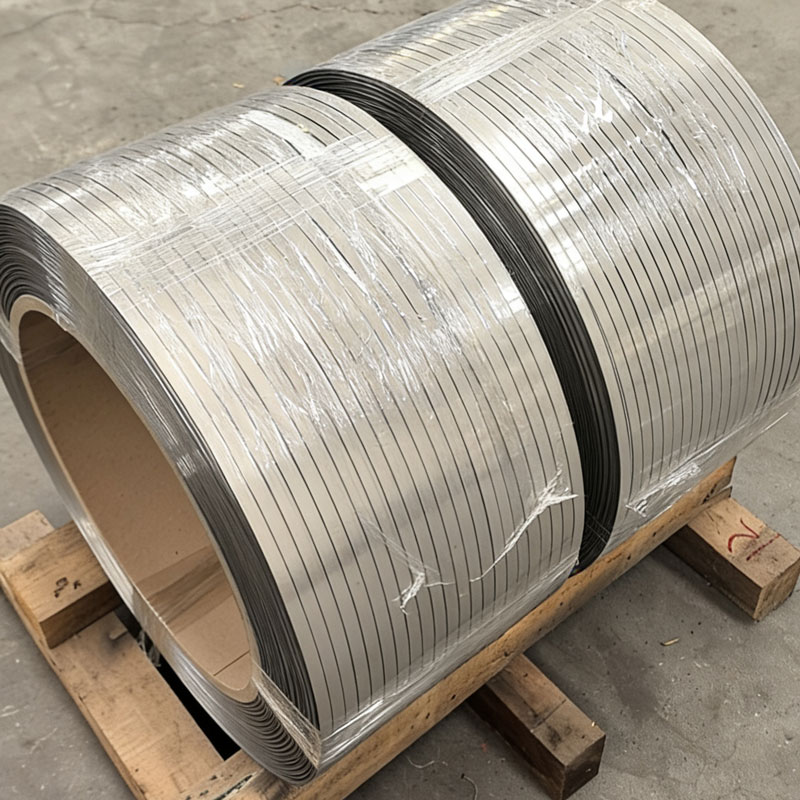
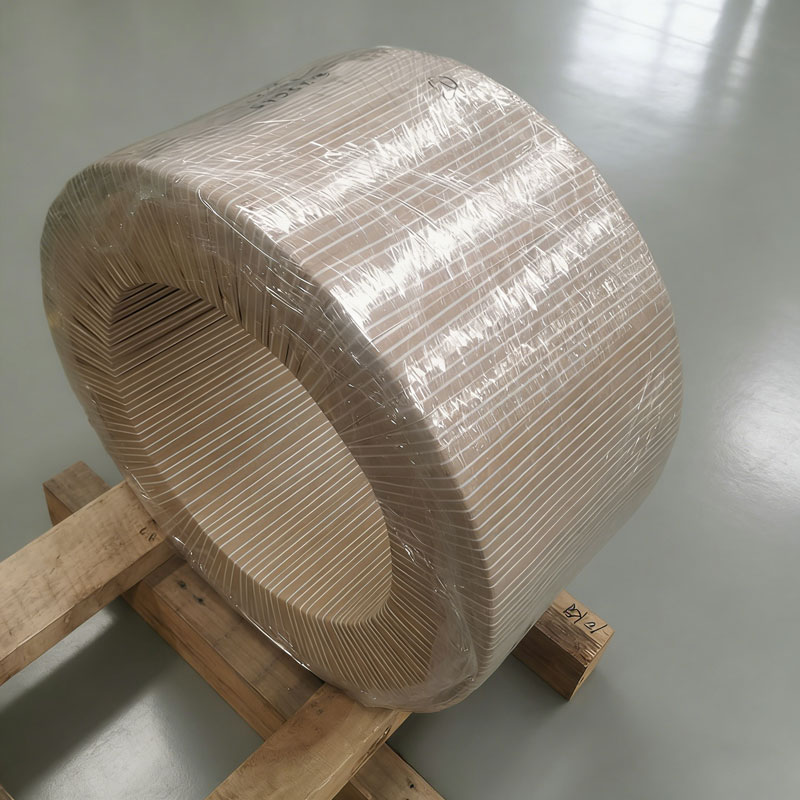
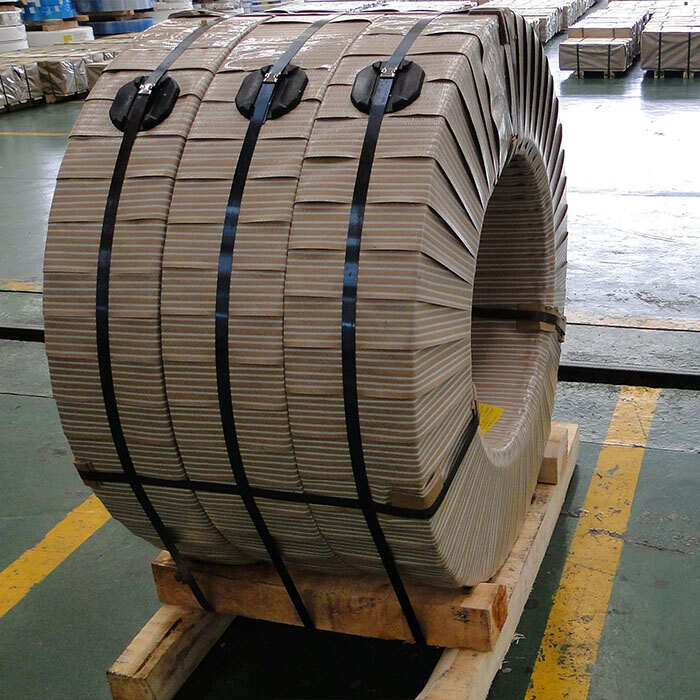
    Packaging Moisture-proof paper, anti-scratch film, steel strapping, fumigated wooden pallet; vacuum packing optional
    Two lines in this table carry most of the risk. Thickness tolerance tightens the rolling window, and hardness sits inside that window — so a very hard temper at very light gauge is quoted after a trial, not before it. Tell us the gauge, the temper target and the bend radius together and the answer comes back with a coil reference instead of a maybe.

    Written this way, Hard Temper Stainless Steel Foil arrives against numbers that can be checked on receipt: gauge by micrometer, hardness by indentation, flatness on a plate, camber on the slit coil.

    Bend Test First

    A certificate that says full hard tells you what the mill intended. A bend test tells you what the strip will do in your tool, and the two are not always the same sentence.

    1. Bend a sample 90° across the grain at the radius drawn on the part. Cracking on the outside fibre means the temper is too high for that radius, whatever the certificate says.
    2. Measure hardness at a light load — HV 0.1 or HV 0.2 on thin gauge. A heavy indenter reads through the foil into the anvil and returns a number that belongs to the test rig, not the metal.
    3. Check camber on the finished slit coil over a measured metre on a flat plate, because that is the condition the feeder sees.
    4. Cut a metre, lay it free and measure the curl. That is the coil set your decoiler has to straighten before the first stroke.
    5. Keep the pass schedule for repeat orders. A new schedule is a new material even at the same grade, gauge and temper name.
    6. Qualify on a trial coil of 5 – 20 kg run on the production tool at production speed, then release the balance.

    Inspection is not a formality on material this hard and this thin; it is the only way to know whether Hard Temper Stainless Steel Foil will survive the second station of your die. A sample coil and a bend report settle in a week what a bulk order settles in a claim.

    Where It Fails

    Hard temper foil fails in a small number of predictable ways, and all of them are cheaper to design out than to argue about afterwards.

    1. Forming beyond a shallow bend — the elongation that would let the outside fibre stretch has already been used up by rolling. A tight radius cracks rather than forming.
    2. Heat after forming — soldering, brazing, welding, powder-coat curing and lamination all anneal the material. Hardness does not come back, and a part that was qualified hard may arrive at the customer soft.
    3. Sheared or punched edge followed by a bend — shearing leaves micro-cracks in the cut zone, and the bend opens them into a fracture.
    4. Wet chloride under sustained load — high residual stress plus chloride is the classic stress-corrosion pair, and hard temper carries more residual stress than any other condition.
    5. Large dead-flat panels — thin hard stock oil-cans between supports. If the part must be optically flat, specify flatness and accept that temper may have to give.
    6. Deep drawn or three-dimensional parts — these belong in annealed stock, hardened afterwards if the application needs it.

    None of these are defects in the material. They are the boundary of the condition, and stating the boundary is part of selling it honestly — which is why every enquiry for Hard Temper Stainless Steel Foil starts with the forming step and the service environment, not with the price per kilogram.

    FAQ

    QIs hard temper the same as full hard?

    AIn trade use they are usually the same thing: the hardest condition the mill supplies without a further heat treatment. The words are not a standard, though, and one supplier's full hard can be another supplier's three-quarter hard. Treat the name as a shorthand and put a hardness band in HV, with the test load stated, on the purchase order. That converts a description into something a laboratory can accept or reject.

    QCan you guarantee a hardness value rather than a temper name?

    AYes, within a band agreed on the order. Hardness is measured on the finished coil and reported with the batch, and the band accounts for the normal spread across a coil and between coils. What cannot be guaranteed is a single number at every point on a very thin strip, because indentation on 0.01 mm material is sensitive to support, surface and load. A band with a stated method is the honest form of the promise.

    QDoes the hardness survive soldering or brazing?

    ANo. Any operation that heats the part above the tempering range relaxes the work hardening, and the material does not recover it on cooling. If the assembly needs a soldered or brazed joint, either design the spring function to survive in the softened zone, or form and harden the part by a route that puts the joint away from the elastic element. This is worth settling at drawing stage because it changes the material call, not just the process.

    QCan hard temper be slit to a narrow width without camber?

    AIt can be held to an agreed camber, and the limit depends on width, gauge, width-to-thickness ratio and how much stress the master coil was carrying. Camber is generated at slitting, so it is measured on the finished coil and quoted per part rather than promised in general. If your feeder is sensitive, tell us the acceptable camber and the length you run between setups; that is more useful than a target width alone.

    QWhy does the coil arrive with a set or a curl?

    ABecause hard thin material stores the curvature it was wound to. Winding tension, core diameter, coil weight and time in storage all contribute, and a coil that travelled by sea for six weeks will take more set than one used in the same month it was rolled. Specify a larger core or a shorter coil if your decoiler struggles, and store coils upright on a dry pallet rather than leaning against a wall.

    QIs 0.008 mm available in a hard temper?

    AAt 0.008 mm the gauge is achievable, and hardness is adjustable within what the grade and the pass schedule allow, but the combination of the thinnest gauge with the hardest temper is reviewed case by case. Very light stock at full hardness leaves almost no margin in the final pass, so the practical answer depends on grade, width and the flatness you need. Send the specification and a trial coil can be scheduled before any volume commitment.

    QCan I get a sample and a test report before ordering?

    AYes. Trial coils of roughly 5 to 20 kg are normal, supplied with thickness, hardness and flatness data for that coil and run on the same schedule as the production order. A 90° bend result at your radius can be included if the drawing is supplied with the enquiry. That package is usually enough to release a first production order without a second qualification round.

    Hot Tags: Hard Temper Stainless Steel Foil, Manufacturers, Suppliers, Wholesale, Factory, Customized, China, Cheap, Price
    Send Inquiry
    Contact Info
    For inquiries about our products or pricelist, please leave your email to us and we will be in touch within 24 hours.
    X
    We use cookies to offer you a better browsing experience, analyze site traffic and personalize content. By using this site, you agree to our use of cookies. Privacy Policy
    RejectAccept