Products
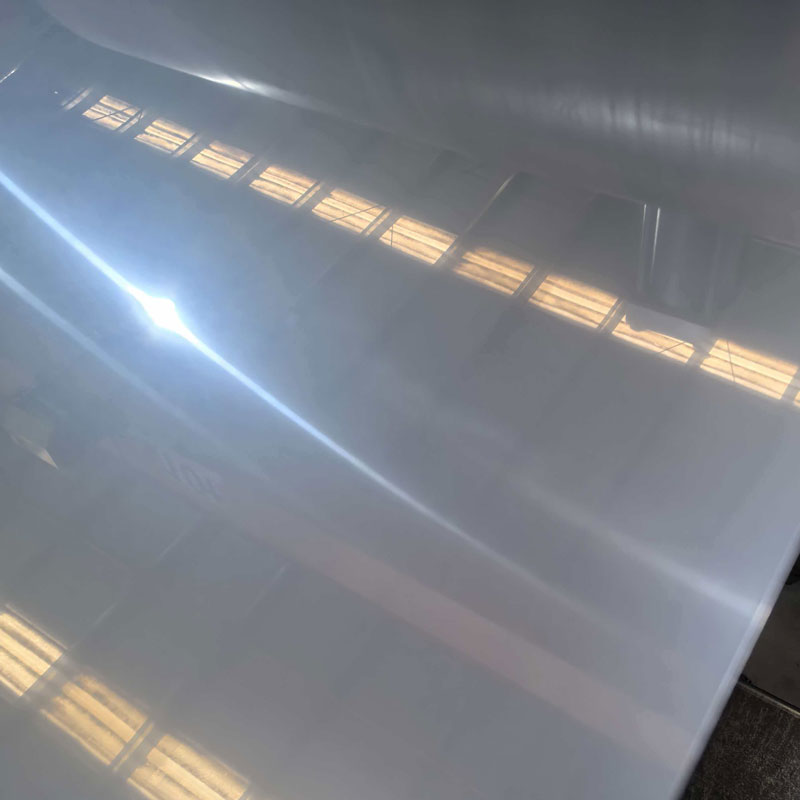
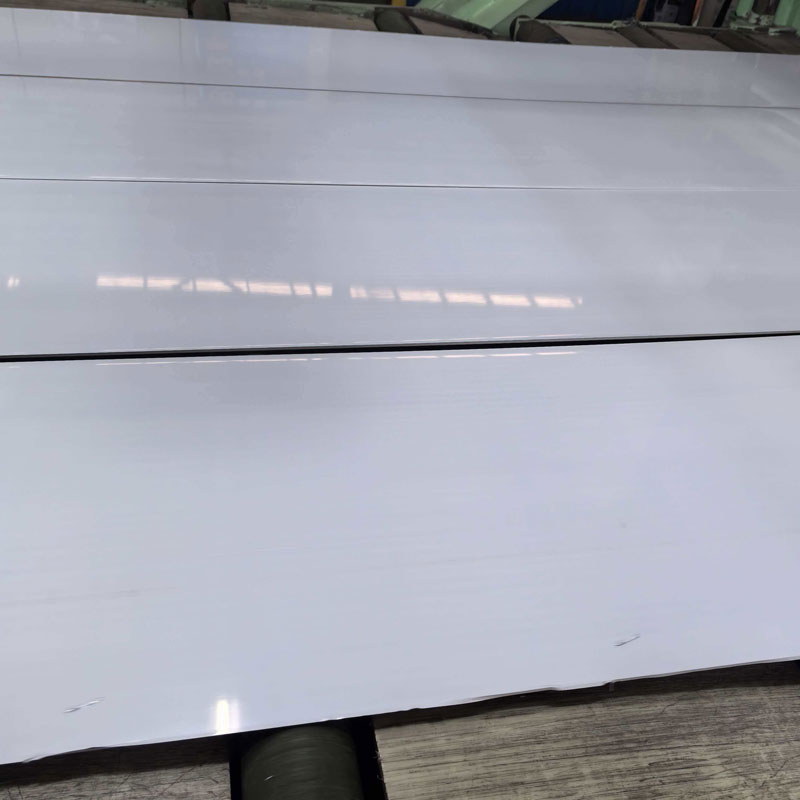
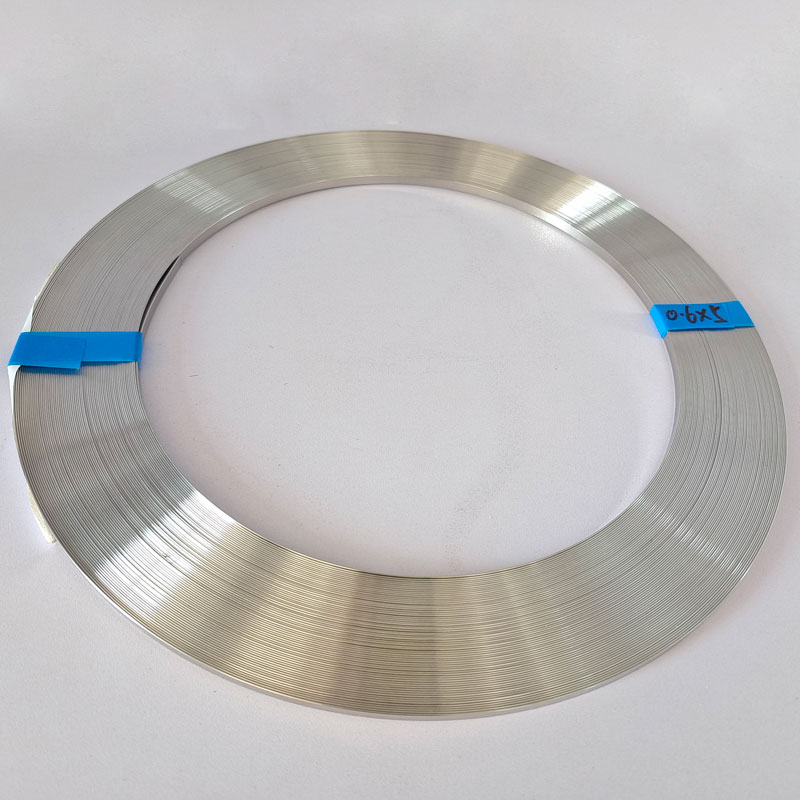
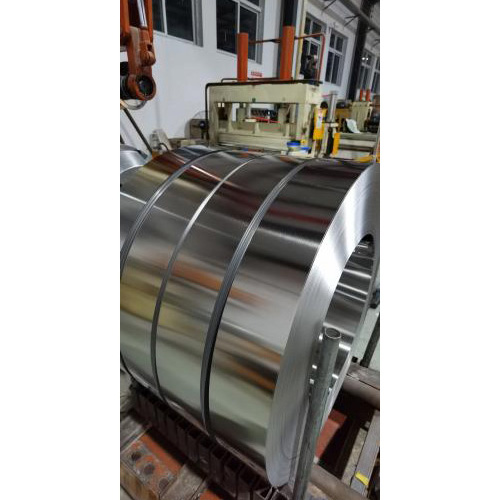
201 stainless steel spring strip
  • 201 stainless steel spring strip201 stainless steel spring strip
  • 201 stainless steel spring strip201 stainless steel spring strip
  • 201 stainless steel spring strip201 stainless steel spring strip
  • 201 stainless steel spring strip201 stainless steel spring strip
  • 201 stainless steel spring strip201 stainless steel spring strip
  • 201 stainless steel spring strip201 stainless steel spring strip

201 stainless steel spring strip

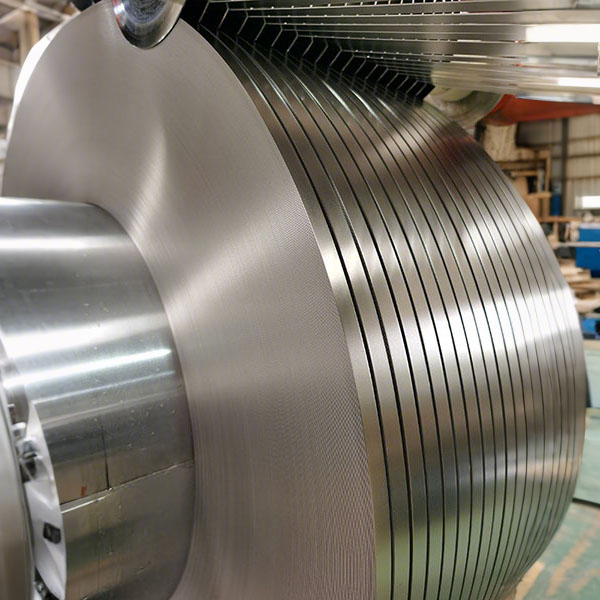
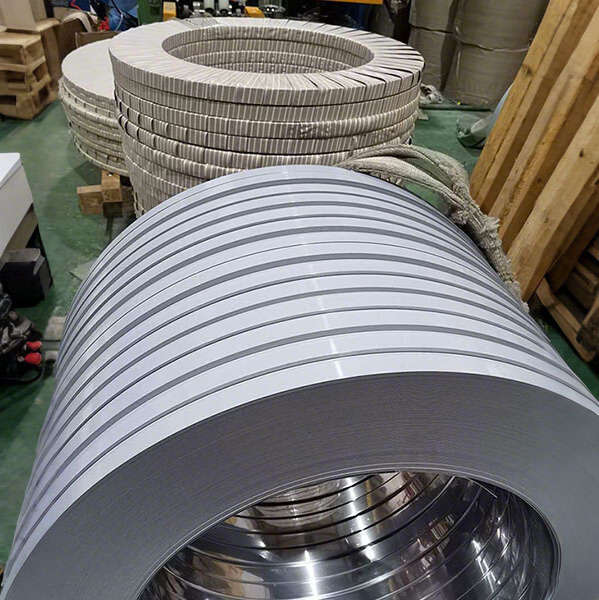
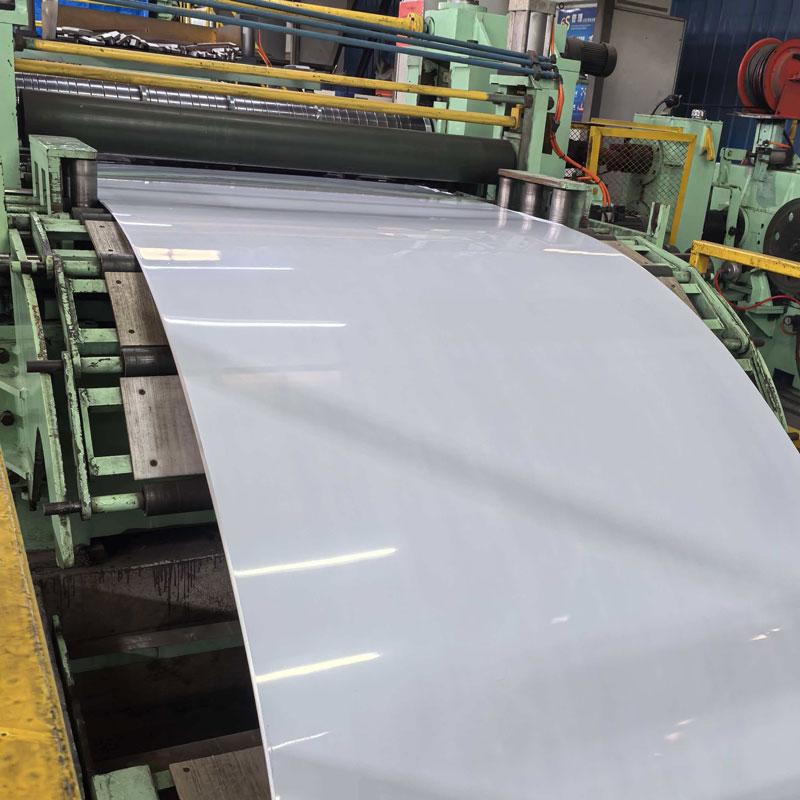
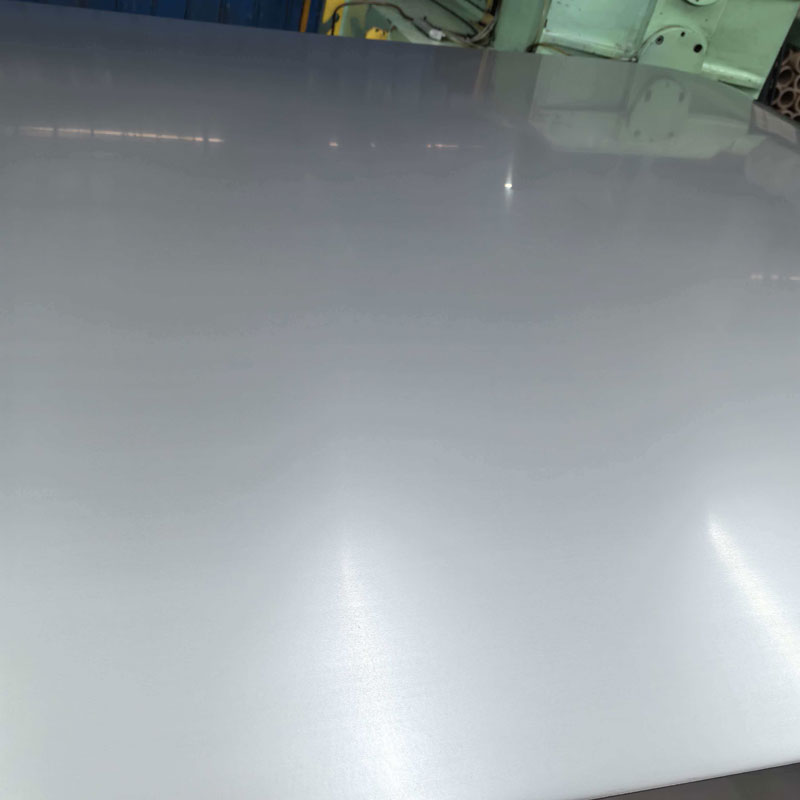
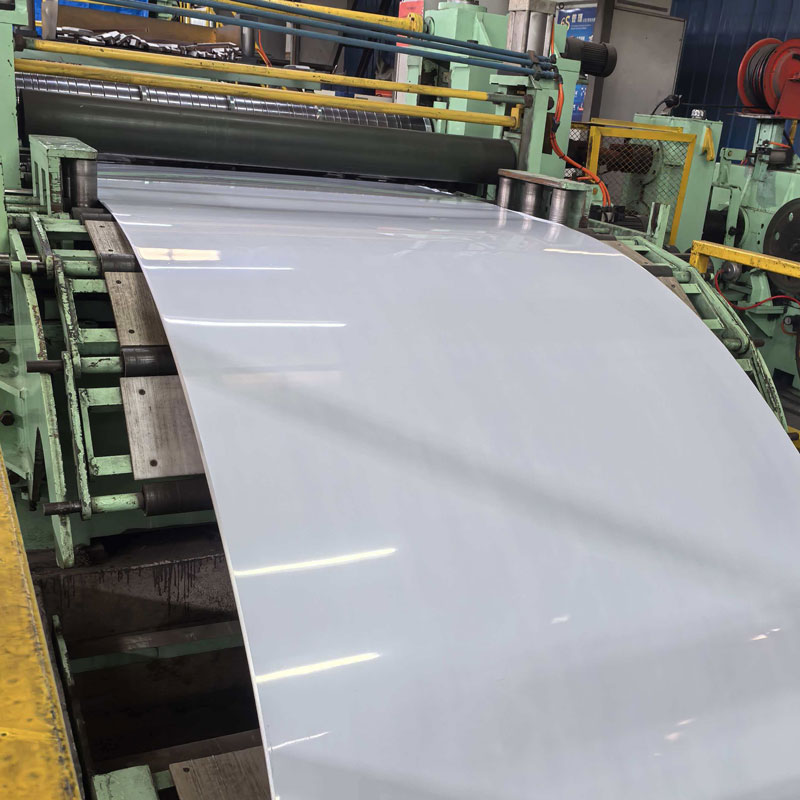
201 stainless steel spring strip from Qihong covers 0.05-3.0 mm thickness and 5-1250 mm slit width in 1/4H to H temper for clamps, clips and terminals. The Ningbo manufacturer rolls and slits in house, with hardness and camber on every test certificate.

Most 201 spring parts are lost on the commercial side before metallurgy is ever discussed: the coil was bought to a grade name instead of a temper, and the press found out. 201 stainless steel spring strip from Qihong is cold rolled and temper rolled in Ningbo, China, then supplied from 0.05 mm to 3.0 mm thick, slit from 5 mm to 1250 mm, in 1/4H through H, with hardness, thickness and camber recorded on the certificate rather than assumed from the stamp on the box.

Grade 201 / UNS S20100 / 1.4372 Temper 1/4H, 1/2H, 3/4H, H
Thickness 0.05 – 3.0 mm Width 5 – 1250 mm, slit
Edge Burr-free, deburred or rounded Trial coil 5 – 20 kg

Cost Without Guesswork

201 exists to take nickel out of the price. It holds 3.5–5.5% nickel against 8.0–10.5% in 304, and manganese plus nitrogen carry the austenitic structure instead. On a stamped part made in millions, that gap is the whole business case — but it is a case that only closes while the part stays dry and the tool stays stable.

  1. High-volume clips, brackets and retainers that end up painted, plated or buried inside an assembly where nobody sees the surface.
  2. Dry indoor hardware: zipper parts, hinges, nameplates, latch springs and roller-shutter mechanisms.
  3. Band and hose clamps that meet splash and condensation rather than standing water or salt.
  4. Cost-down projects where an existing 304 part already has field history, so the substitution can be judged against known behaviour instead of a datasheet.
Property 201 301 304
Nominal nickel 3.5 – 5.5% 6.0 – 8.0% 8.0 – 10.5%
Relative strip price Lowest Highest Middle
Dry indoor service Good Good Good
Humid or chloride service Poor Fair Good
Fatigue at high cycles Fair Best Good
Magnetic after hard rolling Yes Yes Slight
Food contact Not recommended Conditional Suitable
Composition ranges above are the nominal ones for each grade; the actual heat analysis is what governs behaviour, and it is printed on the mill certificate. Ask for it before you approve a substitution, not after the first reject lot.

A substitution is only worth what the trial behind it is worth. Run the trial coil on the production tool at production speed, because a lab press will happily form a temper that a real die set will crack at the burr. That is where 201 stainless steel spring strip either pays for itself or quietly costs more than the grade it replaced.


Temper, Not Grade

Two coils both correctly described as 201 can arrive at different hardness, different spring-back and different formability. Grade fixes the chemistry; temper fixes the strength, and only the temper decides whether the part returns to shape after a million cycles.

  1. 1/4H — light reduction, still formable. Used where the part is punched and then bent, or where a flange has to be closed after assembly.
  2. 1/2H — the general spring condition for clips, contacts and retaining parts with moderate deflection and a normal bend radius.
  3. 3/4H — higher load at smaller travel. Bend radii tighten, tool wear rises, and edge quality starts to matter more than surface finish.
  4. H — full hard for flat springs, washers and short-travel parts. Formability is close to nil beyond a shallow bend, so the part shape has to be finished before the material is hardened, or designed flat from the start.
  5. Annealed — the correct starting point for anything deep drawn or heavily formed, hardened afterwards by the customer's own process rather than by the mill.
201 work-hardens faster than 304, so a given temper is reached with less cold reduction and leaves less ductility in reserve. The practical consequence is simple: a bend that 304 survives at the same temper may crack in 201, and the fix is a softer temper or a larger radius, not a thicker strip.

Write the temper as a measurable target — hardness in HV with the test load stated, or a tensile band — and ask for the measured result per coil. That one line on the purchase order is what turns 201 stainless steel spring strip from a grade you hope is right into a material you can inspect.

Specifications

The ranges below are the normal production window for this grade. Anything outside them is quoted individually rather than promised from a table.

Item Specification
Grade 201 (UNS S20100, EN 1.4372, JIS SUS201, GB 1Cr17Mn6Ni5N)
Temper 1/4H, 1/2H, 3/4H, H; annealed material also supplied for forming
Thickness 0.05 – 3.0 mm
Width 5 – 1250 mm slit to order; wider 201 stock is scarce, confirm before designing
Thickness tolerance ±0.001 mm on light-gauge precision strip, band agreed per gauge on the order
Camber Controlled on the slitting line and reported per coil
Edge Burr-free slit as standard; deburred or rounded on request
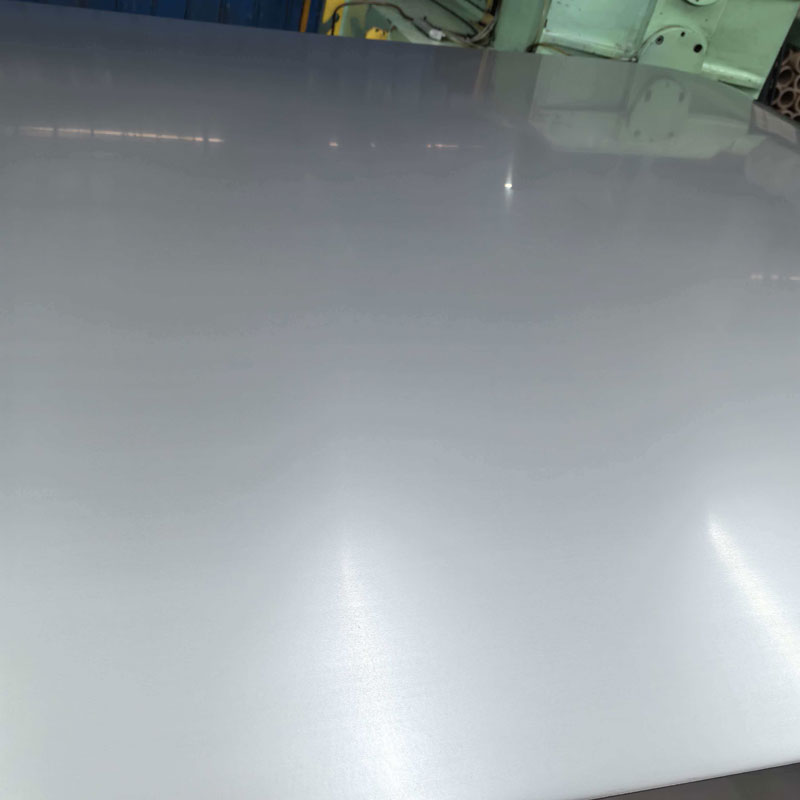
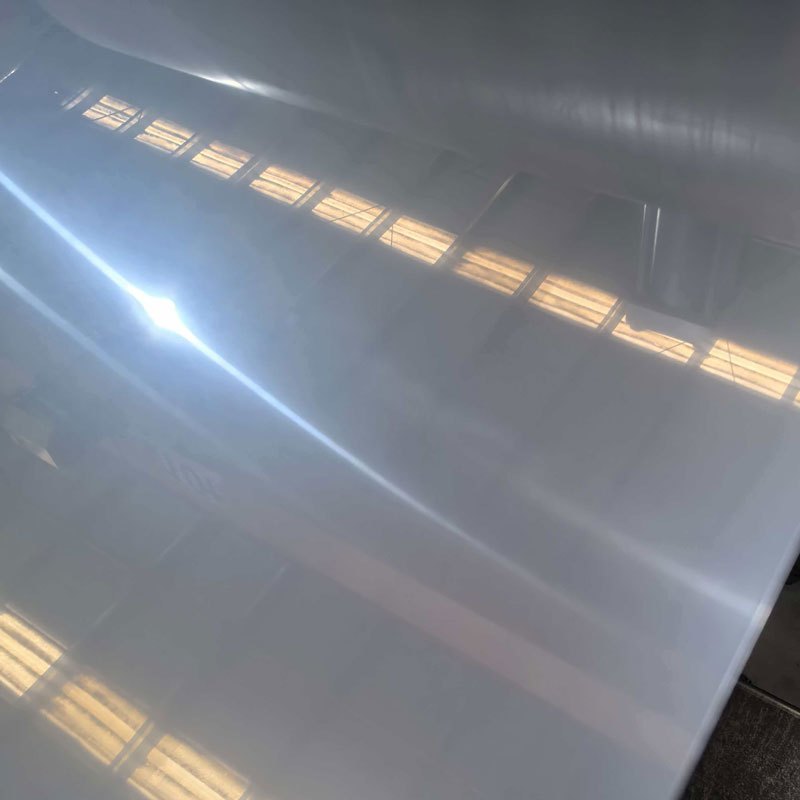
Surface 2B, BA, brushed; oiled or dry as specified
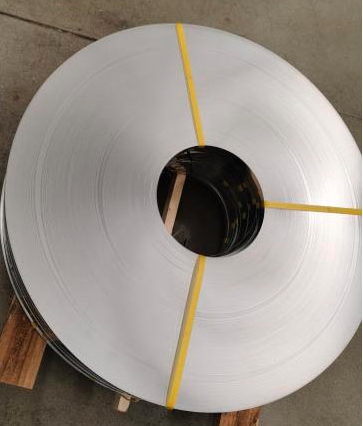
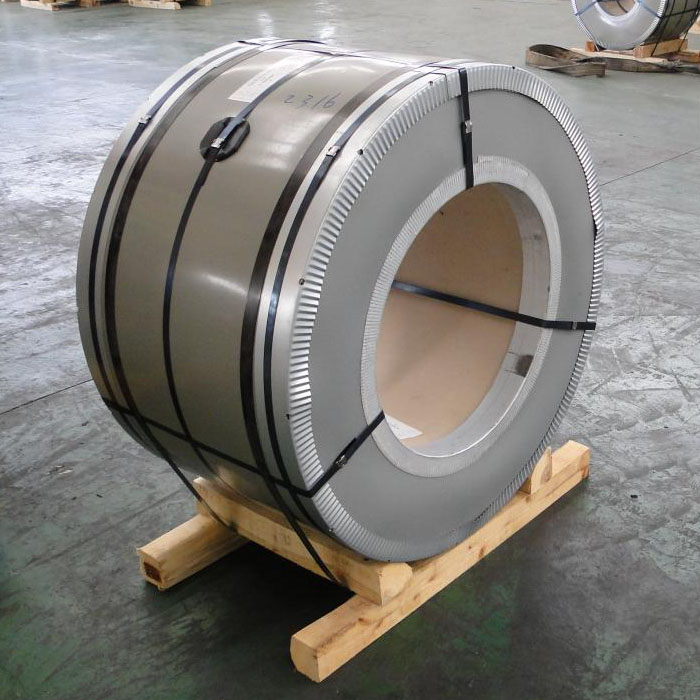
Delivery form Coil, narrow slit strip, oscillate-wound spool, cut length
Standards ASTM, AISI, GB, JIS, DIN, BS, EN
Certification ISO 9001 quality system, SGS; RoHS documentation on request
Minimum order 100 kg standard; 5 – 20 kg trial coil for press qualification
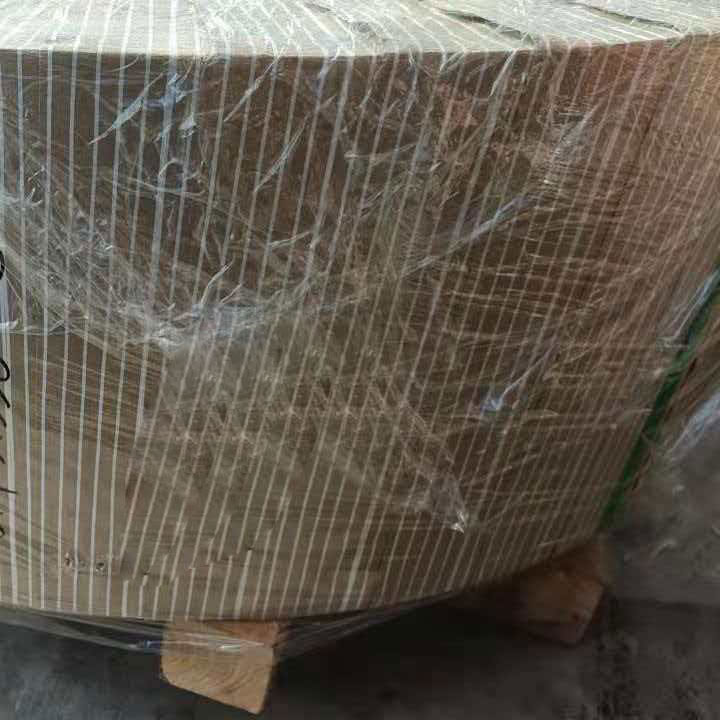
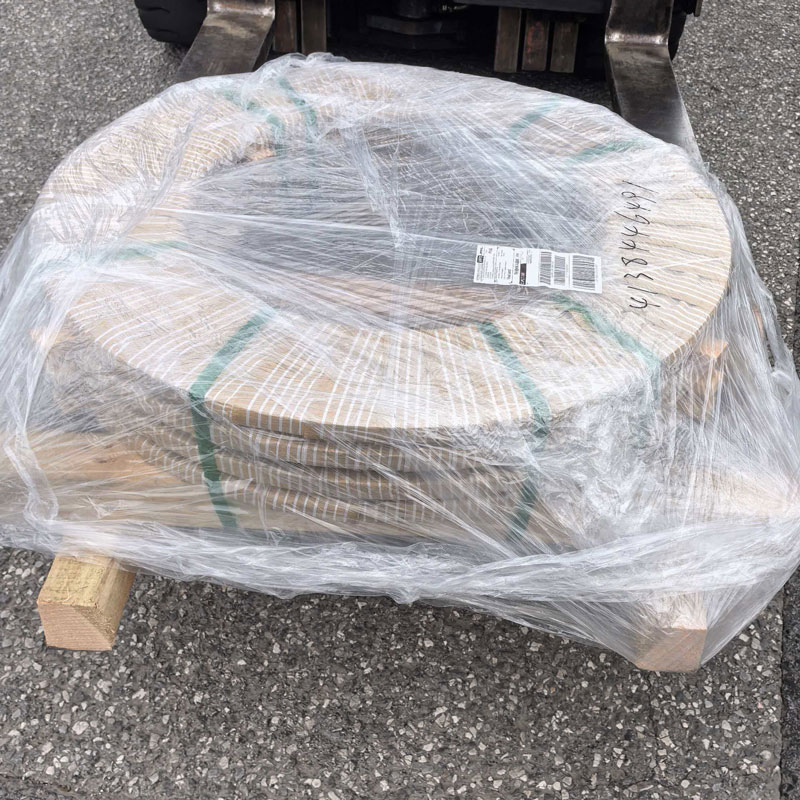
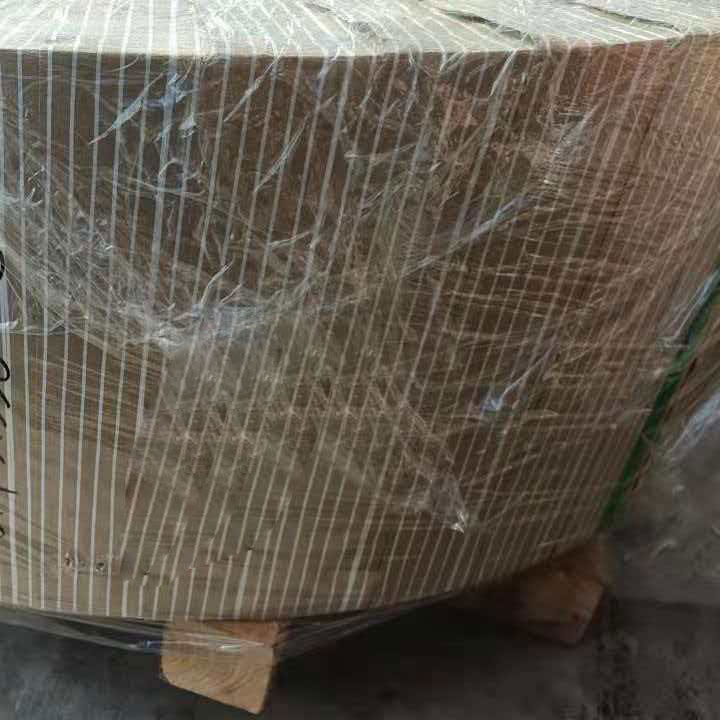
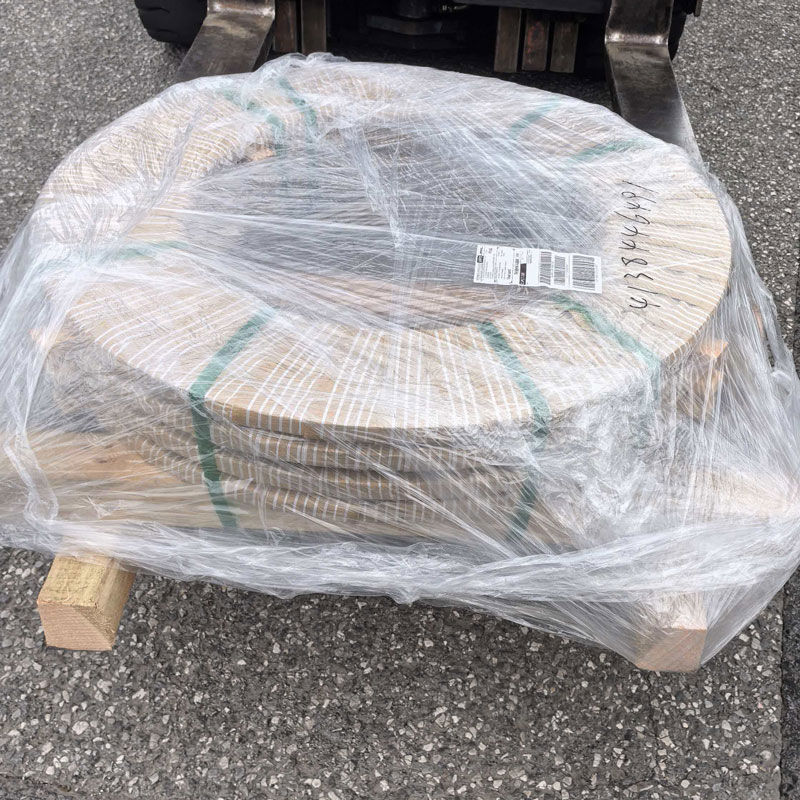
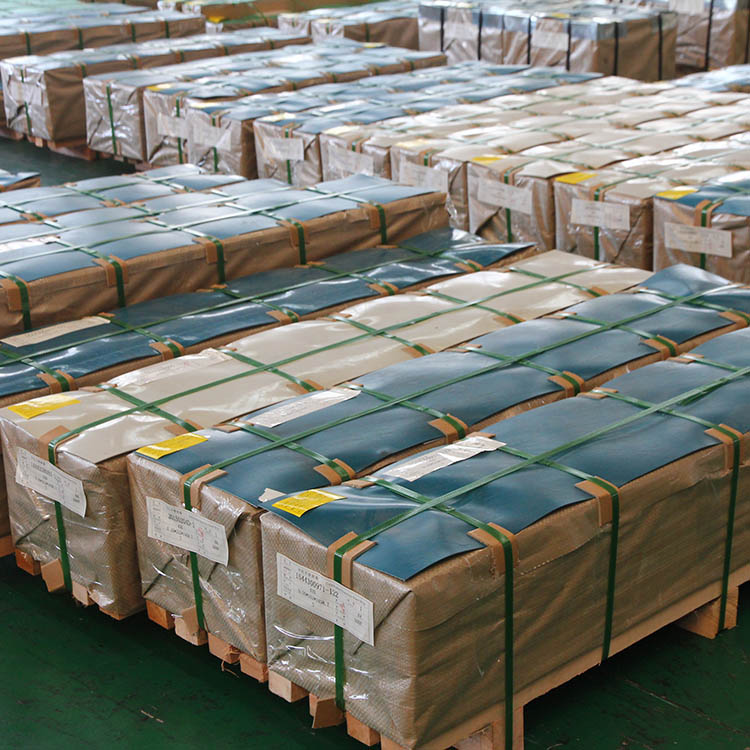
Packaging Moisture-proof paper, anti-scratch interleaving, steel strapping, fumigated wooden pallet
Width is the item buyers most often assume and later regret. Much of the 201 in circulation is rolled at around 450 mm and then slit down, so a blank wider than that can mean waiting for a mill that rolls wider — or redesigning the part. Tell us the finished blank width at enquiry stage and the answer comes back with the coil, not after the tool is cut.

Thickness, camber and edge condition are the three numbers that decide whether a narrow coil feeds cleanly through a high-speed press, and all three are recorded for 201 stainless steel spring strip before the coil is packed rather than sampled after a complaint.

Where 201 Stops

The failures that reach a warranty desk are almost never spring failures. They are environment failures, and they are predictable enough to design out at the enquiry stage.

  1. Food contact and catering equipment — 201 is not a food-grade material in practice; the manganese level rules it out of most food-contact specifications. Use 304 there.
  2. Wet chloride, coastal air, marine fittings — pitting starts early and the elastic part usually pits at the edge first. Move to 316L before strength is discussed.
  3. Welded assemblies that stay wet — the weld and heat-affected zone lose corrosion resistance, and the joint becomes the failure point rather than the spring.
  4. Deep drawing in a hard temper — a heavily formed part in 3/4H or H will crack at the draw radius. Start annealed and harden afterwards, or change grade.
  5. Sustained tensile load in a damp environment — residual stress plus moisture plus chloride is the combination behind delayed cracking in lean-nickel austenitic strip.
  6. Very high cycle counts at high stress — millions of cycles near the material limit is 301 territory, not 201.

None of these are defects. They are the boundary of the grade, and a supplier who does not state the boundary is selling you a future claim. Knowing exactly where 201 stainless steel spring strip stops is what makes the cost saving defensible to your own engineering team.

Bend Direction

How a strip is bent matters as much as what it is made of. Rolling leaves the grain running along the coil, and a bend line parallel to that grain puts the outer fibre of the bend straight along the weakest plane in the material.

  1. Bend across the grain — keep the bend line perpendicular to the rolling direction wherever the part design allows it. This is the single biggest lever on cracking, and it costs nothing.
  2. Start from a radius of about one thickness at 1/2H, and two to three thicknesses at H, then confirm on your own tool. These are shop-floor starting points, not guarantees, because edge quality and burr height move the limit.
  3. Put the burr on the inside of the bend. A burr on the outside is a row of stress risers exactly where the material is being stretched.
  4. Deburr or round the slit edge before forming narrow parts. A square slit edge with a visible burr will crack before the parent metal does.
  5. Overbend for spring-back and compensate in the tool. 201 springs back further than 304 at the same temper, so a die proven on 304 will produce an under-formed part on 201.
  6. Keep the punch and die radius generous relative to gauge. A sharp internal corner concentrates strain, and no temper survives that for long.

Send the drawing with the bend radius and the grain direction marked, and the temper can be chosen against the forming route instead of guessed from the grade. That is how 201 stainless steel spring strip gets specified for the press it will actually run on.

Coil to Part

Material that arrives in the wrong width or with the wrong edge costs more in scrap than it saved on price, so slitting and edge work stay in house instead of being handed to a third party between the mill and your door.

  1. Precision slitting from 5 mm upward, with width and camber checked on the line rather than on a sample.
  2. Edge finish chosen to suit the feed system: square slit, deburred, or rounded for tooling that is sensitive to edge contact.
  3. Oscillate winding for long continuous lengths, so a press can run for days without a coil change.
  4. Cut-to-length supply for shops without a decoiler, sheared to the blank size agreed on the order.
  5. Interleaved and moisture-proof packing for ocean transit, with the coil weight set to what your decoiler can actually carry.
  6. Trial coils of 5 – 20 kg run on the same rolling and slitting schedule as the production order, so the trial predicts the bulk rather than flattering it.

Rolling, annealing, slitting and inspection sit in one plant in Ningbo High-Tech Zone, which is why the width, temper and edge of the 201 stainless steel spring strip on your floor match the order confirmation — and why a change is re-quoted instead of quietly substituted.

FAQ

QCan 201 replace 301 in a spring part?

ASometimes, and the deciding factors are duty and environment rather than strength alone. If the part lives dry, sees moderate deflection and is not cycled near the material limit, 201 at the same temper will usually do the job at a lower strip cost. If it is a high-cycle spring, works in humid or chloride air, or is expected to hold load for years under stress, 301 is the safer choice and the price difference is small next to a field failure. Send the drawing, the cycle count and the service environment; we will tell you which side of that line it falls on rather than simply quoting the cheaper coil.

QHow should the temper be written on a purchase order?

AWrite the temper together with the measurement method, for example a hardness band in HV at a stated test load, or a tensile range. A bare "full hard" is a mill convention, not a specification, and two suppliers can legitimately deliver different hardness under the same words. Add thickness, width, edge condition, thickness tolerance and coil weight while you are at it — those six lines remove most of the disputes that otherwise surface after delivery.

QIs the strip magnetic?

AIn the annealed condition it is weakly magnetic at most; after cold rolling to a spring temper it becomes clearly magnetic, because the deformation converts part of the austenite to martensite. This matters for sensors, reed switches, magnetic chucks and any assembly where the part must not attract swarf. If low permeability is a requirement, say so at enquiry stage: the answer is a different grade or a different temper, not a coating.

QWhy do two coils of the same grade press differently?

ABecause much of the 201 traded in Asia is made to mill or enterprise standards rather than a single international composition, and nickel and copper levels move between heats. A coil with less nickel and a little copper can form quite differently from a leaner one at the same stated temper. The control is documentary: require the heat number and the actual chemical analysis on the certificate, keep coils from one heat together on one job, and qualify a new heat on a short run before releasing it to a long one.

QWill it rust outdoors?

AIn clean rural air, usually not for a long time. Near the coast, in industrial atmospheres, or anywhere the part stays wet and never dries out, tea-staining and then pitting appear far sooner than they would on 304. 201 is a dry-service grade by design, and no passivation treatment changes that. For an outdoor part, either move to 304 or 316L, or design the assembly so water drains and the strip is not trapped against a wet surface.

QCan you hold thickness and camber on a narrow slit coil?

AYes, within the gauge-dependent band stated on the order, and both are measured on the finished slit coil rather than on the master coil before slitting — slitting is where camber is created. On very narrow widths the achievable camber depends on the width-to-thickness ratio and on edge quality, so it is agreed per part instead of promised in general. If camber is critical to your feed, tell us the acceptable value and the coil length you run per setup.

QWhat is the smallest order you will run?

AA trial coil of roughly 5 to 20 kg is normal for press qualification, against a standard minimum of about 100 kg. The trial is rolled and slit on the same schedule as the production order, which is the only way the result predicts bulk behaviour. Tell us the blank width and the temper you want to test, and the trial can be slit to the production width so it runs on the real tool.


Send Inquiry
Contact Info
For inquiries about our products or pricelist, please leave your email to us and we will be in touch within 24 hours.
X
We use cookies to offer you a better browsing experience, analyze site traffic and personalize content. By using this site, you agree to our use of cookies. Privacy Policy
RejectAccept