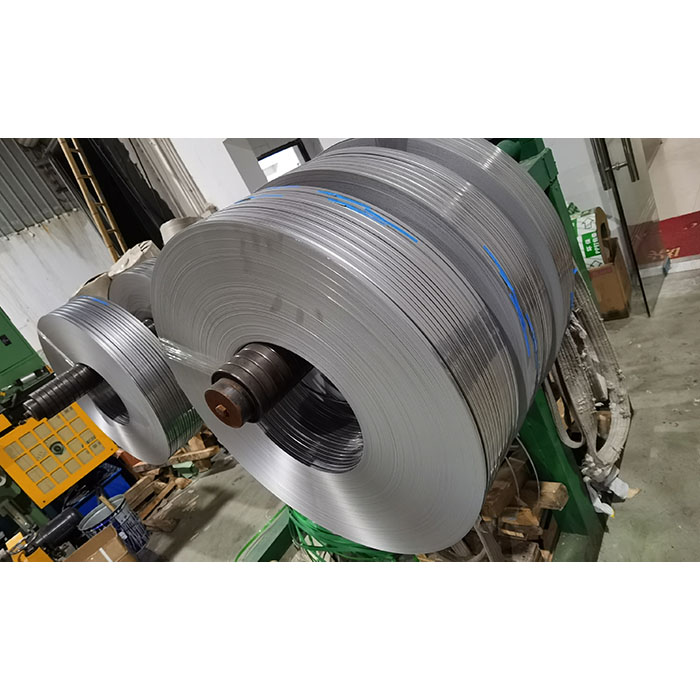
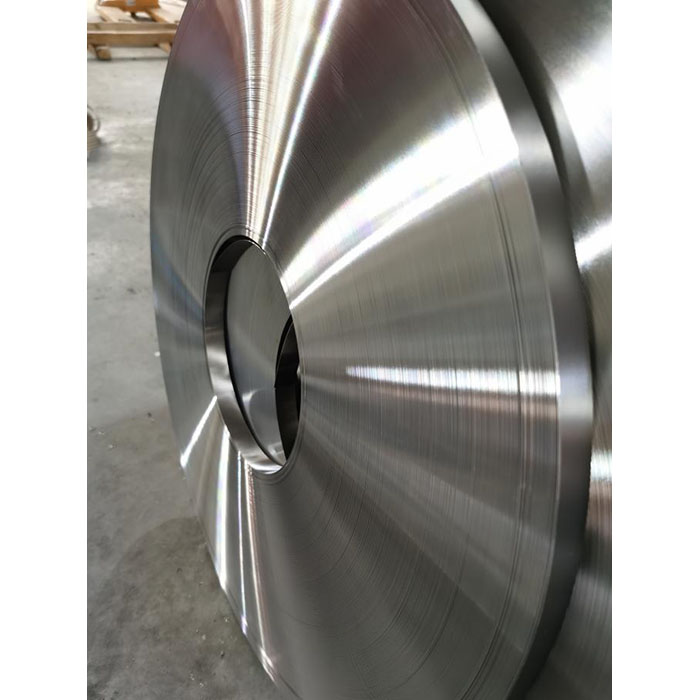
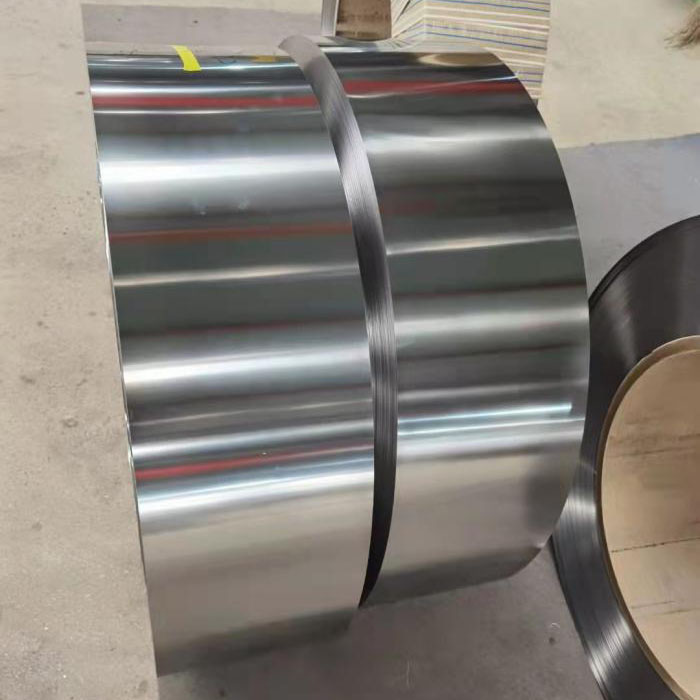
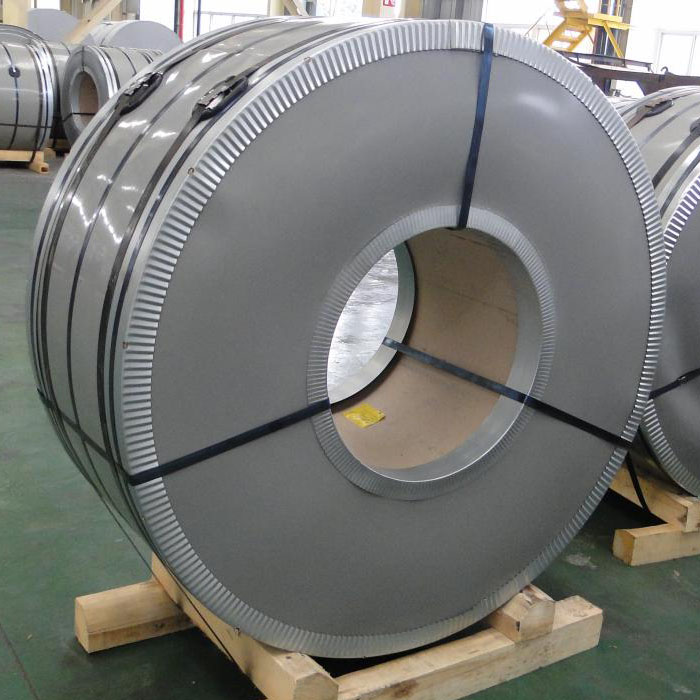
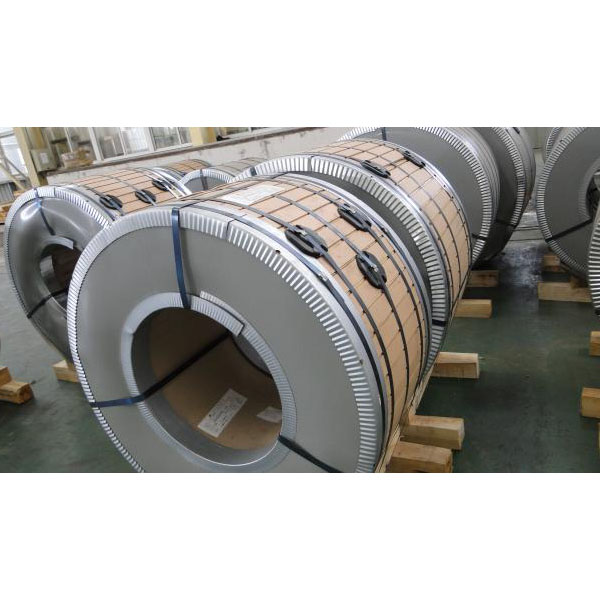
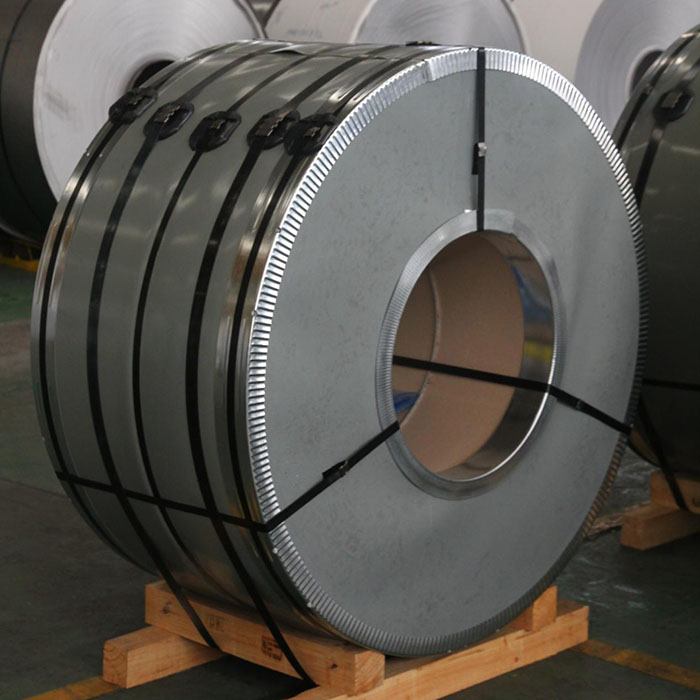
when processing 316 stainless steel strips, you need to pay attention to cutting methods, welding methods, surface treatment, safe operation and keeping clean, so as to ensure the quality and performance of the final product.
To distinguish the quality of 304 stainless steel coils, you can consider the following aspects:
Material certification: Make sure that the 304 stainless steel coil you purchase has relevant material certification. Common certification standards include ASTM (American Society for Testing and Materials) standards and JIS (Japanese Industrial Standards) standards.
Precision stainless steel coils are an important metal material commonly used in the manufacturing of high-precision and high demand products such as electronic products, medical equipment, aerospace components, etc.
Stainless Steel Coil is a coiled stainless steel product that is usually supplied in roll form. Its role depends on the specific application, but here are some common uses for Stainless Steel Coil:
304L stainless steel coil is improved on the basis of 304 stainless steel by reducing the carbon content, which makes it more suitable to avoid carbide precipitation around the weld during the welding process, thus improving the welding performance.
202 stainless steel coil contains up to 17% chromium, giving it excellent corrosion resistance. It can resist the corrosion of most chemical media, such as acids, alkalis, etc., and has good stability especially for common acidic solutions such as organic acids and hydrochloric acid.
We use cookies to offer you a better browsing experience, analyze site traffic and personalize content. By using this site, you agree to our use of cookies.
Privacy Policy