News

Industry News

How to distinguish 304 and 201 stainless steel sheets?30 2024-05

How to distinguish 304 and 201 stainless steel sheets?

To distinguish 304 and 201 stainless steel sheets, there are several ways to do it: Observe the appearance: 304 stainless steel usually has a higher gloss and surface flatness, while the surface of 201 stainless steel is relatively dark and has a lower gloss. The stainless steel sheets of the two materials can be compared together to observe the difference in their appearance.
Introduction of Stainless Steel Strip28 2024-05

Introduction of Stainless Steel Strip

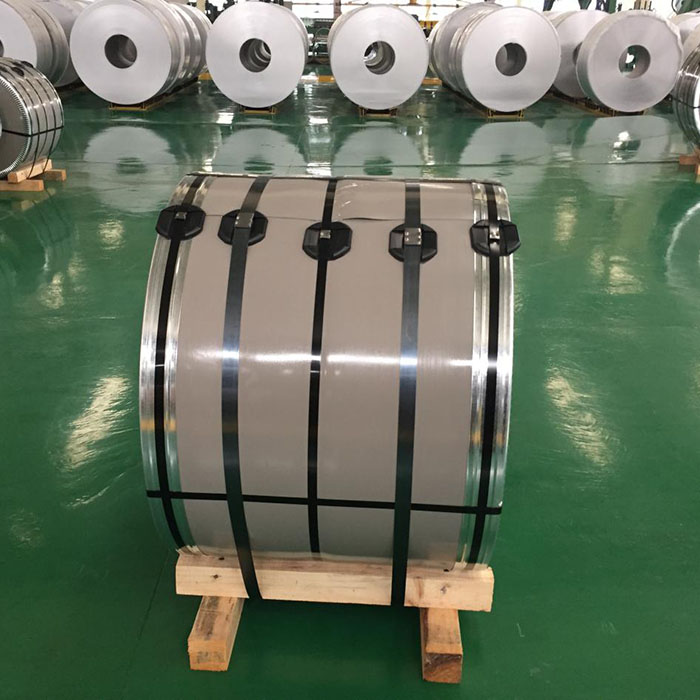
Stainless Steel Strip is an important metal material. It has been widely used in many fields due to its unique corrosion resistance, strength and aesthetics.
Problems that often occur during the cutting process of stainless steel strips24 2024-05

Problems that often occur during the cutting process of stainless steel strips

There are some common problems that can arise during the stainless steel strip cutting process, here are some of the possibilities: Uneven cutting or burrs: When cutting stainless steel strips, if the tool is not sharp or the cutting speed is too fast, it may cause uneven cutting or burrs. This can be caused by tool wear, incorrect cutting parameters, or vibration during cutting.
What are the surface treatment methods of 304 stainless steel sheet?21 2024-05

What are the surface treatment methods of 304 stainless steel sheet?

Common surface treatments for 304 stainless steel sheets include: 2B surface: Cold-rolled surface treatment, with bright surface effect, often used in situations with low general requirements.
Things to note when rewinding stainless steel coils16 2024-05

Things to note when rewinding stainless steel coils

Stainless steel coil is a common metal material often used to make pipes, containers, kitchen utensils, etc. The following are some precautions for rolling stainless steel coils: Use appropriate equipment: Use appropriate coiling equipment such as a coiler or coiler. These devices can effectively control winding speed and tension.
Why do stainless steel sheets bend and crack?14 2024-05

Why do stainless steel sheets bend and crack?

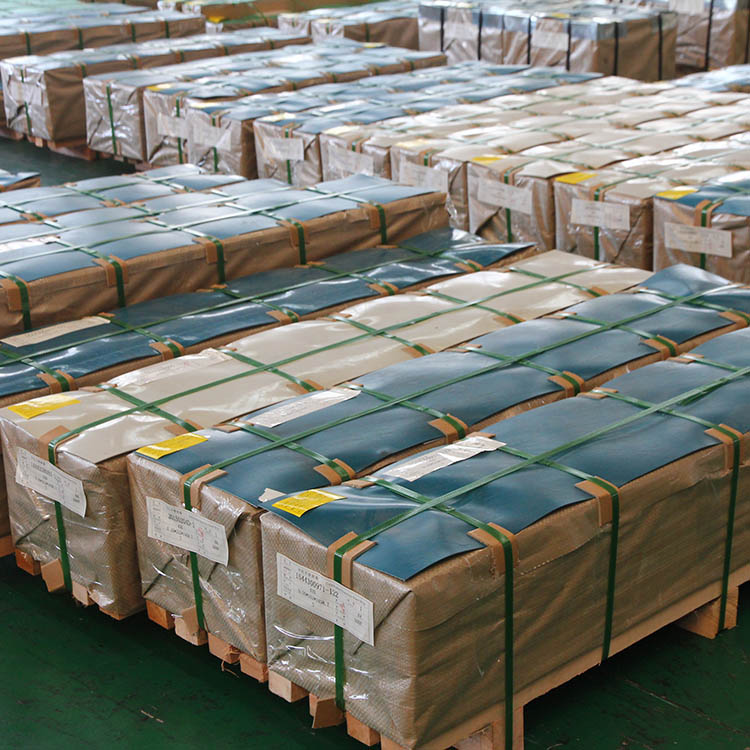
Stainless steel sheets may bend and crack during processing or use. The main reasons include: Material problem: If the material of the stainless steel sheet is uneven or contains inclusions, stress concentration will easily occur during the processing, leading to bending and cracking.
X
We use cookies to offer you a better browsing experience, analyze site traffic and personalize content. By using this site, you agree to our use of cookies. Privacy Policy
Reject Accept